Inbound Call Centre Services for Enhanced Customer Engagement

Customer engagement stands as a vital pillar for running a successful business, serving as the foundation for building lasting relationships with clients. In today’s fast-paced digital environment, it is crucial for companies to connect with their customers in real-time, providing personalised and effective solutions tailored to individual needs. This is where inbound call centre services play an essential role, acting as a crucial link to foster meaningful connections and facilitate positive customer experiences.

Understanding Inbound Call Center Services That Significantly Improve Customer Experience

Inbound call center services involve the management of incoming calls from customers requiring assistance, support, or information about a specific product or service. These services are often outsourced to specialised companies that have the necessary technology, infrastructure, and trained agents capable of managing customer interactions efficiently. Inbound call centres represent the frontline of customer engagement, functioning as the voice and face of the organisation, thereby significantly shaping customer perception and satisfaction.

Discover the Essential Features That Characterise Inbound Call Center Services

Diverse call center agents in training, using headsets, surrounded by manuals and flowcharts, enhancing customer satisfaction.
  1. Exceptional Customer Support: A fundamental aspect of inbound call centres is to deliver outstanding customer support. Whether customers have queries, concerns, or need assistance with a product or service, agents are thoroughly trained to provide swift and effective solutions.

Agents operating in inbound call centres undergo comprehensive training programmes designed to equip them with extensive product knowledge, excellent communication skills, and proficient problem-solving techniques. They learn the importance of active listening, empathy towards customers, and delivering accurate information or solutions. By swiftly addressing customer concerns, inbound call centres play a crucial role in significantly enhancing customer satisfaction levels through dedicated support.

Furthermore, the support provided in inbound call centres extends beyond simply answering questions. Agents are trained to offer tailored assistance, ensuring that customers feel valued and appreciated throughout their interaction. This personalised approach nurtures the development of long-lasting relationships and fosters customer loyalty, which is essential for businesses striving to excel in competitive markets.

  1. Comprehensive Technical Support: Inbound call centres frequently offer technical support for customers experiencing difficulties with products or services. Skilled technicians are adept at troubleshooting issues and guiding customers toward effective resolutions.

The provision of technical support within inbound call centres requires a deep understanding of the products or services offered. Agents receive extensive training on resolving common technical issues and have access to detailed knowledge bases to assist in providing precise solutions.

Utilising active listening skills, agents grasp the customer’s problem, ask pertinent questions to gather vital information, and offer step-by-step guidance for resolving issues. They ensure that customers fully understand the solutions provided and offer additional assistance as needed. This level of technical support is instrumental in efficiently resolving customer issues, thereby enhancing overall customer satisfaction.

  1. Efficient Order Processing: Inbound call centres are proficient in managing order processing tasks. From taking orders to providing updates on order statuses, agents ensure accuracy and timeliness in fulfilling customer requests.

Order processing within inbound call centres involves a systematic approach to guarantee seamless operations. Agents possess the expertise to accurately take orders, verify customer details, and process payments securely. They maintain meticulous records of customer orders and keep customers informed about their order statuses, including estimated delivery timelines.

This efficient order processing not only streamlines business operations but also meets customer expectations effectively. Customers appreciate the convenience of placing orders and receiving timely updates, ultimately leading to increased customer satisfaction and fostering repeat business.

  1. Streamlined Appointment Scheduling: Many businesses, particularly in the healthcare and service sectors, rely on inbound call centres to manage appointment scheduling. Agents handle appointment bookings, cancellations, and rescheduling with a focus on ensuring a seamless customer experience.

Appointment scheduling within inbound call centres requires exceptional organisational skills and keen attention to detail. Agents work closely with customers to identify suitable appointment slots that align with their individual preferences and availability. They also manage cancellations and rescheduling requests, ensuring that schedules are updated accurately and efficiently.

By effectively managing appointment scheduling, inbound call centres enhance operational efficiency for businesses. Customers benefit from the convenience of easily scheduling and modifying appointments, which leads to improved satisfaction and loyalty towards the business.

  1. Effective Complaint Resolution: Inbound call centres excel at resolving complaints by patiently listening to customer grievances, empathising with their concerns, and striving for satisfactory resolutions. This process is vital for ensuring customer retention and fostering loyalty.

Complaint resolution is a critical function of customer service within inbound call centres. Agents are trained to handle complaints with empathy and professionalism. They actively listen to customers, allowing them to express their concerns fully without interruption.

Agents take it upon themselves to understand the root cause of the complaint and take ownership of finding an effective resolution. This may involve investigating the issue, coordinating with relevant departments, and keeping the customer informed about the progress. By resolving complaints efficiently and in a timely manner, inbound call centres not only retain customers but also create opportunities to turn dissatisfied customers into loyal brand advocates.

  1. Comprehensive Product Information and Upselling: Inbound call centre services also encompass providing customers with thorough product information. Well-trained agents can effectively promote and upsell products or services, thereby increasing both revenue and customer satisfaction.

Providing accurate and detailed product information is essential for customer satisfaction and informed decision-making. Inbound call centre agents undergo intensive training to become knowledgeable about the features, benefits, and specifications of the products or services they represent.

Agents leverage this product expertise to respond to customer inquiries, address concerns, and provide personalised recommendations that align with customers’ needs. They highlight unique selling propositions, explain product functionalities, and offer comparisons to assist customers in making informed choices.

Moreover, proficient agents are trained in the art of upselling. They are skilled at recognising opportunities to recommend complementary products or services that resonate with customers’ needs and preferences. By effectively promoting and upselling, inbound call centre services contribute to increased revenue generation and enhanced customer loyalty.

Uncover the Significant Benefits of Inbound Call Center Services

Inbound call centre services offer numerous advantages for businesses aiming to refine their customer engagement strategies. Some of these benefits include:

  1. Enhanced Customer Satisfaction: By providing real-time assistance and personalised solutions, inbound call centres significantly elevate customer satisfaction levels. Customers feel valued and appreciated when their concerns are addressed promptly and effectively.

The prompt and efficient customer support provided by inbound call centres leads to heightened customer satisfaction. When customers receive timely assistance and customised solutions, they perceive the company as attentive and considerate. This positive experience strengthens their overall satisfaction and fortifies their connection with the brand.

  1. Strengthened Brand Image: Inbound call centres act as brand ambassadors, embodying the company’s values, mission, and commitment to customer satisfaction. Positive customer experiences foster a strong brand reputation and attract new customers.

Inbound call centres play a pivotal role in shaping a company’s brand image and reputation. Agents who deliver exemplary customer service and handle queries with professionalism contribute significantly to a positive brand perception.

When customers enjoy favourable interactions with inbound call centre agents, they are more likely to share their experiences, both online and offline. Such word-of-mouth marketing is invaluable for attracting new customers and maintaining a positive brand image in the competitive marketplace.

  1. Improved Operational Efficiency: Outsourcing inbound call centre services enables businesses to focus on their core competencies while entrusting customer interactions to specialists. This shift enhances overall operational efficiency and productivity.

By outsourcing inbound call centre services to expert companies, businesses can take advantage of trained professionals who specialise in customer interactions. This allows them to redirect their focus towards core competencies and strategic initiatives that drive growth.

Inbound call centres are equipped with advanced technology, infrastructure, and skilled agents, enabling them to manage customer interactions efficiently. This results in streamlined processes, optimised resource utilisation, and improved productivity across the organisation.

  1. Significant Cost Savings: Establishing an in-house call centre can be costly and time-consuming. Outsourcing inbound call centre services eliminates the need for extensive infrastructure, technology investments, and hiring additional staff, resulting in substantial cost savings for businesses.

Setting up an in-house call centre requires significant financial investments in infrastructure, technology, recruitment, and ongoing training. In contrast, outsourcing inbound call centre services alleviates these financial burdens.

By collaborating with an external service provider, businesses can leverage existing infrastructure and technology. They also benefit from the financial advantages associated with economies of scale. Outsourcing grants access to a pool of skilled agents without the extensive recruitment and training processes. This cost-effective approach allows businesses to optimise their budget allocations and achieve a higher return on investment.

  1. Round-the-Clock Availability: In the global marketplace, customers increasingly expect support at all hours. Inbound call centres provide 24/7 availability, ensuring that customers can reach out for assistance at any time, regardless of time zones or geographical constraints.

The global nature of contemporary business operations necessitates round-the-clock availability to cater to customers across various time zones. Inbound call centres offer 24/7 support, enabling businesses to address customer queries and concerns outside regular business hours.

By providing round-the-clock availability, businesses showcase their commitment to customer service. Customers appreciate the convenience of being able to seek assistance at any hour, which subsequently leads to increased customer satisfaction and loyalty towards the brand.

  1. Valuable Data Collection and Analysis: Inbound call centres generate a wealth of customer data that can be harnessed for valuable business insights. Analysing call patterns, customer feedback, and trends enables businesses to identify areas for improvement and make informed decisions.

Inbound call centres serve as a critical source of customer data that organizations can leverage for strategic decision-making. Each customer interaction presents an opportunity to gather valuable information, including preferences, pain points, and feedback on services.

By analysing call patterns, businesses can identify common issues and trends, allowing them to take proactive measures to address these matters, enhance products or services, and improve the overall customer experience. Data-driven insights derived from inbound call centres empower businesses to maintain a competitive edge and deliver a personalised customer experience that meets expectations.

Implement Effective Best Practices for Superior Inbound Call Center Services

To maximise the effectiveness of inbound call centre services, businesses should adopt the following best practices:

  1. Comprehensive Agent Training: Robust training programmes should be established for call centre agents, equipping them with extensive product knowledge, effective communication skills, and proficient problem-solving techniques. Continuous training and skill development are vital for maintaining high-quality customer interactions.

Ongoing training and skill enhancement initiatives are crucial for call centre agents to stay updated with product knowledge, industry trends, and customer service best practices. Regular training sessions refine their communication skills, problem-solving capabilities, and adaptability to evolving customer requirements.

By investing in agent training, businesses ensure that their frontline representatives possess the necessary skills to deliver exceptional customer experiences. This investment ultimately leads to improved customer satisfaction and loyalty towards the brand.

  1. Robust Quality Assurance: Regular monitoring and evaluation of call centre interactions ensure consistent adherence to service standards. Quality assurance programmes help identify areas for improvement and maintain a high level of customer satisfaction.

Quality assurance is instrumental in upholding service standards and ensuring consistent customer experiences. Inbound call centre interactions should undergo regular monitoring and evaluation to meet predefined service metrics and standards.

Quality assurance programmes consist of monitoring calls, reviewing recordings, and conducting performance evaluations. This process aids in identifying areas needing enhancement, providing constructive feedback to agents, and implementing necessary training or process optimisations. By maintaining high-quality interactions, businesses can consistently meet customer expectations and boost overall satisfaction levels.

  1. Integration of Advanced Technology: Inbound call centres should leverage advanced technologies, such as customer relationship management (CRM) systems, interactive voice response (IVR) systems, and call recording software. Integrating these tools streamlines processes, enhances agent productivity, and improves the overall customer experience.

The integration of technology is crucial for optimising call centre operations and delivering an enhanced customer experience. CRM systems allow agents to access customer information and history, facilitating personalised interactions and efficient issue resolution.

IVR systems can automate various processes, such as call routing and handling basic inquiries, thereby reducing wait times and improving the overall efficiency of customer interactions. Call recording software aids in monitoring and evaluating agent performance, identifying training needs, and resolving customer disputes.

By harnessing these advanced technologies, inbound call centres can streamline operations, boost agent productivity, and deliver a cohesive customer experience across various communication channels.

  1. Establishing a Continuous Feedback Loop: Actively encouraging customer feedback and seeking suggestions for improvement helps businesses identify pain points and implement necessary changes. Regular feedback loops contribute to a continuous cycle of enhancement and customer-centricity.

Customer feedback serves as a valuable asset for businesses to pinpoint areas requiring improvement and elevate the overall customer experience. Inbound call centres should consistently encourage customers to provide feedback after each interaction.

Feedback can be gathered through various channels, such as post-call surveys, email surveys, or social media engagement. Analysing customer feedback helps identify recurring issues, service delivery gaps, and opportunities for enhancement.

By implementing changes based on customer feedback, businesses demonstrate their commitment to customer-centricity and foster a culture of continuous improvement. This feedback loop ensures that customer needs are effectively met, promoting long-term relationships and customer loyalty.

  1. Offering Multichannel Support: In addition to phone calls, businesses should provide multichannel support through platforms like email, live chat, and social media. This flexibility allows customers to reach out through their preferred channel, enhancing convenience.

In today’s digital landscape, customers expect businesses to provide support through multiple channels. Beyond traditional phone calls, organisations should extend support via mediums such as email, live chat, and popular social media platforms.

Multichannel support allows customers the convenience of selecting their preferred communication channel. While some may favour the immediacy of live chat, others might opt for the formality of email. By offering multichannel support, businesses cater to diverse customer preferences and ensure a seamless customer experience that meets varying expectations.

  1. Regular Reporting and Analysis of Performance: Monitoring key performance indicators (KPIs) and analysing call centre data is essential for detecting trends, assessing agent performance, and making data-driven decisions. Regular reporting keeps businesses informed about customer service metrics and enhances operational efficiency.

Regular reporting and analysing call centre data yield valuable insights into the performance of inbound call centre operations. Key performance indicators (KPIs), such as average handling time, first call resolution rate, and customer satisfaction scores, should be closely monitored.

By analysing call centre data, businesses can uncover trends, patterns, and areas needing improvement. This process allows for evaluating agent performance, identifying training needs, and making informed decisions to enhance operational efficiency and customer satisfaction.

By diligently tracking customer service metrics through regular reporting and analysis, businesses can proactively address issues, optimise processes, and continually improve the overall performance of their inbound call centres.

1. What are inbound call center services?

Inbound call center services refer to the process of managing incoming calls from customers seeking assistance, support, or information. These services are typically outsourced to specialised companies equipped with the necessary technology, infrastructure, and skilled agents to handle customer interactions effectively, ensuring high-quality service delivery.

2. What are the key features of inbound call center services?

The key features of inbound call centre services include customer support, technical support, order processing, appointment scheduling, complaint resolution, and product information and upselling. These services aim to provide prompt and personalised solutions to customer queries, thereby enhancing overall customer satisfaction.

3. What are the benefits of inbound call center services?

Some benefits of inbound call centre services include improved customer satisfaction, enhanced brand image, increased efficiency, cost savings, 24/7 availability, and data collection and analysis. These services enable businesses to deliver real-time assistance, build a positive brand reputation, concentrate on core competencies, save costs, provide round-the-clock support, and gather valuable customer insights.

4. What are the best practices for inbound call center services?

The best practices for inbound call centre services include comprehensive agent training, quality assurance programmes, technology integration, a continuous feedback loop, multichannel support, and regular reporting and analysis. These practices ensure that agents are equipped with necessary skills, maintain service standards, leverage advanced technologies, gather customer feedback, offer support through multiple channels, and make data-driven decisions to enhance operational efficiency.

Originally posted 2024-07-03 14:15:49.

The post Inbound Call Centre Services: Leading Customer Engagement appeared first on Healthcare Marketing Service.

Bone Disorders and Their Influence on Hearing Loss

Last Updated on 09/11/2025 by Admin

Understanding the Links Between Bone Disorders and Hearing Health

What Are the Most Common Bone Disorders That Impact Hearing?

Bone disorders encompass a variety of conditions that can significantly jeopardise bone health, potentially resulting in profound issues with hearing. Among the most prevalent disorders are osteoporosis, which leads to fragile and weakened bones, and Paget’s disease, characterised by abnormal and excessive bone growth. Below is a thorough list of common bone disorders recognised for their auditory repercussions:

  • Osteoporosis
  • Paget’s Disease
  • Osteogenesis Imperfecta
  • Bone Metastases
  • Hyperparathyroidism
  • Bone Dysplasia
  • Fibrous Dysplasia
  • Rickets and Osteomalacia

These disorders can undermine the structural integrity of bones and their ability to transmit sound, illustrating the critical need to understand their implications for hearing health.

How Do Bone Disorders Impair Ear Function and Hearing?

Bone disorders can interfere with the delicate structures of the ear, leading to types of hearing loss known as conductive hearing loss. This condition arises when the bones responsible for transmitting sound vibrations fail to function correctly, often due to alterations in bone density or structural integrity. Key components of the ear that may be impacted by these disorders include:

  • The ossicles (malleus, incus, stapes)
  • The cochlea
  • The eustachian tube
  • The temporal bone

Each of these elements plays a vital role in the auditory process, and any impairment can result in significant hearing challenges, emphasising the importance of awareness and early intervention.

The Importance of Bone Density for Optimal Hearing Function

Bone density is crucial for facilitating effective sound transmission. As bone density diminishes, often due to disorders like osteoporosis, the efficiency of sound conduction can markedly decline. When bones lose density, their ability to vibrate and transmit sound waves decreases. Several factors influence bone density, including:

  • Age
  • Genetics
  • Diet (including adequate calcium and vitamin D intake)
  • Physical activity levels
  • Hormonal balance
  • Chronic illnesses
  • Medications (e.g., corticosteroids)

Understanding these factors is essential for preventing bone disorders and mitigating related hearing loss, reinforcing the interconnectedness of bone health and auditory function.

Can Effective Treatment of Bone Disorders Enhance Hearing Ability?

In some instances, treatment options for bone disorders can lead to marked improvements in hearing, particularly when the underlying condition is effectively addressed. Potential treatments that aim to enhance hearing include:

  • Medications (e.g., bisphosphonates for osteoporosis)
  • Surgical interventions (e.g., stapedectomy)
  • Hearing aids
  • Cochlear implants
  • Physical therapy
  • Lifestyle modifications (focusing on diet and exercise)
  • Regular monitoring and follow-up care
  • Bone density-enhancing supplements

Exploring these treatment options can significantly improve hearing outcomes for individuals affected by bone disorders, making it essential to discuss available options with healthcare professionals.

Essential Strategies for Protecting Bone Health and Hearing

Maintaining optimal bone health is critical for preventing hearing loss associated with various bone disorders. Effective preventive measures focus on lifestyle choices that promote strong bones and optimal auditory function. Key strategies for individuals include:

  • A balanced diet rich in calcium and vitamin D
  • Engaging in regular weight-bearing exercise
  • Avoiding smoking and excessive alcohol consumption
  • Participating in routine health screenings
  • Maintaining a healthy weight
  • Effectively managing chronic health conditions
  • Staying hydrated
  • Ensuring adequate sun exposure for natural vitamin D synthesis

Implementing these preventive strategies can substantially lower the risk of developing bone disorders and their subsequent impact on hearing health, ultimately promoting overall well-being.

Understanding the Mechanisms of Hearing Loss Linked to Bone Disorders

How Does Bone Conduction Facilitate Sound Transmission?

Bone conduction is a natural mechanism that allows sound to travel through the bones of the skull directly to the inner ear, bypassing the outer and middle ear structures. This process typically involves the vibration of sound waves that stimulate the cochlea in the inner ear. However, when bone disorders compromise the integrity of these bones, the efficiency of this transmission can decline, leading to hearing loss. Understanding how this process operates is vital for accurately diagnosing and treating hearing issues arising from bone disorders.

What Are the Consequences of Bone Degradation in the Ear?

As bones in the ear degrade, particularly due to conditions like osteoporosis or Paget’s disease, their ability to vibrate and effectively transmit sound waves becomes compromised. This degradation can directly affect the ossicles, a trio of tiny bones crucial for sound conduction, as well as the cochlea, where sound vibrations are transformed into electrical signals for the auditory nerve. As these bones lose their structural integrity, symptoms of hearing loss may manifest, including difficulty hearing soft sounds and a sensation of fullness in the ears, which can significantly disrupt daily life.

The Influence of Bone Remodeling on Hearing Function

Bone remodeling is an ongoing process involving the resorption of old bone and the formation of new bone tissue. While this process is vital for maintaining healthy bone structure, disorders can disrupt normal remodeling, leading to either excessive bone growth or bone loss. Such changes can adversely affect the architecture of the ear, including the ossicles and cochlea, thereby impairing hearing. Understanding the balance of bone remodeling is crucial for guiding interventions aimed at preserving auditory function in individuals suffering from bone disorders.

How Do Bone Disorders Impact Cochlea Functionality?

Bone disorders can instigate structural changes in the cochlea, significantly affecting its ability to convert sound vibrations into electrical impulses for the auditory nerve. Alterations such as bone overgrowth, frequently observed in Paget’s disease, can inhibit cochlea functionality, ultimately leading to hearing loss. It is vital to recognise these specific changes to effectively diagnose and manage hearing impairments, allowing for targeted therapeutic strategies to restore auditory function and improve quality of life.

Expert Perspectives on the Relationship Between Bone Disorders and Hearing Loss

How Do Healthcare Professionals Diagnose Hearing Loss Related to Bone Disorders?

Diagnosing hearing loss associated with bone disorders necessitates a comprehensive evaluation utilising various diagnostic methods. Audiometry tests can quantify hearing sensitivity, while imaging techniques such as X-rays and CT scans provide critical insights into bone structures, helping to identify any abnormalities. These assessments yield valuable information regarding the connection between bone health and auditory function. For instance, a patient experiencing hearing difficulties may undergo a series of audiometric evaluations alongside imaging studies to ascertain the extent of ossicular degradation and its impact on hearing.

What Are the Most Effective Treatments for Hearing Loss Caused by Bone Disorders?

The effectiveness of treatments for bone-related hearing loss largely depends on the specific bone disorder and its severity. Medications, such as bisphosphonates for osteoporosis, can bolster bone density and may enhance auditory function. Surgical interventions, including stapedectomy or ossiculoplasty, can restore sound conduction by correcting mechanical issues within the ear. Early intervention remains crucial, so individuals facing hearing loss should seek consultation with healthcare professionals for prompt assessment and treatment.

How Can Individuals Implement Effective Prevention Strategies?

Preventive strategies aimed at promoting bone health and preventing hearing loss are multifaceted and can be seamlessly integrated into daily routines. Maintaining a balanced diet rich in calcium and vitamin D, engaging in regular exercise, and avoiding tobacco use are proven methods. Healthcare professionals recommend routine screenings for both bone density and hearing acuity, particularly for those at elevated risk for bone disorders. Adopting a proactive approach can significantly reduce the likelihood of hearing loss associated with compromised bone health.

Exploring the Different Types of Hearing Loss Linked to Bone Disorders

Understanding Conductive Hearing Loss

Conductive hearing loss arises when sound waves are not transmitted effectively through the outer or middle ear, frequently linked to bone disorders affecting these structures. Symptoms may include difficulty in hearing soft sounds, a sensation of fullness in the ears, and an increased risk of ear infections. This type of hearing loss can often be effectively managed through medical or surgical interventions designed to restore normal sound conduction pathways, thereby enhancing the auditory experience for affected individuals.

Sensorineural Hearing Loss: The Connection with Bone Health

Sensorineural hearing loss is associated with bone disorders that impact the inner ear or the auditory nerve, disrupting the transmission of sound signals to the brain. Conditions such as osteoporosis can induce changes in the inner ear structures, adversely affecting auditory signal processing. Recognising this relationship is essential for developing targeted treatments that address both bone health and hearing function, ensuring comprehensive care for affected individuals.

Mixed Hearing Loss: Addressing a Dual Challenge

Mixed hearing loss presents a dual challenge, encompassing both conductive and sensorineural components. This complexity frequently arises in cases where multiple areas of the ear are affected by various bone disorders. Treatment options for mixed hearing loss may include a combination of medical management, surgical interventions, and the use of assistive listening devices, emphasising a holistic approach to address the multifaceted nature of this condition and improve overall auditory health.

Examining the Connection Between Osteoporosis and Hearing Loss

How Does Osteoporosis Specifically Impact Ear Function?

Osteoporosis contributes to bone loss in the ear, particularly affecting the ossicles, which play a vital role in sound conduction. This condition is more prevalent in older adults and is associated with an increased risk of hearing loss. Risk factors for osteoporosis-related hearing loss include advancing age, female gender, family history, and lifestyle choices such as insufficient physical activity or poor nutrition. Those at risk should prioritise awareness and preventive measures to mitigate potential auditory impacts.

What Preventive Measures Can Combat Osteoporosis-Related Hearing Loss?

Preventing osteoporosis through adequate intake of calcium and vitamin D, regular engagement in weight-bearing exercises, and maintaining a healthy lifestyle can significantly help preserve ear health and prevent hearing loss. Dietary adjustments, such as including dairy products, leafy greens, and fatty fish, can supply essential nutrients necessary for strong bones. Additionally, routine check-ups to monitor bone density are crucial in reducing the risk of hearing impairments, ensuring proactive management of bone health.

What Treatment Options Are Available for Osteoporosis and Hearing Loss?

Treatment options for osteoporosis, including bisphosphonates, can confer benefits for hearing by improving bone density in the ear. Furthermore, calcium and vitamin D supplements may further support both bone health and auditory function, providing a comprehensive approach to management. Collaboration between medical specialists, including audiologists and endocrinologists, can enhance the overall treatment of patients grappling with both osteoporosis and hearing loss, ensuring a multidisciplinary approach to care.

Understanding Paget’s Disease and Its Effects on Hearing

What Is Paget’s Disease and How Does It Affect Bone Growth?

Paget’s disease is a chronic bone disorder characterised by abnormal bone growth, often impacting the skull and ear bones. This condition can lead to hearing loss due to the deformation and dysfunction of the bones involved in sound transmission. Early signs may include localised pain, swelling, and alterations in the shape of the affected bones, highlighting the importance of monitoring auditory health in individuals diagnosed with this condition.

How Does Paget’s Disease Contribute to Hearing Loss?

Paget’s disease can deform the bones within the ear, disrupting sound transmission and resulting in both conductive and sensorineural hearing loss. The ossicles may become misaligned or obstructed, hindering their ability to effectively transmit sound. Awareness of specific ear bones impacted by Paget’s disease, such as the stapes or malleus, can assist healthcare providers in accurately diagnosing the extent of hearing loss and formulating appropriate treatment plans.

Strategies for Managing Hearing Loss Associated with Paget’s Disease

Effectively managing hearing loss in individuals with Paget’s disease requires addressing the underlying condition while utilising assistive devices such as hearing aids. Audiologists can recommend tailored solutions to enhance auditory perception, while treatments aimed at controlling bone overgrowth can stabilise hearing function. Long-term management strategies should include regular monitoring of both bone health and hearing acuity, fostering proactive care and improved outcomes for patients.

How Is Paget’s Disease Diagnosed in Relation to Hearing Loss?

Diagnosing Paget’s disease necessitates imaging tests like X-rays and CT scans, coupled with hearing assessments to evaluate the degree of hearing impairment. These diagnostic procedures are essential for establishing a comprehensive understanding of the relationship between Paget’s disease and its effects on auditory function. Early diagnosis can facilitate timely treatment interventions, ultimately enhancing patients’ quality of life by addressing both bone health and hearing concerns.

What Is the Impact of Paget’s Disease on Quality of Life?

Paget’s disease can significantly affect quality of life, especially through hearing difficulties that lead to communication challenges and social isolation. Individuals experiencing hearing loss may encounter barriers in engaging with others, resulting in feelings of frustration and withdrawal from social interactions. Addressing the auditory implications of Paget’s disease is vital for enhancing overall well-being and fostering meaningful social connections.

Research Insights into the Links Between Bone Disorders and Hearing Loss

What Does Current Research Indicate About Bone Disorders and Hearing Health?

Recent research has revealed a strong correlation between bone disorders and hearing loss, providing insights into prevention and treatment strategies. Studies suggest that individuals suffering from osteoporosis are at a heightened risk of developing hearing impairments, emphasising the importance of awareness and proactive management of bone health. Real-world examples illustrate how targeted interventions can help mitigate these risks and improve patient outcomes, reinforcing the need for ongoing research in this area.

How Does Early Detection Enhance Hearing Loss Management?

Early detection of bone disorders plays a crucial role in improving the management of hearing loss. By identifying conditions like osteoporosis or Paget’s disease at their onset, healthcare professionals can implement timely treatment strategies to prevent further deterioration. Actionable steps for early detection include regular screenings and assessments, particularly for high-risk populations, ensuring optimal auditory health and proactive management of potential complications.

The Significance of a Multidisciplinary Approach to Treatment

A multidisciplinary approach that involves audiologists, otolaryngologists, and bone health specialists can significantly enhance treatment outcomes for hearing loss caused by bone disorders. Collaborative care guarantees comprehensive management, addressing both auditory function and the underlying bone health issues. Expert analysis supports the notion that integrating various specialties can lead to tailored interventions, improving patient experiences and overall outcomes in managing hearing loss.

Lifestyle Choices That Influence Bone Health and Hearing Ability

How Does Diet Affect Bone Health and Hearing Function?

Diet is a critical factor in maintaining bone health, which in turn can significantly influence hearing function. A diet abundant in calcium and vitamin D is essential for sustaining bone strength, while specific nutrients can bolster auditory function. Foods such as dairy products, leafy greens, fatty fish, nuts, and fortified cereals should be integral to a nutritious diet that promotes bone health. By ensuring adequate nutrient intake, individuals can proactively support both bone and ear health, helping to prevent hearing loss.

The Role of Exercise in Preserving Bone Density

Regular weight-bearing exercise is crucial for maintaining bone density and reducing the risk of disorders that may lead to hearing loss. Activities like walking, running, or strength training can stimulate bone formation and enhance bone structure. Incorporating a diverse range of exercises into one’s routine not only benefits bone health but also improves overall physical fitness, which is vital for preserving auditory function and overall well-being.

Understanding the Effects of Smoking on Bone and Hearing Health

Smoking has detrimental effects on both bone health and hearing abilities, significantly elevating the likelihood of developing disorders that can result in hearing loss. The harmful substances in tobacco can disrupt bone remodeling and density while simultaneously damaging the auditory system. Quitting smoking can yield immediate benefits for bone health, improving the chances of maintaining good hearing over time and contributing to overall health improvements.

Advancements in Technology for Treating Hearing Loss Related to Bone Disorders

How Have Hearing Aids Adapted for Individuals with Bone Disorders?

Modern hearing aids have undergone significant advancements to address the specific challenges posed by bone disorders, offering enhanced sound quality and comfort. Features such as noise reduction, directional microphones, and sophisticated acoustics facilitate better adaptation to the unique hearing profiles of individuals experiencing bone-related hearing impairments. Customisation options further ensure that these devices cater to the individual needs of users, enhancing their overall auditory experience.

The Role of Cochlear Implants in Addressing Severe Hearing Loss

Cochlear implants present a viable solution for severe hearing loss associated with bone disorders, as they bypass damaged components of the ear and directly stimulate the auditory nerve. These devices can be particularly advantageous for individuals who have not achieved satisfactory results with conventional hearing aids. Understanding the functionality of cochlear implants and their capacity to restore auditory perception is vital for patients considering this treatment option.

Exploring Emerging Technologies for Bone Health and Hearing Restoration

Emerging technologies, including innovative bone conduction devices and groundbreaking gene therapies, offer promising new possibilities for treating hearing loss linked to bone disorders. Bone conduction devices effectively transmit sound through the bones of the skull, while ongoing research into gene therapies holds potential for addressing the root causes of bone disorders affecting hearing. Staying informed about these cutting-edge treatments can empower individuals to explore advanced solutions for their auditory health concerns.

Frequently Asked Questions About Bone Disorders and Hearing

What Are the Primary Bone Disorders That Influence Hearing?

Common bone disorders impacting hearing include osteoporosis and Paget’s disease, both of which can compromise bone integrity and auditory function.

How Can Bone Disorders Lead to Hearing Impairment?

Bone disorders disrupt the structural integrity of the ear, particularly the ossicles, resulting in conductive hearing loss by hindering sound transmission.

Can Treating Bone Disorders Enhance Hearing Capabilities?

Yes, effectively addressing bone disorders through medications, surgical procedures, or lifestyle changes can improve hearing by restoring the structural integrity of the ear.

What Preventive Measures Can Be Taken to Ensure Bone Health?

Preventive measures include a balanced diet rich in calcium and vitamin D, regular exercise, and avoiding smoking to maintain both bone and auditory health.

What Is Conductive Hearing Loss, and How Does It Relate to Bone Disorders?

Conductive hearing loss occurs when sound waves are not efficiently transmitted through the outer or middle ear, often due to bone disorders affecting these regions.

In What Ways Can Osteoporosis Specifically Affect Hearing?

Osteoporosis leads to bone loss in the ear, particularly impacting the ossicles, which are essential for sound conduction, ultimately resulting in hearing loss.

What Are the Implications of Paget’s Disease on Hearing Function?

Paget’s disease can cause abnormal bone growth in the skull and ear, leading to hearing loss due to the deformation of bones responsible for sound transmission.

What Treatment Options Are Available for Hearing Loss Due to Bone Disorders?

Treatment options may include medications, surgical procedures, hearing aids, and lifestyle changes, depending on the severity of the condition.

How Can Diet Influence Overall Hearing Health?

A diet rich in calcium and vitamin D supports bone health, which is crucial for maintaining hearing, as strong bones are vital for sound transmission.

What Role Do Cochlear Implants Play in Treating Bone-Related Hearing Loss?

Cochlear implants can bypass damaged parts of the ear in severe cases of hearing loss linked to bone disorders, stimulating the auditory nerve directly to restore hearing function.

Explore our world on X!

The post Bone Disorders and Their Impact on Hearing Loss: A Guide appeared first on The Microsuction Ear Wax Removal Network.

Financial Tips from Healthcare Consultants: A UK Guide

Mastering the Financial Challenges in UK Healthcare Consulting

What Significant Financial Barriers Do Healthcare Consultants Face?

In the UK, healthcare consultants encounter a range of financial barriers that can severely hinder their operational effectiveness and profitability. Identifying and addressing these issues is crucial for achieving enduring success in this competitive sector. Among the most common challenges are:

  • Cash Flow Difficulties: Many consultants experience delays in client payments which lead to erratic cash flow, creating financial pressure and uncertainty.
  • High Operating Costs: The expenses involved in running a consultancy can be substantial, including staff salaries, office rent, and utility costs.
  • Regulatory Compliance Costs: Navigating the complex landscape of healthcare regulations can be costly, particularly concerning compliance-related activities.
  • Increased Market Competition: The surge in competition within the healthcare consulting arena results in reduced fees and squeezed profit margins.
  • Client Acquisition Hurdles: Attracting new clients is essential yet often a costly process, requiring targeted marketing and outreach efforts.
  • Economic Fluctuations: Variations in the economy can influence funding for healthcare services from both public and private sectors.

By accurately identifying and proactively tackling these financial challenges, healthcare consultants can not only survive but also thrive in a fiercely competitive environment.

Uncovering NHS Funding Opportunities and Private Sector Potential

The NHS funding framework significantly influences the landscape for private healthcare consultants in the UK. With a persistent emphasis on enhancing efficiency and quality, consultants can discover a myriad of opportunities within the private sector, thus expanding their revenue streams. The growing demand for private healthcare services creates a lucrative market for adept professionals eager to leverage this trend and meet client needs effectively.

Grasping Regulatory Compliance and Its Financial Implications

The stringent UK healthcare regulations impose rigorous standards on consultants, which can lead to considerable financial repercussions. A thorough understanding of these regulations is imperative for effective financial planning, as non-compliance can result in hefty fines and damage to professional reputation. Therefore, consultants must remain vigilant regarding regulatory updates to safeguard their financial health and maintain a competitive edge in the market.

How Do Economic Policies Shape Healthcare Consulting Approaches?

Economic policies in the UK play a crucial role in determining the financial strategies adopted by healthcare consultants. Factors such as changes in taxation, reductions in public spending, and reforms in healthcare financing compel consultants to continually assess and adapt their financial tactics. Being flexible in response to these changes can ultimately dictate whether consultants achieve stability or face significant financial obstacles.

Effective Financial Strategies Tailored for Healthcare Consultants

Gain Insights from Successful Financial Case Studies

To thoroughly comprehend the financial landscape, we should explore the strategies employed by successful healthcare consultants in the UK. For instance, a consultant who concentrated on niche healthcare sectors significantly increased their revenue by diversifying their service offerings, which included introducing specialised training programmes for healthcare professionals. To replicate such achievements, consultants should:

  • Identify Niche Markets: Focus on areas that are experiencing growth and high demand.
  • Network Extensively: Build relationships with key industry players to enhance referral opportunities.
  • Leverage Digital Marketing: Use online platforms to effectively connect with potential clients.
  • Invest in Ongoing Education: Stay informed about industry advancements and best practices.

By implementing these actionable strategies, consultants can successfully mirror the financial successes of their peers.

What Are the Most Effective Financial Tools for Healthcare Consultants?

Utilising the right financial tools is critical for attaining optimal efficiency and accuracy in healthcare consulting. Below are some of the most beneficial tools currently available for UK healthcare consultants:

  • QuickBooks: An ideal solution for managing invoices, expenses, and financial reporting with ease.
  • Xero: A cloud-based accounting system that provides real-time financial insights for informed decision-making.
  • Microsoft Excel: Highly effective for custom budgeting and forecasting tasks, allowing tailored financial planning.
  • Trello: A project management tool that aids in tracking client deliverables and project timelines efficiently.
  • Wave: A free option perfect for managing finances without requiring extensive accounting knowledge.

Integrating these tools can streamline financial management and enhance productivity for healthcare consultants, ultimately supporting their growth.

Expert Approaches for Efficient Cost Management

Effectively managing costs is fundamental to the financial vitality of UK healthcare consultants. A strong approach to budgeting requires consultants to create comprehensive budgets that account for both fixed and variable costs. Key strategies for successful budgeting include:

  • Identifying Key Expenses: Categorise costs for better management and monitoring, ensuring no significant expenditure is overlooked.
  • Conducting Regular Financial Reviews: Perform monthly assessments to identify spending patterns and areas requiring adjustments.
  • Implementing Cost-Saving Initiatives: Explore options, such as remote working, to reduce overhead expenses significantly.
  • Negotiating with Suppliers: Establish favourable terms that lower procurement costs and enhance profitability.

By prioritising these cost management strategies, consultants can exert greater control over their financial outcomes and enhance overall efficiency.

How Can Healthcare Consultants Navigate Financial Regulations Effectively?

Successfully navigating the complex landscape of financial regulations is essential for UK healthcare consultants. Significant regulations include the Health and Social Care Act and various guidelines issued by the Financial Conduct Authority. A comprehensive understanding of these regulations helps prevent costly mistakes. Consultants should:

  • Stay Informed: Regularly update their knowledge regarding regulatory shifts that could affect their practice.
  • Consult with Compliance Experts: Collaborate with professionals to ensure adherence to all relevant regulations and guidelines.
  • Document All Processes: Maintain thorough records to demonstrate compliance and accountability.
  • Implement Best Practices: Adopt industry standards in financial reporting and client interactions to reinforce professional credibility.

This proactive approach can mitigate risks and enhance overall reputation within the industry, fostering trust among clients and stakeholders.

Strategies for Expanding Revenue Streams in Healthcare Consulting

For UK healthcare consultants, enhancing revenue is of utmost importance. Effective strategies for revenue growth may encompass:

  • Diversifying Services: Broaden service offerings to attract a more extensive client base and meet varying needs.
  • Enhancing Marketing Efforts: Invest in targeted digital marketing campaigns to attract new clients and improve visibility.
  • Utilising Client Feedback: Adapt services based on the evolving needs and preferences expressed by clients.
  • Building Strategic Partnerships: Collaborate with healthcare organisations to generate referrals and boost credibility.

By adopting these strategies, consultants can effectively broaden their revenue streams and cultivate sustainable growth in their practice.

How Can UK Consultants Optimise Their Tax Strategies?

What Tax Benefits Are Accessible to Healthcare Consultants?

Healthcare consultants in the UK can take advantage of a variety of tax benefits aimed at alleviating financial pressures. Available tax reliefs include the Annual Investment Allowance for equipment purchases, Research and Development tax credits for innovative projects, and deductions for professional training expenses. Understanding these benefits can result in substantial financial savings and enhance overall profitability.

Understanding VAT and National Insurance Contributions for Consultants

Value Added Tax (VAT) and National Insurance contributions represent crucial financial considerations for UK healthcare consultants. VAT applies to most services, influencing pricing strategies and client relationships significantly. Meanwhile, National Insurance contributions directly affect take-home pay, making accurate calculations essential to maintain financial precision and regulatory compliance. Consultants must remain vigilant in tracking these contributions to avoid unexpected financial liabilities.

Effective Approaches to Minimising Tax Liabilities

Reducing tax liabilities is vital for improving profitability. Healthcare consultants can implement strategies such as:

  • Utilising Tax-Efficient Structures: Consider operating as a limited company to realise potential tax advantages and improved financial outcomes.
  • Maximising Allowable Expenses: Ensure that all business-related expenses are claimed to lower taxable income effectively.
  • Deferring Income: Explore options for deferring income to a subsequent tax year when feasible, thus reducing immediate tax obligations.
  • Regular Tax Strategy Reviews: Collaborate with a tax advisor to refine and optimise overall tax positions.

Implementing these strategies can significantly reduce overall tax obligations and bolster financial stability for consultants.

Leveraging Pension Schemes for Enhanced Tax Efficiency

Pension schemes offer UK healthcare consultants an excellent opportunity for achieving tax efficiency. Contributions to pension schemes are typically tax-deductible, resulting in substantial savings over time. Furthermore, investing in a pension helps establish a robust retirement plan. Consultants are encouraged to explore options such as Self-Invested Personal Pensions (SIPPs) to maximise their retirement savings potential and secure their financial future.

Understanding Corporation Tax Responsibilities for Limited Companies

Healthcare consultants operating as limited companies must possess a thorough understanding of their corporation tax obligations. The current rate of corporation tax is subject to change based on government policy, making it essential for consultants to stay informed. Key considerations include:

  • Timing of Income Recognition: Understand the nuances of when income is recognised for taxation purposes to optimise tax liabilities.
  • Expense Deductions: Ensure all allowable expenses are accurately claimed to minimise tax burdens effectively.
  • Retaining Profits: Evaluate the advantages of retaining profits within the company for potential future growth opportunities.
  • Compliance with Filing Deadlines: Keep track of essential deadlines to avoid penalties and maintain compliance with tax regulations.

Being well-informed in these areas enables consultants to effectively manage their tax liabilities and meet their financial obligations with confidence.

Research-Based Advantages of Financial Strategies for Healthcare Consultants

Actionable Steps to Establish Comprehensive Financial Planning

Developing a robust financial plan is imperative for UK healthcare consultants. Key actionable steps include:

  • Setting Clear Financial Objectives: Define specific short, medium, and long-term goals to guide all financial decisions and strategies.
  • Creating a Detailed Budget: Develop a comprehensive budget to accurately monitor income and expenses, ensuring financial sustainability.
  • Monitoring Financial Performance: Regularly evaluate financial performance against established targets to ensure consistent progress and accountability.
  • Consulting Financial Advisors: Seek professional insights to refine and enhance overall financial strategies and decision-making processes.

Implementing these steps can establish a solid foundation for financial stability and growth within the consulting field, enabling consultants to navigate challenges with greater ease.

What Are the Possible Long-Term Financial Advantages?

Implementing effective financial strategies can yield substantial long-term benefits for UK healthcare consultants. By focusing on sound financial management practices, consultants can experience enhanced profitability, improved cash flow, and increased client retention rates. These advantages contribute to a sustainable business model that can adapt to future challenges and opportunities, ensuring continued success in the consulting realm.

Case Studies Highlighting Financial Enhancement Strategies

Case studies serve as powerful tools to illustrate the impact of effective financial strategies. For instance, a healthcare consultant concentrating on digital health services adopted a comprehensive financial planning approach that resulted in an impressive 40% revenue increase within two years. By analysing their client acquisition methods and operational efficiencies, they optimised their business model for sustained growth. Such examples showcase the tangible benefits of strategic financial planning and its significant impact on consultant success.

Proven Financial Strategies for Healthcare Consultants

Exploring Investment Opportunities Tailored for Healthcare Professionals

UK healthcare consultants have access to a myriad of investment opportunities that can greatly enhance their financial position. Potential options include investing in:

  • Healthcare Startups: Consider funding new technologies or services within the healthcare sector, aligning investments with professional expertise.
  • Real Estate: Invest in properties catering to healthcare professionals or facilities to generate consistent passive income.
  • Mutual Funds: Diversify investments through mutual funds that focus on the healthcare sector, providing better risk management.
  • Peer-to-Peer Lending: Explore platforms that facilitate lending to healthcare businesses, offering potential returns on investment.

These investment avenues can yield significant returns while aligning with the consultant’s professional skills and interests, ultimately enhancing financial independence and security.

What Actions Can Consultants Take to Establish a Financial Safety Net?

Building a financial safety net is crucial for mitigating risks associated with healthcare consulting. Consultants can create a safety net by:

  • Establishing an Emergency Fund: Aim to save enough to cover three to six months of living expenses, providing a buffer during downturns.
  • Investing in Insurance: Secure professional indemnity and liability insurance to protect against unforeseen circumstances and potential liabilities.
  • Diversifying Income Streams: Consider offering multiple services or consulting contracts to reduce reliance on a single income source.
  • Regularly Reviewing Financial Plans: Adjust financial strategies based on evolving circumstances to ensure resilience and adaptability.

These proactive measures can create a buffer against unexpected challenges and fluctuations in income, ensuring long-term financial stability.

Comprehensive Retirement Planning for Healthcare Consultants

Effective retirement planning is essential for UK healthcare consultants. Strategies should encompass:

  • Establishing a Suitable Pension Plan: Invest in a pension option that aligns with personal financial goals, ensuring adequate retirement savings.
  • Maximising Contributions: Consistently contribute to retirement plans to fully leverage available tax benefits and increase long-term savings.
  • Diversifying Investments: Spread investments across various asset classes to mitigate risks associated with economic fluctuations, ensuring financial security.
  • Consulting Financial Advisors: Seek expert guidance to tailor retirement plans to individual needs and circumstances, enhancing overall preparedness for retirement.

A proactive approach to retirement planning can secure a comfortable and financially stable future for healthcare consultants, allowing them to focus on their professional endeavours without financial worry.

Effective Tax Planning Strategies for Healthcare Consultants

UK healthcare consultants can optimise their financial situation through effective tax planning strategies, which include:

  • Timing Income and Expenses: Strategically plan when to incur expenses and recognise income for optimal tax benefits and cash flow management.
  • Utilising Available Allowances: Take full advantage of both personal and business-related tax allowances to effectively reduce taxable income.
  • Investing in Tax-Efficient Vehicles: Explore options such as Individual Savings Accounts (ISAs) for long-term savings and tax benefits.
  • Conducting Annual Tax Strategy Reviews: Regularly evaluate tax positions to adjust strategies based on changing regulations and financial circumstances.

Implementing these strategies can lead to significant tax savings and a healthier financial outlook for healthcare consultants, ultimately supporting their professional growth.

Enhancing Financial Efficiency with Technology

Which Software Solutions Improve Financial Management for Consultants?

Technology plays an essential role in enhancing financial management for UK healthcare consultants. Key software solutions that facilitate this process include:

  • FreshBooks: An excellent invoicing tool specifically designed for small businesses, enabling efficient billing and payment tracking.
  • Zoho Books: Provides comprehensive solutions for financial tracking, reporting, and managing client accounts effectively and efficiently.
  • PlanGuru: A budgeting and forecasting tool that aids in constructing precise financial plans for future growth and stability.
  • GnuCash: A free, open-source accounting software that is ideal for those operating on a budget while still requiring robust financial tracking capabilities.

By leveraging these tools, consultants can streamline their financial processes, minimise errors, and save valuable time, allowing them to focus on providing quality consulting services.

Automating Financial Processes for Improved Efficiency

Automation can greatly enhance financial efficiency for UK healthcare consultants. By implementing automated invoicing and expense tracking systems, consultants can save valuable time and reduce the risk of human error. Tools such as QuickBooks and Xero offer features that facilitate seamless automation, improving both accuracy and efficiency in managing financial matters.

Utilising Data Analytics for Informed Financial Decision-Making

Employing data analytics is crucial for making informed financial decisions. UK healthcare consultants can utilise data analytics tools to analyse client spending behaviours, forecast revenues, and identify areas for potential cost reductions. Solutions such as Tableau and Google Analytics empower consultants to make data-driven decisions that enhance financial performance and support strategic business growth.

Frequently Asked Questions

What Are the Primary Financial Challenges Healthcare Consultants Encounter in the UK?

Healthcare consultants in the UK frequently encounter cash flow difficulties, high operational costs, expenses related to regulatory compliance, and intensified competition, all of which can adversely affect profitability.

How Does NHS Funding Influence Private Healthcare Consultants?

The NHS funding model presents both challenges and opportunities for private healthcare consultants, influencing their service offerings and pricing strategies in a competitive market landscape.

Which Financial Tools Should Healthcare Consultants Consider Using?

Recommended financial tools include QuickBooks, Xero, Microsoft Excel, Trello, and Wave, each offering unique features that enhance overall financial management capabilities for consultants.

How Can Healthcare Consultants Effectively Manage Their Costs?

Consultants can manage their costs by creating comprehensive budgets, conducting regular financial reviews, implementing cost-saving initiatives, and negotiating with suppliers to secure beneficial terms.

What Tax Benefits Are Available to Healthcare Consultants in the UK?

Healthcare consultants can benefit from various tax reliefs, including the Annual Investment Allowance, Research and Development tax credits, and deductions for training expenses, all of which can result in substantial financial savings.

How Can Consultants Build a Financial Safety Net?

Establishing a financial safety net involves creating an emergency fund, investing in adequate insurance, diversifying income streams, and regularly reviewing financial plans to remain prepared for unforeseen circumstances.

What Are Effective Strategies for Increasing Revenue in Healthcare Consulting?

Strategies to enhance revenue include diversifying service offerings, enhancing marketing initiatives, utilising client feedback for service adjustments, and building strategic partnerships to generate referrals.

How Does Corporation Tax Affect Limited Company Consultants?

Consultants operating as limited companies must be aware of their corporation tax obligations, including the timing of income recognition, allowable expense deductions, and compliance with filing deadlines to avoid penalties.

What Role Does Technology Play in Financial Management for Healthcare Consultants?

Technology enhances financial management by automating invoicing, tracking expenses, and facilitating data analytics, thereby improving efficiency, accuracy, and overall financial performance.

What Should Healthcare Consultants Keep in Mind for Retirement Planning?

Important considerations for retirement planning include establishing a suitable pension plan, maximising contributions to benefit from tax advantages, diversifying investments, and consulting with financial advisors to tailor strategies to individual needs.

The post Healthcare Consultants’ Financial Tips: A Guide for the UK appeared first on Healthcare Marketing Service.

Healthcare Startup Advisory Board: Insights for the UK

Exploring the Essential Contributions of an Advisory Board in Healthcare Startups

How Advisory Boards Influence Strategic Business Development for Healthcare Startups

Advisory boards play a crucial role in shaping the strategic direction of healthcare startups. They offer a vast array of knowledge and experience that empowers these new ventures to effectively navigate the intricate and often challenging landscape of the healthcare industry. The varied insights provided by board members are invaluable in a market that is both highly regulated and fiercely competitive. Establishing an advisory board not only bolsters the credibility of a startup but also attracts potential investors who seek evidence of a robust governance structure. This framework is essential for instilling confidence among stakeholders regarding the viability and sustainability of the business.

The essential functions performed by advisory boards include:

  • Strategic Guidance: Advisors deliver critical insights that help to shape business strategies and assess market opportunities, ensuring a thorough approach.
  • Networking Opportunities: They facilitate connections with industry leaders, potential partners, and investors, broadening the startup’s reach.
  • Expertise in Regulation: Advisors with backgrounds in regulatory compliance guide startups through intricate legal frameworks, therefore minimising risks.
  • Product Development Insight: They provide feedback regarding product feasibility and market demands, ensuring alignment with healthcare standards.
  • Risk Management: Board members assist in identifying and mitigating risks associated with business operations and market entry, thus safeguarding the startup’s interests.
  • Performance Evaluation: Advisors help measure success and suggest enhancements based on objective metrics to drive improvements.
  • Mentorship: Frequently, advisors adopt mentorship roles, offering invaluable support to the startup’s leadership team.

The influence of an advisory board transcends mere consultancy; it can be foundational in establishing a startup’s presence within the competitive healthcare sector. Thus, it is imperative for founders to engage board members who can significantly propel their strategic objectives forward.

Strategies for Selecting the Best Advisors for Your Startup

Choosing the right advisors is paramount to the success of your healthcare startup. Advisors with relevant experience and an extensive network can profoundly affect your business trajectory. It is essential to focus on their individual expertise in healthcare, business development, and a thorough understanding of regulatory landscapes. The optimal mix of skills can create a powerhouse of support for your venture, significantly enhancing its potential for success.

When selecting advisors, consider these critical criteria:

  • Industry Experience: Seek individuals with a proven track record of success in healthcare or related fields to guarantee they comprehend the subtleties of the industry.
  • Business Acumen: Advisors should possess experience in scaling businesses, along with a strong understanding of market dynamics that influence growth.
  • Regulatory Knowledge: Familiarity with healthcare regulations and compliance is crucial for effectively navigating the legal landscape.
  • Network: A strong network can facilitate connections for partnerships and funding opportunities essential to startup success.
  • Commitment: Ensure potential advisors are genuinely passionate about contributing to your startup’s mission and vision.
  • Communication Skills: Advisors must articulate insights and feedback clearly and effectively, promoting productive dialogue.
  • Complementary Skills: Look for advisors whose expertise fills gaps within your existing team’s skill set, thereby enhancing the overall advisory capacity.

Selecting advisors who share your startup’s values can create a synergistic effect, propelling your business forward within the competitive healthcare landscape.

What Are the Legal and Ethical Obligations of Advisory Board Members?

In the healthcare sector, it is essential that advisory board members adhere to stringent legal and ethical standards. Understanding these obligations is crucial not only for compliance but also for maintaining the trust of stakeholders and patients. Startups must ensure that advisors are knowledgeable about relevant legal frameworks and ethical practices to uphold the integrity of the business and its operations.

Key legal and ethical considerations include:

  • Confidentiality Agreements: Safeguard sensitive information shared in the advisory context to protect the interests of all parties involved.
  • Compliance with Regulations: Advisors must ensure that all activities align with healthcare laws and regulations, thereby minimising legal risks.
  • Conflict of Interest Policies: Establish clear guidelines to manage any potential conflicts arising from advisors’ other roles.
  • Transparency: Maintain open communication about board activities and decisions to build trust among stakeholders.
  • Accountability: Hold advisors accountable for their actions and decisions in relation to the startup’s operations and objectives.
  • Code of Conduct: Implement a code of ethics that all advisors are required to adhere to, fostering a culture of integrity.
  • Governance Structures: Create clear governance frameworks that define the responsibilities and expectations of the advisory board.

Navigating these legal and ethical considerations not only protects the startup but also promotes a culture of integrity, which is essential given the sensitive nature of the healthcare industry.

Effective Approaches to Establishing a Healthcare Startup Advisory Board

How to Leverage Expert Networks for Advisory Roles Effectively?

Building relationships with experts in the healthcare industry is a strategic initiative that can yield invaluable insights and connections for your startup. Actively engaging with professional networks and participating in industry events are effective methods for identifying potential advisors who can bring expertise and influence to your venture, facilitating its growth and success.

To leverage expert networks effectively, consider implementing these actionable steps:

  • Attend Industry Conferences: Engage in relevant healthcare conferences and seminars to meet industry leaders and potential advisors who can offer insights.
  • Join Professional Associations: Actively participate in associations related to healthcare and entrepreneurship to broaden your network.
  • Utilise LinkedIn: Connect with industry experts via LinkedIn, sharing your startup’s vision to attract interest and involvement.
  • Participate in Webinars: Attend or host webinars focused on healthcare innovation to showcase your startup and connect with experts.
  • Seek Referrals: Request recommendations from current contacts regarding potential advisors who meet your criteria.
  • Volunteer for Industry Initiatives: Engage in community healthcare projects to build rapport with professionals in the field.
  • Engage in Online Communities: Participate in forums and groups that focus on healthcare startups and innovation to expand your reach.

By proactively engaging with expert networks, startups can identify and approach suitable advisors who are eager to contribute to the growth and success of innovative healthcare solutions, fostering a collaborative environment for development.

What Key Qualities Should You Look for in Advisors?

When selecting advisors for your healthcare startup, certain qualities can distinguish exceptional candidates from the rest. Advisors should not only possess relevant industry knowledge and experience but also demonstrate a genuine interest in your startup’s mission and vision. Their ability to provide constructive feedback and strategic insights is crucial for the sustained growth of the business.

Key qualities to consider in advisors include:

  • Relevant Experience: A strong background in healthcare or startups ensures that advisors grasp the complexities and nuances of the industry.
  • Strategic Thinking: Advisors should excel at analysing market trends and making data-driven recommendations that align with your business goals.
  • Effective Communication: The capacity to convey complex ideas clearly is essential for fostering productive collaboration and understanding.
  • Problem-Solving Skills: Advisors should exhibit a talent for identifying challenges and devising innovative solutions that propel the startup forward.
  • Commitment to Mentorship: Look for individuals willing to invest their time and effort into mentoring your leadership team, fostering growth.
  • Passion for Innovation: Advisors should possess a keen interest in healthcare innovation and a desire to drive positive change within the sector.
  • Resilience: The ability to navigate setbacks and provide encouragement can significantly benefit your startup during challenging times.

Choosing advisors with these qualities can lead to a more effective advisory board that aligns with your startup’s vision and is capable of fostering sustainable growth in the competitive healthcare landscape.

How Can Advisors Enhance Regulatory Compliance?

Advisors with a strong regulatory background play a vital role in ensuring that healthcare startups effectively navigate the complexities of compliance. Their insights and expertise can help avoid potential legal issues and facilitate smoother operations, which is especially important in an industry as heavily regulated as healthcare.

Advisors contribute to regulatory compliance in the following impactful ways:

  • Guidance on Regulations: They provide insights into pertinent healthcare regulations, ensuring that the startup adheres to all legal requirements.
  • Risk Assessment: Advisors can identify potential regulatory risks and assist in developing strategies to mitigate them effectively.
  • Policy Development: They help formulate internal policies that align with regulatory standards and best practices, ensuring compliance.
  • Training and Education: Advisors can offer training sessions for the startup’s team on compliance-related topics, enhancing understanding.
  • Auditing Processes: Their expertise assists in establishing auditing processes to ensure ongoing compliance with regulatory standards.
  • Stakeholder Engagement: Advisors can facilitate communication with regulatory bodies and stakeholders, fostering transparency and trust.
  • Real-World Examples: They provide case studies of compliance challenges faced by other startups, offering valuable lessons learned.

Incorporating advisors with a strong regulatory background can significantly reduce the risks associated with compliance issues, allowing healthcare startups to focus on innovation and growth without the constant worry of regulatory hurdles.

Developing an Effective Advisory Board Structure

What Is the Optimal Size for Your Advisory Board?

Determining the appropriate size of your advisory board is a critical consideration that can directly influence its effectiveness. While a larger board can bring a diverse array of expertise, it may also introduce complexities in decision-making processes. Striking the right balance between diversity and manageable dynamics is essential for fostering productive discussions and collaboration among board members.

To determine the optimal size for your advisory board, consider the following factors:

  • Startup Needs: Assess the specific needs of your startup regarding the expertise and guidance required for growth.
  • Complexity of Operations: More intricate operations may necessitate a larger board to effectively cover various aspects.
  • Decision-Making Efficiency: Smaller boards often facilitate quicker and more efficient decision-making processes.
  • Diversity of Expertise: Ensure the board includes a mix of skill sets to cover all critical areas and perspectives.
  • Engagement Levels: Consider how actively you expect board members to be involved, as this can influence the number of advisors you select.
  • Budget Considerations: Larger boards may require more resources for compensation and administrative support, which should be factored in.
  • Feedback from Current Advisors: If you have existing advisors, gather their input on the board’s optimal size and composition.

Ultimately, the goal is to create a board structure that is agile yet diverse enough to provide comprehensive support to your startup in the rapidly evolving healthcare landscape.

How to Establish Clear Roles and Responsibilities for Board Members

Defining clear roles and responsibilities for advisory board members is crucial for maximising their contributions to the startup. When each advisor understands their specific role and how it aligns with the startup’s goals, it enhances collaboration and accountability within the board.

To establish clear roles and responsibilities, consider the following strategies:

  • Role Definition: Clearly outline the specific roles that each advisor will play based on their expertise and the startup’s needs.
  • Goal Alignment: Ensure that advisors comprehend how their roles contribute to the overall objectives of the startup, fostering alignment.
  • Regular Updates: Keep advisors informed about changes in strategy or business direction that may impact their responsibilities.
  • Feedback Mechanisms: Implement channels for advisors to provide feedback on their roles and any challenges they encounter during their engagement.
  • Performance Metrics: Establish metrics to assess the effectiveness of each advisor’s contributions to the startup, ensuring accountability.
  • Documentation: Create a document that outlines each advisor’s role and responsibilities, which can be reviewed periodically to ensure clarity.
  • Encourage Initiative: Empower advisors to take ownership of their roles and propose initiatives that align with their areas of expertise.

By establishing clear roles and responsibilities, startups can foster a more productive and engaged advisory board that significantly contributes to achieving strategic goals and navigating challenges effectively.

What Are the Best Practices for Scheduling Regular Meetings and Communication Channels?

Effective communication is paramount in maintaining an engaged advisory board. Establishing regular meetings and accessible communication channels facilitates collaboration and timely decision-making, ensuring that the board remains active and well-informed about developments within the startup.

To set up effective communication channels, consider these practices:

  • Regular Meeting Schedule: Establish a consistent meeting schedule (e.g., monthly or quarterly) to discuss updates, strategic issues, and challenges.
  • Clear Agendas: Distribute meeting agendas in advance to ensure that discussions remain focused and productive, maximising the use of time.
  • Utilise Technology: Employ video conferencing tools to accommodate remote members and facilitate participation from all board members.
  • Feedback Opportunities: Create opportunities for advisors to provide input outside of formal meetings, such as through surveys or informal discussions.
  • Documentation: Record meeting minutes and share them with all members to keep everyone aligned on decisions made and actions taken.
  • Informal Check-Ins: Encourage informal conversations among advisors to strengthen relationships and foster collaboration beyond formal meetings.
  • Facilitate Open Dialogue: Foster an environment where advisors feel comfortable sharing ideas, concerns, and feedback openly, promoting a culture of transparency.

Implementing these communication strategies promotes a collaborative atmosphere and ensures that all advisory board members remain engaged and informed, ultimately benefiting the startup’s strategic trajectory and success.

How Can an Advisory Board Propel Innovation in Healthcare Startups?

What Role Do Advisors Play in Product Development?

Advisors can significantly influence the product development process for healthcare startups. Their insights into market needs and technological trends can guide the strategies employed to develop innovative products that effectively meet the demand. By collaborating closely with the startup team, advisors help shape solutions that are both viable and impactful in the healthcare sector.

Advisors contribute to product development in several key ways:

  • Market Insights: They provide valuable data on current market needs and future trends, guiding the direction of product development efforts.
  • User Experience Advocacy: Advisors can advocate for a user-centred design approach, ensuring that products meet the needs of healthcare professionals and patients alike.
  • Feasibility Analysis: Their expertise helps evaluate the feasibility of proposed solutions, ensuring they are grounded in practical considerations.
  • Technical Guidance: Advisors with technical backgrounds can offer insights into the integration of new technologies and their application in healthcare.
  • Testing and Feedback: They can assist in setting up testing protocols and provide constructive feedback based on initial product iterations, ensuring improvements are made.
  • Strategic Partnerships: Advisors can identify potential partners for collaboration in product development, enhancing the innovation process and broadening impact.
  • Regulatory Considerations: They help ensure that product development aligns with regulatory standards from the outset, minimising compliance risks.

Involving advisors throughout the product development lifecycle can lead to more innovative solutions that are well-received in the healthcare market, ultimately supporting the startup’s growth and success.

How Can Advisors Facilitate Access to Funding and Resources?

Advisors with extensive networks and industry connections are invaluable in facilitating access to funding and resources for healthcare startups. Their established relationships with investors, grant organisations, and healthcare institutions can open doors that may otherwise remain closed, providing critical support for growth and development.

Advisors enhance funding access in various impactful ways:

  • Investor Introductions: They can connect startups with potential investors who are actively seeking opportunities in healthcare innovations.
  • Pitch Preparation: Advisors can assist in refining pitch materials and strategies to attract interest from investors effectively.
  • Grant Applications: Their experience can guide startups in applying for relevant grants and funding opportunities, increasing chances of success.
  • Networking Events: Advisors often have access to exclusive networking events where startups can meet investors and industry leaders, facilitating connections.
  • Partnership Opportunities: They can identify strategic partnerships that may lead to additional funding or resources, enhancing the startup’s capabilities.
  • Financial Planning: Advisors can contribute to financial planning and budget management, helping startups present viable business models to potential funders.
  • Resource Sharing: They can recommend resources such as incubators, accelerators, or research institutions that provide valuable support to startups.
  • Leveraging the connections and expertise of advisors equips healthcare startups with the tools necessary to secure funding, ensuring they have the resources needed to develop and scale their innovations efficiently.

    What Strategies Can Advisors Suggest for Successful Market Entry?

    Advisors can offer critical insights and strategies that facilitate successful market entry for healthcare startups. Their understanding of the competitive landscape, customer needs, and regulatory requirements can significantly influence the effectiveness of market entry strategies, ultimately determining the startup’s success.

    Some strategies that advisors might suggest include:

    • Market Research: Conduct thorough research to understand customer demographics, preferences, and unmet needs in the healthcare sector.
    • Competitive Analysis: Analyse competitors to identify their strengths, weaknesses, and potential market gaps that the startup can exploit.
    • Value Proposition Development: Assist in crafting a compelling value proposition that effectively addresses customer pain points and differentiates the product.
    • Marketing Strategies: Formulate targeted marketing strategies to effectively reach the intended audience and communicate the product’s benefits.
    • Partnership Development: Encourage collaborations with established players for increased credibility and access to the market.
    • Regulatory Navigation: Provide guidance on necessary regulatory approvals required for market entry, ensuring compliance and smooth operations.
    • Pilot Testing: Suggest pilot testing to gather feedback before a full-scale launch, minimising risks and making necessary adjustments.

    By implementing these strategies, healthcare startups can approach market entry with confidence, significantly increasing their chances of success in a competitive landscape, thereby driving innovation and growth.

    How Can Advisors Help Navigate Regulatory Challenges?

    Advisors with in-depth knowledge of healthcare regulations can provide invaluable support as startups navigate the often-complex regulatory landscape. Their insights help ensure that innovative products meet legal standards, thereby facilitating a smoother path to market entry and adoption.

    Advisors assist in navigating regulatory challenges in several impactful ways:

    • Regulatory Framework Familiarity: They provide guidance on applicable regulations and compliance requirements specific to the healthcare sector.
    • Documentation Support: Advisors can assist in preparing the necessary documentation for regulatory submissions, ensuring completeness and accuracy.
    • Risk Management Strategies: They identify potential regulatory risks and help develop strategies to mitigate them effectively, reducing exposure.
    • Engagement with Regulatory Bodies: Advisors can facilitate communication and relationships with relevant regulatory authorities, promoting transparency and collaboration.
    • Compliance Training: They can provide training for the startup’s team on regulatory compliance best practices, enhancing overall understanding.
    • Real-World Case Studies: Advisors share experiences from other startups to highlight common pitfalls and effective strategies for compliance.
    • Post-Market Surveillance: They guide monitoring compliance after product launch to ensure ongoing adherence to regulatory standards.

    The expertise of advisors in regulatory matters helps healthcare startups effectively manage compliance issues, allowing them to focus on innovation and growth without the constant worry of regulatory pitfalls.

    Proven Strategies for Creating a Healthcare Startup Advisory Board

    How to Recruit Advisors with Diverse Expertise?

    Recruiting advisors with a range of expertise is essential for creating a well-rounded advisory board. By incorporating diverse perspectives and experiences, startups can address challenges from multiple angles and develop comprehensive strategies that drive success and innovation.

    To recruit diverse advisors, consider these actionable steps:

    • Identify Expertise Needs: Assess your startup’s current skills and pinpoint areas where additional expertise is required to complement your team.
    • Expand Your Search: Look beyond your immediate network to find candidates with unique skills and experiences that can benefit your startup.
    • Utilise Professional Networks: Leverage platforms like LinkedIn and industry associations to connect with potential advisors who possess the desired expertise.
    • Attend Networking Events: Engage with industry events to meet a diverse pool of professionals who can contribute to your advisory board.
    • Leverage Referrals: Ask existing contacts for recommendations, specifically targeting individuals with complementary skills that fill gaps in your team.
    • Highlight Your Vision: Clearly articulate the mission and vision of your startup to attract advisors who share your values and goals.
    • Offer Flexible Engagement: Provide various options for how advisors can engage, whether through formal roles or casual mentorship, accommodating their preferences.

    By actively seeking advisors with diverse backgrounds, healthcare startups can create an advisory board that brings a wealth of knowledge and insights, ultimately enriching the decision-making process and supporting the startup’s objectives.

    What Are the Best Practices for Engaging Advisors Effectively?

    Engaging advisors effectively involves clear communication, regular updates, and valuing their input. Establishing a positive relationship fosters long-term commitment and ensures that advisors feel valued and included in the startup’s journey. Such engagement is crucial for leveraging their insights and expertise.

    Best practices for engaging advisors include:

    • Clear Communication: Maintain open lines of communication, providing updates on business developments and challenges to keep advisors informed.
    • Regular Check-Ins: Schedule periodic check-ins to discuss ongoing projects, solicit feedback, and strengthen the advisor-startup relationship.
    • Value Their Input: Actively seek and incorporate advisors’ feedback into decision-making processes, demonstrating that their contributions are appreciated.
    • Recognition: Acknowledge and celebrate the contributions of advisors to reinforce their importance and build rapport.
    • Involve in Decision-Making: Engage advisors in strategic discussions to ensure their insights are utilised effectively and foster a sense of ownership.
    • Provide Resources: Share relevant resources and information to keep advisors informed about the healthcare landscape and emerging trends.
    • Encourage Networking: Facilitate introductions among advisors to promote collaboration and shared insights across the advisory board.

    By implementing these best practices, startups can foster a collaborative environment, ensuring that advisors feel engaged and motivated to contribute positively to the business’s growth and success.

    How to Measure the Impact of Your Advisory Board?

    Evaluating the impact of your advisory board is essential for understanding its effectiveness and guiding future engagements. By assessing their contributions to strategic decisions, innovation, and overall business growth, startups can refine their advisory board structure and processes for maximum efficacy.

    To measure the impact of your advisory board, consider the following strategies:

    • Set Clear Objectives: Define specific objectives for the advisory board to measure against their contributions, providing clarity and focus.
    • Track Outcomes: Monitor key outcomes related to strategic decisions influenced by board members to assess their effectiveness.
    • Solicit Feedback: Regularly gather feedback from both advisors and the startup team regarding the advisory board’s effectiveness and areas for improvement.
    • Evaluate Innovation: Assess the board’s role in driving innovation and identifying new opportunities to enhance the startup’s offerings.
    • Review Financial Metrics: Analyse how the board’s input has impacted financial performance and growth metrics over time.
    • Conduct Annual Reviews: Implement annual reviews of the advisory board’s effectiveness to make informed adjustments and improvements.
    • Adjust Based on Findings: Use gathered insights to refine the advisory board structure and engagement strategies to maximise contributions.

    By effectively measuring the impact of the advisory board, healthcare startups can cultivate a more valuable and productive advisory relationship, ensuring their business objectives are met and sustained over time.

    How to Structure an Effective Advisory Board?

    Structuring an effective advisory board involves defining clear roles and expectations for advisors to maximise their contributions to the startup. Establishing regular meetings and communication channels facilitates productive collaboration and decision-making, creating a supportive environment for both the startup and its advisors.

    To structure an effective advisory board, consider these steps:

    • Define Roles and Responsibilities: Clearly outline the specific roles that each advisor will play based on their expertise and the unique needs of the startup.
    • Set Expectations: Establish expectations regarding the level of engagement and commitment required from each advisor to foster accountability.
    • Regular Meetings: Schedule regular meetings to discuss progress, challenges, and strategic direction, ensuring consistent engagement.
    • Communication Tools: Implement communication tools that allow for seamless interaction among board members, enhancing collaboration.
    • Feedback Mechanisms: Create channels for advisors to provide feedback on their roles and the advisory board’s effectiveness, promoting continuous improvement.
    • Documentation: Maintain records of advisory board meetings and decisions to ensure transparency and accountability in governance.
    • Encourage Diversity: Strive for diversity in expertise and backgrounds among advisors to enrich the board’s discussions and insights.

    By structuring the advisory board effectively, healthcare startups can enhance collaboration and ensure that advisors contribute meaningfully to the organisation’s strategic goals and objectives.

    What Legal Considerations Should You Address When Forming an Advisory Board?

    Understanding the legal implications of forming an advisory board is essential to protect your startup and its advisors. Addressing these considerations upfront can help mitigate potential issues and establish a solid foundation for the advisory relationship.

    Key legal considerations to address include:

    • Contracts: Develop contracts that outline the terms of engagement, including roles, responsibilities, and compensation to ensure clarity.
    • Confidentiality Agreements: Protect sensitive information shared during advisory discussions through confidentiality agreements, safeguarding proprietary insights.
    • Compliance with Regulations: Ensure that the advisory board complies with relevant healthcare regulations and industry standards to mitigate legal risks.
    • Conflict of Interest Policies: Establish policies to address potential conflicts of interest among advisors to maintain integrity and transparency.
    • Liability Protection: Consider liability protection measures for advisors to encourage open and honest discussions without fear of repercussions.
    • Intellectual Property Agreements: Address intellectual property rights and ownership of any ideas generated during advisory sessions to protect innovations.
    • Exit Strategies: Define processes for terminating the advisory relationship if necessary, ensuring both parties are clear on the procedures involved.

    By addressing these legal considerations, healthcare startups can build a strong framework that supports a collaborative and effective advisory board, minimising risks and fostering trust among all stakeholders involved.

    Overcoming Challenges in Managing Your Advisory Board

    How to Manage Conflicts of Interest Within the Advisory Board?

    Managing conflicts of interest within the advisory board is crucial for maintaining its integrity and effectiveness. Conflicts can arise when advisors have competing commitments or interests that could influence their decision-making. Establishing clear policies and regular disclosure practices is vital for navigating these challenges and ensuring transparency.

    To effectively manage conflicts of interest, consider these strategies:

    • Clear Policies: Develop a conflict of interest policy that outlines expectations and responsibilities for advisors, ensuring everyone understands their obligations.
    • Regular Disclosures: Require advisors to disclose any potential conflicts during meetings and discussions to maintain transparency.
    • Open Dialogue: Foster an environment where advisors feel comfortable discussing conflicts without fear of repercussion, promoting a culture of honesty.
    • Recusal Guidelines: Establish guidelines for advisors to recuse themselves from discussions where conflicts may arise, maintaining the integrity of decision-making.
    • Board Composition: Aim for a diverse board composition to reduce the likelihood of conflicts influencing decisions, ensuring balanced perspectives.
    • Training Sessions: Provide training on ethical considerations and the importance of managing conflicts effectively to enhance awareness.
    • Independent Review: Consider involving an independent party to review decisions when conflicts are present, adding an extra layer of objectivity.

    Effectively managing conflicts of interest contributes to a more transparent and trustworthy advisory board, ultimately enhancing the board’s effectiveness and supporting the startup’s success in the healthcare sector.

    What Are the Common Pitfalls in Advisory Board Dynamics?

    Understanding the common pitfalls in advisory board dynamics is key to ensuring a productive and effective board. Challenges such as a lack of engagement, misaligned expectations, and communication breakdowns can hinder the board’s ability to meaningfully contribute to the startup’s objectives.

    Common pitfalls to be aware of include:

    • Lack of Engagement: Advisors may lose interest if they feel their contributions are not valued or utilised effectively, leading to diminished impact.
    • Misaligned Expectations: Clear expectations must be set to avoid misunderstandings regarding the roles and contributions of advisors, ensuring alignment.
    • Communication Breakdown: Ineffective communication can lead to confusion and hinder collaboration among board members, impacting decision-making.
    • Inadequate Preparation: Failing to prepare for meetings can result in unproductive discussions and missed opportunities for valuable insights.
    • Goal Misalignment: Advisors and startups must share common goals to ensure that efforts are aligned and focused on achieving strategic objectives.
    • Over-Reliance on Advisors: Startups should not become overly dependent on advisors, losing sight of their own decision-making capabilities and leadership.
    • Failure to Measure Impact: Without measuring the board’s impact, it can be challenging to determine its effectiveness and make necessary adjustments to enhance productivity.

    By proactively addressing these common pitfalls, healthcare startups can foster a more effective advisory board that actively contributes to growth, innovation, and the successful achievement of strategic goals.

    How to Ensure Long-Term Commitment from Advisors?

    Maintaining long-term commitment from advisors is essential for the continued success of your advisory board. Regular engagement, recognition of contributions, and aligning the advisory role with advisors’ personal and professional goals are crucial strategies for fostering lasting relationships and commitment.

    To ensure long-term commitment, consider these approaches:

    • Regular Engagement: Keep advisors actively involved in discussions and decision-making processes to maintain their interest and investment in the startup.
    • Recognise Contributions: Acknowledge and celebrate the achievements and contributions of advisors to reinforce their value and importance to the team.
    • Align Goals: Ensure that the advisory role aligns with advisors’ personal and professional objectives, creating a sense of purpose and motivation.
    • Provide Development Opportunities: Offer opportunities for advisors to grow and learn within the context of the startup, enhancing their engagement and commitment.
    • Transparent Communication: Maintain open lines of communication regarding the startup’s direction, challenges, and successes to foster trust.
    • Feedback Mechanisms: Regularly solicit feedback from advisors on their experiences and contributions, demonstrating a commitment to their input.
    • Flexible Engagement: Allow for flexibility in how advisors engage, accommodating their schedules and preferences to enhance participation.

    By implementing these strategies, healthcare startups can foster a committed advisory board that actively supports the business’s growth and innovation trajectory, ensuring sustained success in the competitive healthcare landscape.

    How to Foster Effective Communication Among Advisory Board Members?

    Effective communication is crucial for the success of an advisory board. Establishing regular meetings, clear agendas, and open dialogue promotes collaboration and enhances the board’s ability to make informed decisions that benefit the startup.

    To foster effective communication, consider these practices:

    • Regularly Scheduled Meetings: Hold consistent meetings to discuss updates, challenges, and strategies, ensuring ongoing engagement and collaboration.
    • Clear Agendas: Distribute meeting agendas in advance to ensure focused and productive discussions, maximising the use of time during meetings.
    • Documentation: Keep thorough records of meetings, including minutes and action items, to maintain transparency and accountability among board members.
    • Open Dialogue: Encourage a culture of open communication where advisors feel comfortable sharing their thoughts and ideas without judgement.
    • Utilise Technology: Use communication platforms to facilitate ongoing discussions and collaboration outside of meetings, enhancing connectivity.
    • Feedback Opportunities: Create opportunities for advisors to provide feedback on board dynamics and effectiveness, promoting continuous improvement.
    • Celebrate Successes: Recognise and celebrate achievements as a group to foster camaraderie and motivation among board members.

    By prioritising effective communication, healthcare startups can create an advisory board that works collaboratively, driving innovation and supporting strategic growth in the healthcare sector.

    Maximising the Value of Your Advisory Board

    How to Use Advisory Board Feedback for Continuous Improvement?

    Utilising feedback from the advisory board is essential for driving continuous improvement within your healthcare startup. By actively seeking and acting upon the insights provided by advisors, startups can identify areas for growth and innovation, ultimately enhancing their performance and competitiveness.

    To effectively use advisory board feedback, consider these strategies:

    • Regular Feedback Sessions: Schedule dedicated sessions for advisors to share their insights and suggestions, fostering an open dialogue for improvement.
    • Constructive Criticism: Encourage honest and constructive criticism to identify areas needing improvement and enhance overall performance.
    • Action Plans: Develop actionable plans based on feedback to implement necessary changes and improvements, ensuring responsiveness.
    • Follow-Up: Provide follow-up on how feedback has been addressed, demonstrating responsiveness to advisors’ insights and building trust.
    • Feedback Loop: Create a feedback loop where advisors can continuously provide input as the startup evolves, ensuring ongoing engagement.
    • Measure Impact: Track the results of changes made based on feedback to assess effectiveness and make further adjustments as needed.
    • Involve Advisors: Involve advisors in the implementation of feedback to foster ownership and accountability, enhancing their commitment.

    By embracing advisory board feedback as a tool for continuous improvement, healthcare startups can drive innovation and adapt to the ever-changing market landscape, ensuring sustained success and growth.

    What Are the Key Metrics for Advisory Board Success?

    Identifying key metrics for advisory board success is vital for evaluating its contributions and guiding future engagements. By assessing their impact on strategic decisions, innovation, and overall business growth, startups can refine their approach to advisory board management for maximum effectiveness.

    Key metrics to consider include:

    • Strategic Contributions: Measure the influence of advisory board input on key strategic decisions made by the startup, assessing their value.
    • Innovation Impact: Evaluate how board recommendations have facilitated innovation and product development, driving the startup forward.
    • Engagement Levels: Track advisor engagement through participation in meetings and discussions, ensuring active involvement.
    • Business Growth: Assess the correlation between advisory board involvement and overall business growth metrics to gauge effectiveness.
    • Feedback Quality: Evaluate the quality and relevance of feedback provided by advisors during meetings to ensure meaningful contributions.
    • Long-Term Commitment: Monitor advisor retention and ongoing involvement as a measure of satisfaction and engagement with the startup.
    • Performance Indicators: Establish performance indicators related to the specific goals of the advisory board to measure success effectively.

    By implementing these metrics, healthcare startups can gain a clearer understanding of their advisory board’s effectiveness and make informed decisions about its structure and engagement strategies for optimal impact.

    How to Foster a Collaborative Environment Within the Board?

    Creating a collaborative environment within the advisory board is essential for driving innovation and effective decision-making. By encouraging open dialogue and valuing diverse perspectives, startups can maximise the collective expertise of their advisors, leading to improved outcomes.

    To foster a collaborative environment, consider these strategies:

    • Encourage Open Dialogue: Create a culture where advisors feel comfortable sharing their thoughts and ideas without judgement, fostering trust and collaboration.
    • Value Diverse Perspectives: Recognise and celebrate the diversity of thought and experience within the board, enhancing decision-making processes.
    • Team-Building Activities: Engage in team-building exercises to strengthen relationships and camaraderie among board members, promoting collaboration.
    • Shared Goals: Ensure that all advisors understand and are aligned with the startup’s mission and objectives, fostering collaboration towards common goals.
    • Facilitate Collaboration: Create opportunities for advisors to work together on projects or initiatives that leverage their combined expertise, enhancing outcomes.
    • Regular Recognition: Acknowledge and celebrate collaborative achievements to reinforce the importance of teamwork and build morale.
    • Transparent Communication: Maintain transparency in decision-making processes to build trust among advisors and strengthen relationships.

    By fostering a collaborative environment, healthcare startups can enhance the effectiveness of their advisory board, driving innovation and supporting the achievement of strategic goals that benefit the organisation and its stakeholders.

    How Can You Measure the ROI of Your Advisory Board?

    Measuring the ROI of your advisory board is essential for understanding its value and justifying its existence. By assessing their contributions to strategic goals, cost savings, and revenue growth, startups can gain insights into the overall effectiveness of their advisory board and its impact on business performance.

    To measure the ROI of your advisory board, consider these approaches:

    • Track Financial Metrics: Monitor changes in revenue and profitability that can be linked to advisory board contributions, assessing their financial impact.
    • Evaluate Strategic Outcomes: Assess the impact of board input on key strategic initiatives and business decisions to determine effectiveness.
    • Cost-Benefit Analysis: Compare the costs associated with maintaining the advisory board against the benefits derived from their insights, ensuring value for investment.
    • Feedback Mechanisms: Collect feedback from the startup team on the perceived value of advisory contributions to gauge effectiveness.
    • Performance Indicators: Establish key performance indicators to measure the effectiveness of board initiatives and their alignment with strategic objectives.
    • Long-Term Impact: Consider the long-term impact of advisory board contributions on the startup’s growth trajectory, assessing sustainability.
    • Continuous Improvement: Use findings to refine the advisory board structure and engagement strategies, ensuring maximum effectiveness.

    By systematically measuring the ROI of the advisory board, healthcare startups can ensure that they are leveraging their advisory relationships effectively, maximising value, and supporting sustained growth in the competitive healthcare landscape.

    Frequently Asked Questions (FAQs)

    What is the function of an advisory board in healthcare startups?

    An advisory board serves as a collective of experienced professionals who provide strategic guidance and insights to healthcare startups, assisting them in navigating challenges and driving growth within the sector.

    How do I select the right advisors for my startup?

    Select advisors based on their industry experience, expertise, network, and alignment with your startup’s goals to ensure they can make meaningful contributions to your success.

    What are the legal considerations for forming an advisory board?

    Legal considerations include contracts, confidentiality agreements, compliance with regulations, and conflict of interest policies, which are essential to protect both the startup and its advisors.

    How frequently should advisory board meetings be held?

    Regular meetings should be scheduled, typically on a monthly or quarterly basis, to discuss updates, challenges, and strategic direction for the startup.

    Can advisors assist with securing funding opportunities?

    Yes, advisors can leverage their networks to connect startups with potential investors and funding opportunities, facilitating access to necessary resources for growth.

    What qualities make for an effective advisor?

    An effective advisor should possess industry knowledge, strategic thinking skills, effective communication abilities, and a genuine interest in the startup’s mission and success.

    How can I measure the effectiveness of my advisory board?

    Effectiveness can be measured by tracking strategic contributions, engagement levels, innovation impact, and overall business growth metrics resulting from the board’s involvement.

    What are some common pitfalls in advisory board dynamics?

    Common pitfalls include lack of engagement, misaligned expectations, communication breakdowns, and inadequate preparation for meetings, all of which can hinder the board’s effectiveness.

    How can I keep advisors engaged over the long term?

    Maintain long-term commitment through regular engagement, recognition of contributions, and aligning advisory roles with their personal and professional goals to foster loyalty and investment.

    What strategies can advisors provide for effective market entry?

    Advisors can offer insights on conducting market research, performing competitive analysis, developing marketing strategies, and navigating regulatory requirements to facilitate successful market entry.

    The post Healthcare Startup Advisory Board: A Focus on the UK appeared first on Healthcare Marketing Service.
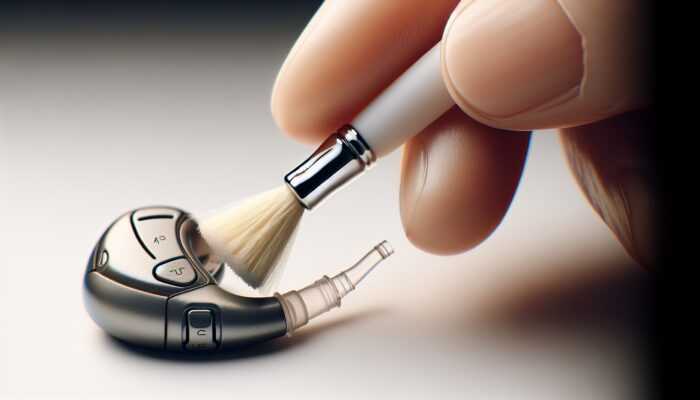
    Hearing Aids: Tackling Stigma and Barriers in Youth

    Last Updated on 08/11/2025 by Admin

    Understanding the Stigma Surrounding Hearing Aids Among Young People

    What Influences the Stigma Associated with Hearing Aids?

    The stigma surrounding hearing aids among young individuals frequently arises from societal attitudes that create significant barriers for those needing auditory assistance. These societal perceptions result from a mix of ignorance, misconceptions, and unfavourable media depictions of hearing aids. Consequently, many young people view the use of hearing aids as indicative of weakness or inadequacy, which fosters reluctance to embrace this beneficial technology. Additionally, cultural ideals that emphasise beauty and perfection can exacerbate feelings of inadequacy among youth, who are often grappling with complex identity issues during their formative years. This stigma can hinder their participation in social activities and impede their pursuit of aspirations.

    A variety of common misconceptions perpetuate this stigma, including:

    • Hearing aids are exclusively designed for the elderly.
    • Wearing hearing aids denotes a disability or inferiority.
    • Hearing aids are uncomfortable and aesthetically unappealing.
    • Only individuals with severe hearing loss need hearing aids.
    • Hearing aids do not significantly enhance hearing.
    • Active lifestyles or sports participation are unfeasible for hearing aid users.
    • Utilising hearing aids suggests a lack of intelligence or capability.
    • Hearing aids are noticeable and attract unwanted attention.

    The persistence of these fallacies significantly discourages young individuals from wearing hearing aids, perpetuating a damaging cycle of stigma that is challenging to break. Understanding the origins of this stigma is crucial for creating supportive environments that empower young people to use hearing aids without fear of social judgement.

    How Does the Stigma of Hearing Aids Impact the Mental Health of Young People?

    The challenges associated with wearing hearing aids extend far beyond mere physical auditory issues; they profoundly impact the mental health of young individuals. Many report experiencing increased feelings of self-consciousness and anxiety linked to their use of hearing aids, which can impede social interactions and adversely affect their self-esteem. The fear of being perceived as different or less capable often leads to withdrawal from social situations, creating a detrimental cycle of isolation. Young people who hesitate to engage with their peers miss vital opportunities for friendship and personal growth, which can exacerbate their mental health challenges.

    Research indicates that the burden of stigma can amplify feelings of loneliness and depression among youth with hearing impairments. They may feel pressured to conceal their hearing aids, resulting in increased stress in social contexts. The internalisation of negative societal attitudes towards hearing loss can lead to a poor self-image, making it increasingly difficult for these young individuals to advocate for their needs or seek assistance when required.

    Addressing the mental health consequences of hearing aid stigma is essential. Initiatives that champion acceptance and empathy can significantly improve the well-being of young individuals. It is crucial for educators, parents, and peers to cultivate an environment where the use of hearing aids is normalised and celebrated, thereby alleviating the emotional weight of stigma.

    How Can Educational Efforts Help in Reducing Stigma Surrounding Hearing Aids?

    Educational initiatives serve a critical role in dismantling the stigma associated with hearing aids. By fostering understanding and compassion, these programmes can effectively dispel myths and misconceptions that contribute to negative perceptions of hearing aids. Schools and communities worldwide have launched programmes aimed at educating students about hearing loss and the importance of inclusivity. Such efforts can significantly reduce stigma by demonstrating the ubiquity of hearing aids in various social contexts, showcasing them as empowering tools rather than symbols of inadequacy.

    To effectively combat stigma, educational programmes should focus on:

    • Engaging students in meaningful discussions about hearing loss and diversity.
    • Inviting guest speakers who use hearing aids to share their personal experiences.
    • Incorporating inclusive practices within school activities and curricula.
    • Equipping teachers with resources to facilitate conversations about acceptance and empathy.
    • Promoting peer-led initiatives, such as awareness campaigns, to enhance understanding.
    • Utilising multimedia presentations to challenge existing stereotypes about hearing aids.
    • Offering opportunities for students to learn sign language to foster inclusion.
    • Encouraging collaborative projects that highlight personal accounts of youth with hearing impairments.

    Through extensive educational outreach, communities can nurture a culture of acceptance and support, ultimately creating a more inclusive atmosphere for youth who use hearing aids.

    Expert Insights on Dismantling the Stigma of Hearing Aids in Young People

    How Can Professionals Assist in Breaking Down Stigma?

    Professionals in fields such as audiology, psychology, and youth development play a vital role in eliminating the stigma associated with hearing aids among young individuals. By sharing case studies and practical strategies, these experts can demonstrate that hearing aids are not merely devices for amplification; they are essential tools that enhance communication and strengthen connections. For instance, programmes incorporating role-playing scenarios can help youth recognise the importance of supporting peers who wear hearing aids, thereby fostering empathy and understanding.

    Actionable steps for professionals working with youth include:

    • Creating workshops focused on self-advocacy for young individuals with hearing aids.
    • Encouraging open dialogues about hearing loss within families and educational settings.
    • Developing partnerships with organisations dedicated to hearing loss advocacy.
    • Implementing outreach programmes that connect youth with mentors who share comparable experiences.
    • Facilitating forums where young individuals can share their personal stories and challenges.
    • Providing tools and resources that empower youth to articulate their needs and experiences.
    • Utilising social media platforms to raise awareness and counteract stigma.
    • Collaborating with schools to formulate inclusive policies for students using hearing aids.

    By actively engaging with youth and their families, experts can foster a supportive environment that promotes acceptance and reduces stigma surrounding hearing aids.

    What Insights Does Research Offer on Stigma Reduction?

    Research illustrates that targeted interventions and awareness campaigns can significantly diminish the stigma linked to hearing aids among youth. Studies reveal that when young individuals are exposed to positive narratives and informed perspectives on hearing loss, their attitudes shift towards greater acceptance. For example, schools that have implemented programmes centred on disability awareness report improved social dynamics and inclusivity among students.

    Effective interventions include:

    • Peer education programmes designed to train students to raise awareness about hearing loss.
    • Community engagement initiatives that foster understanding and acceptance.
    • Workshops emphasising the significance of inclusivity and effective communication strategies.
    • Social media campaigns that convey positive messages regarding hearing aids.
    • Collaborative efforts between schools and local organisations to host awareness events.
    • Parent education sessions that inform families about hearing loss and available support resources.
    • Research-based tools enabling educators to assess and enhance classroom inclusivity.
    • Creative arts programmes allowing youth to express their experiences and emotions related to hearing aids.

    These findings underscore that stigma reduction is achievable through collective action and informed strategies, making it essential for stakeholders—from educators to healthcare professionals—to engage effectively with the youth community.

    What Strategies Should Be Implemented Based on Expert Recommendations?

    To effectively implement expert recommendations aimed at diminishing the stigma related to hearing aids, a comprehensive approach is crucial. Creating supportive environments involves not only awareness campaigns but also structural changes within educational and social settings. Schools and organisations can take concrete actions to ensure that youth with hearing aids feel accepted and empowered.

    Effective implementation strategies encompass:

    • Providing regular training for educators on inclusivity and accommodations for students using hearing aids.
    • Integrating discussions about hearing loss into health education curricula.
    • Establishing peer mentoring programmes connecting youth with hearing impairments to role models.
    • Utilising testimonials from youth with hearing aids in promotional materials to humanise their experiences.
    • Encouraging feedback from youth and families regarding their experiences to inform future initiatives.
    • Collaborating with audiologists and mental health professionals to offer comprehensive support.
    • Creating a resource hub with information on hearing aids and coping strategies for families.
    • Promoting community events that celebrate diversity and highlight individuals who use hearing aids.

    By prioritising these strategies, communities can cultivate an inclusive and accepting atmosphere, allowing youth with hearing aids to thrive without the burden of stigma.

    What Are the Consequences of Stigma on Youth’s Overall Quality of Life?

    Social Isolation: Recognising Its Impacts

    The stigma associated with hearing aids can lead to considerable social isolation among youth, profoundly affecting their overall quality of life. Young individuals may feel marginalised or excluded from social circles, resulting in a reluctance to engage in activities where they might draw attention to their hearing aids. This isolation can lead to missed opportunities for building friendships, personal growth, and social development.

    The repercussions of social isolation are extensive. Youth who withdraw from peer interactions are at a heightened risk of experiencing loneliness and depression, which can exacerbate existing mental health issues. As they retreat from social situations, they often struggle to develop essential communication skills, further amplifying their sense of isolation. Participation in sports or community events can become daunting, as fears of judgement weigh heavily on their minds.

    To counteract social isolation, it is crucial to cultivate inclusive environments where youth feel safe and accepted. This can be achieved through community programmes that promote participation and understanding. Emphasising shared experiences and encouraging activities that require teamwork can help dismantle barriers and foster camaraderie among youth, irrespective of their hearing abilities.

    What Are the Long-Term Consequences of Stigma for Youth?

    The long-term implications of stigma associated with hearing aids can be debilitating and far-reaching. Stigma not only impacts immediate social interactions but can also shape educational and career trajectories for young individuals. When youth internalise negative perceptions about their hearing aids, they may avoid pursuing interests or career paths that necessitate strong communication skills, thereby limiting their potential.

    Potential long-term effects of stigma include:

    • Lower educational attainment due to diminished participation and engagement in school.
    • Restricted career opportunities as confidence in abilities wanes.
    • Chronic mental health issues, including anxiety and depression.
    • Challenges in forming and sustaining personal relationships.
    • Diminished self-esteem and self-worth.
    • Increased reliance on support networks that may not always be accessible.
    • Missed opportunities for personal growth and self-advocacy.
    • Difficulties in accessing resources and services due to fear of judgement.

    Addressing these long-term effects requires a commitment to cultivating environments that promote acceptance and understanding of hearing aids. Empowering youth to embrace their identities while equipping them with tools to navigate challenges can facilitate more positive outcomes in their overall well-being.

    Strategies to Enhance Quality of Life for Youth

    Enhancing the quality of life for youth affected by the stigma surrounding hearing aids involves a variety of strategies that encourage supportive networks, empowerment, and education. By fostering strong connections within communities, young individuals can gain confidence in utilising their hearing aids and actively participating in social activities.

    Essential strategies include:

    • Establishing peer support groups where youth can share experiences and coping strategies.
    • Implementing counselling services targeting the emotional and psychological effects of stigma.
    • Encouraging participation in confidence-building activities such as drama or public speaking.
    • Creating safe spaces in schools and community centres for youth to express their feelings without fear of judgement.
    • Providing educational resources that inform youth about the benefits of hearing aids and effective communication strategies.
    • Incorporating mindfulness and resilience training to assist youth in managing anxiety related to stigma.
    • Promoting inclusive extracurricular activities that celebrate diversity and encourage teamwork.
    • Encouraging youth to set personal goals concerning their milestones and achievements.

    Through these initiatives, communities can assist youth in navigating the challenges associated with hearing aid stigma and improve their overall quality of life.

    Exploring the Impact on Mental Health and Well-being

    The stigma surrounding hearing aids has a substantial impact on the mental health and well-being of youth, often resulting in heightened anxiety, depression, and diminished self-esteem. Young individuals confronting stigma may internalise negative societal messages, cultivating feelings of inadequacy and isolation. This internal conflict can manifest in various ways, affecting not only their mental health but also their academic performance and social relationships.

    Research indicates that youth with hearing aids are at an increased risk of developing mental health issues due to societal pressures to fit in and be accepted. The constant fear of judgement can lead to avoidance behaviours, where young individuals shy away from social situations or school activities. Furthermore, the lack of understanding from peers can exacerbate feelings of loneliness and despair.

    Addressing these mental health challenges is critical for nurturing resilience and promoting a positive self-image. Communities must prioritise mental health supports through counselling, peer mentoring, and educational programmes that underscore the importance of empathy and acceptance. When young individuals feel valued and understood, they are more likely to flourish despite the challenges stigma presents.

    Effective Strategies for Tackling the Stigma of Hearing Aids in Youth

    What Are the Essential Components of Successful Awareness Campaigns?

    Successful awareness campaigns play a pivotal role in combatting the stigma surrounding hearing aids among youth. These initiatives should prioritise education, personal narratives, and positive representation to shift public perceptions. By humanising the experiences of young individuals who wear hearing aids, campaigns can cultivate a narrative that emphasises empowerment rather than disability.

    Key components of effective awareness campaigns include:

    • Personal testimonials from youth who use hearing aids, sharing authentic insights into their journeys.
    • Collaboration with influencers and public figures who advocate for inclusivity.
    • Utilisation of multimedia platforms, such as social media, to engage a broader audience and connect with young people.
    • Interactive events that allow youth to try on hearing aids and discuss their experiences with peers.
    • Educational resources for schools and communities that explain hearing loss and the importance of acceptance.
    • Awareness days that promote activities showcasing the contributions of individuals with hearing impairments.
    • Partnerships with local organisations to conduct workshops and seminars focused on hearing loss awareness.
    • Incorporation of art and creativity to convey impactful messages surrounding acceptance and understanding.

    By leveraging these components, awareness campaigns can initiate a ripple effect of understanding and acceptance, ultimately reducing stigma and fostering a more inclusive environment for youth who use hearing aids.

    How Do Peer Support Groups Contribute to Stigma Reduction?

    Peer support groups are instrumental in addressing the stigma associated with hearing aids among youth. These groups provide a safe environment for young individuals to share their experiences, concerns, and coping strategies. By connecting with others facing similar challenges, youth can feel less isolated and more empowered to embrace their identities.

    The advantages of peer support groups include:

    • Offering emotional support and understanding from peers with shared experiences.
    • Facilitating conversations about challenges related to stigma and hearing aids.
    • Encouraging friendship development based on common experiences and mutual understanding.
    • Providing a platform for youth to practice self-advocacy and enhance communication skills.
    • Hosting activities that promote confidence and teamwork among group members.
    • Creating mentorship opportunities where older youth can guide younger participants.
    • Fostering a sense of community and belonging, thereby decreasing feelings of isolation.
    • Empowering youth to advocate against stigma and promote awareness within their schools and communities.

    By establishing and supporting peer support groups, communities can equip youth with the resources and tools necessary to navigate stigma and flourish with their hearing aids.

    In What Ways Can Families Support Youth with Hearing Aids?

    Families play a crucial role in supporting youth who wear hearing aids and assisting them in overcoming the stigma associated with hearing loss. Open communication and a positive perspective toward hearing aids can significantly influence a young person’s self-esteem and willingness to accept their hearing devices.

    Key methods families can employ to support youth include:

    • Encouraging open discussions about hearing loss and the significance of utilising hearing aids.
    • Normalising hearing aid use as a routine aspect of life, akin to wearing glasses for vision correction.
    • Advocating for inclusive environments within schools and social contexts.
    • Participating in support groups and educational workshops to gain a better understanding of hearing loss.
    • Promoting resilience and self-advocacy skills, empowering youth to articulate their needs.
    • Celebrating achievements and milestones related to the use of hearing aids.
    • Providing emotional support during challenging moments when stigma may arise.
    • Encouraging involvement in activities that foster confidence and social interaction.

    Through proactive support, families can help youth navigate the hurdles of stigma and cultivate a positive self-image, motivating them to wear their hearing aids with pride.

    Why Are School Programmes Essential for Stigma Reduction?

    School programmes that educate students about hearing loss and promote inclusivity are vital for diminishing the stigma surrounding hearing aids among youth. By embedding awareness initiatives into the school curriculum, educators can instil understanding and empathy among peers, resulting in a more inclusive atmosphere for all students.

    Effective school programmes should focus on:

    • Integrating lessons on hearing loss into health education curricula to raise awareness.
    • Training teachers to recognise and tackle stigma while fostering inclusivity.
    • Creating opportunities for students to meet and engage with peers who use hearing aids.
    • Organising school-wide events that celebrate diversity and underscore the importance of inclusion.
    • Encouraging student-led initiatives advocating for acceptance and support for peers with hearing aids.
    • Utilising technology and multimedia to develop engaging presentations on hearing loss awareness.
    • Establishing collaborations with local organisations to offer resources and support to schools.
    • Encouraging open discussions among students regarding hearing loss and personal experiences.

    By prioritising inclusive education, schools can help mitigate stigma and empower youth with hearing aids to feel accepted and appreciated within their communities.

    What Benefits Are Gained by Addressing Stigma?

    How Can Mental Health Outcomes Improve?

    Addressing the stigma surrounding hearing aids can lead to substantial benefits for the mental health outcomes of youth. By reducing stigma, a more accepting environment is fostered, which can contribute to lower anxiety levels and enhanced self-confidence. When youth feel understood and accepted, they are more inclined to engage in social activities and cultivate healthy relationships.

    The positive mental health outcomes resulting from stigma reduction include:

    • Decreased anxiety and depression related to social interactions.
    • Enhanced self-worth as youth learn to embrace their identities.
    • Improved resilience, enabling young people to navigate challenges associated with stigma.
    • Better academic performance as confidence increases and participation rises.
    • Greater willingness to seek support and assistance when needed.
    • Stronger community connections as acceptance fosters peer relationships.
    • Positive self-image leading to healthier lifestyle choices and behaviours.
    • Empowerment to advocate for oneself and others, decreasing isolation.

    By proactively working to reduce stigma, communities can establish an environment where youth flourish emotionally and socially, leading to overall enhancements in well-being.

    What Are the Benefits of Enhanced Social Integration?

    Mitigating stigma surrounding hearing aids significantly enhances social integration for youth. When stigma diminishes, young people with hearing aids are more likely to engage in social activities, forge friendships, and experience a sense of belonging. This heightened social integration positively impacts their overall quality of life, allowing them to develop essential social skills that are beneficial in various aspects of life.

    The benefits of enhanced social integration include:

    • Increased involvement in group activities, promoting camaraderie and teamwork.
    • Improved interpersonal skills as youth freely interact with peers.
    • Broadened social networks, leading to more friendship opportunities.
    • Greater confidence in public settings, such as schools and community events.
    • Stronger support systems formed through shared experiences and understanding.
    • A decrease in feelings of loneliness and isolation.
    • Heightened willingness to discuss hearing loss, promoting awareness.
    • Enhanced cultural understanding as youth learn to appreciate diversity.

    By prioritising stigma reduction, communities can create spaces where youth with hearing aids feel welcomed and valued, leading to meaningful social connections.

    What Educational Advantages Arise from Reducing Stigma?

    Reducing stigma surrounding hearing aids can yield numerous educational advantages for youth. When young individuals feel comfortable using their hearing aids in school, they are more likely to actively participate in class discussions and collaborative projects. This increased engagement can greatly enhance their educational outcomes and overall academic success.

    The educational advantages of addressing stigma include:

    • Higher levels of classroom participation and engagement among students with hearing aids.
    • Improved academic performance as students feel empowered to contribute.
    • Greater access to learning opportunities due to enhanced communication capabilities.
    • Increased collaboration with peers, leading to improved teamwork skills.
    • Reduced dropout rates as youth feel more included and supported.
    • Enhanced critical thinking skills as students feel free to express their ideas.
    • Stronger relationships with educators who promote inclusivity and understanding.
    • Increased self-advocacy skills, enabling students to effectively articulate their needs.

    Through these educational benefits, addressing stigma can establish a positive feedback loop where youth thrive academically and socially, preparing them for success in their future endeavours.

    What Steps Can Be Taken to Overcome the Stigma of Hearing Aids in Youth?

    How Do Personal Stories Influence Stigma Reduction?

    Personal stories from youth who have successfully navigated the stigma associated with hearing aids can be incredibly impactful. These narratives not only inspire hope but also offer relatable experiences that resonate with others facing similar challenges. By sharing personal accounts, young individuals can demystify hearing aids and foster acceptance among their peers.

    The impact of personal stories includes:

    • Creating a sense of community where youth feel understood and accepted.
    • Encouraging others to share their experiences, breaking the silence surrounding stigma.
    • Humanising the experience of living with hearing loss and using hearing aids.
    • Providing tangible examples of success and resilience in the face of challenges.
    • Encouraging empathy among peers, reducing negative perceptions.
    • Fostering a culture of openness and acceptance within schools and communities.
    • Empowering youth to take pride in their identities and experiences.
    • Supporting advocacy efforts that challenge stigma and promote awareness.

    By amplifying personal stories, communities can create an environment of acceptance and resilience, encouraging youth to wear their hearing aids proudly.

    What Influence Do Role Models Have on Youth?

    Role models who utilise hearing aids can significantly impact youth by illustrating that success and confidence are attainable despite the stigma. When young individuals observe public figures or peers thriving while wearing hearing aids, it reinforces the notion that hearing aids do not define one’s abilities or potential.

    The influence of role models includes:

    • Providing inspiration and motivation for youth grappling with stigma.
    • Demonstrating confidence and self-acceptance, challenging stereotypes.
    • Encouraging youth to pursue their passions and interests without apology.
    • Offering practical examples of navigating challenges associated with stigma.
    • Building a sense of belonging through shared experiences and understanding.
    • Creating mentoring opportunities for guidance and support.
    • Amplifying the message of inclusion and acceptance within communities.
    • Encouraging youth to advocate for themselves and others in their journeys.

    By emphasising the importance of role models, communities can inspire young individuals with hearing aids to embrace their identities and thrive free from stigma.

    How Can Communities Foster a Supportive Environment?

    Building a supportive community is essential for overcoming the stigma associated with hearing aids among youth. When communities prioritise understanding and acceptance, young individuals feel safe to express themselves and use their hearing aids without fear of judgement. Establishing support networks can significantly enhance the experiences of youth, allowing them to flourish.

    Key elements of a supportive community include:

    • Organising events that foster connections and celebrate diversity.
    • Encouraging open dialogues about hearing loss and its impact on youth.
    • Providing resources and support for families to better understand hearing aids.
    • Collaborating with schools and organisations to promote inclusivity initiatives.
    • Creating safe spaces for youth to share their experiences and challenges.
    • Building partnerships with local businesses to advance accessibility and awareness.
    • Engaging in advocacy efforts that challenge stigma and promote understanding.
    • Facilitating workshops that empower youth to share their stories and advocate for themselves.

    Through these efforts, communities can cultivate an environment where youth with hearing aids feel valued, accepted, and empowered to embrace their identities.

    Why Are Education and Awareness Campaigns Important?

    Educational programmes and awareness campaigns are crucial for reducing the stigma surrounding hearing aids among youth. By enhancing understanding and empathy, these initiatives can cultivate a more inclusive environment where young individuals feel accepted and valued.

    Effective education and awareness campaigns should focus on:

    • Teaching youth about hearing loss and the importance of inclusivity.
    • Utilising various mediums, including social media, to reach a broader audience.
    • Incorporating interactive elements to engage youth in discussions about hearing aids.
    • Highlighting success stories of individuals who wear hearing aids.
    • Partnering with local organisations to provide resources and support for schools.
    • Creating outreach programmes that involve community members in awareness efforts.
    • Encouraging youth-led initiatives that promote understanding and acceptance.
    • Regularly evaluating the effectiveness of campaigns and adapting strategies as necessary.

    Through comprehensive education and awareness efforts, communities can challenge stigma and create environments that celebrate diversity, fostering acceptance of youth with hearing aids.

    How Can Youth Be Empowered Through Advocacy?

    Empowering youth to advocate for themselves and others is a potent strategy for overcoming the stigma associated with hearing aids. When young individuals learn to express their needs and experiences, they become active participants in shaping attitudes and perceptions within their communities. Advocacy fosters resilience, confidence, and a sense of agency among youth.

    Key methods to empower youth through advocacy include:

    • Providing training on self-advocacy skills and effective communication.
    • Encouraging participation in advocacy groups and initiatives.
    • Creating platforms for youth to share their experiences and challenges.
    • Connecting youth with mentors who can guide them in their advocacy efforts.
    • Promoting awareness campaigns that underscore the significance of self-advocacy.
    • Encouraging collaboration among youth to tackle common challenges.
    • Celebrating youth-led initiatives that combat stigma and foster understanding.
    • Facilitating opportunities for youth to engage with policymakers and community leaders.

    By empowering youth through advocacy, communities can nurture a generation that embraces diversity and challenges stigma, ensuring that young individuals with hearing aids feel confident and accepted.

    Frequently Asked Questions

    What Influences the Stigma of Hearing Aids in Youth?

    The stigma can stem from societal perceptions, misconceptions about hearing loss, and fears of being perceived as different or disabled.

    How Does Wearing Hearing Aids Affect Mental Health in Youth?

    Wearing hearing aids can lead to self-consciousness and anxiety, affecting social interactions and self-esteem, potentially resulting in feelings of isolation and depression.

    What Role Does Education Play in Alleviating Stigma?

    Educational programmes can dispel myths and foster a more inclusive environment, helping youth understand the significance of acceptance and the normalcy of using hearing aids.

    Can Professionals Help Reduce Stigma Around Hearing Aids?

    Absolutely, professionals can share effective strategies, provide essential resources, and promote awareness through workshops and community initiatives that encourage acceptance.

    What Are the Long-Term Consequences of Stigma for Youth with Hearing Aids?

    Long-term consequences can include diminished educational opportunities, ongoing mental health issues, and challenges in forming relationships and advocating for oneself.

    What Strategies Can Enhance the Quality of Life for Youth Affected by Stigma?

    Establishing supportive networks, promoting open communication, and encouraging self-advocacy can significantly improve the quality of life for youth with hearing aids.

    How Can Families Support Youth with Hearing Aids?

    Families can foster open communication, normalise the use of hearing aids, and advocate for inclusive environments to help youth feel more accepted.

    What Role Do Peer Support Groups Play in Addressing Stigma?

    Peer support groups provide a safe space for youth to share experiences and coping strategies, fostering a sense of community and reducing feelings of isolation.

    How Do Awareness Campaigns Contribute to Stigma Reduction?

    Effective campaigns raise awareness, share personal stories, and promote positive representation of hearing aid users, challenging negative perceptions.

    How Can Youth Advocate for Themselves Regarding Hearing Aids?

    Empowering youth through self-advocacy training, encouraging participation in discussions, and providing platforms to share their experiences helps them articulate their needs effectively.

    Explore our journey on X!

    The post Hearing Aids in Youth: Overcoming Stigma and Barriers appeared first on The Microsuction Ear Wax Removal Network.

    The post Hearing Aids in Youth: Overcoming Stigma and Barriers appeared first on Healthcare Marketing Service.

    Process Redesign for Improved Workflow and Success

    In the fast-paced and ever-changing landscape of modern business, organisations are continually seeking innovative strategies to improve their efficiency and productivity. One particularly effective approach that has gained significant traction is process redesign. Through careful examination and re-evaluation of existing workflows, businesses can identify critical bottlenecks, eliminate unnecessary steps, and ultimately enhance their operations. This article explores the transformative impacts of process redesign on workflow optimisation, highlighting its numerous advantages while providing actionable recommendations for effective implementation.

    Deepen Your Understanding of Process Redesign to Maximise Business Efficiency

    Process redesign is a systematic method aimed at enhancing business processes. This approach involves a thorough evaluation of current workflows to identify areas that require improvement, followed by implementing changes designed to enhance both efficiency and effectiveness. The core objective of process redesign is to remove redundancies, streamline operations, and ultimately elevate productivity. This proactive strategy involves more than just minor adjustments; it necessitates an in-depth analysis of the entire workflow. By taking a step back and examining each aspect of the process, organisations can uncover inefficiencies, redundancies, and bottlenecks that may have previously gone unnoticed. This detailed evaluation encourages a holistic approach to optimisation.

    Uncover the Significant Advantages of Process Redesign for Organisational Success

    A vibrant, abstract image of a streamlined workflow with glowing nodes, symbolising efficiency and success through process redesign.

    The implementation of process redesign offers a plethora of benefits for organisations aiming to refine their workflows. Some of the key advantages include:

    1. Enhanced Efficiency: By removing unnecessary steps and simplifying workflows, process redesign enables organisations to complete tasks more quickly and with fewer resources. This approach not only saves time but also promotes improved resource allocation, resulting in increased efficiency across the board.

    2. Improved Quality: Through a detailed examination of existing processes, organisations can identify and rectify potential errors or bottlenecks, leading to higher quality outputs and greater customer satisfaction. By streamlining workflows and eliminating superfluous steps, organisations can ensure that every task is performed with accuracy and high quality standards.

    3. Cost Reduction: Optimising workflows often leads to reduced operational costs, as organisations can eliminate unnecessary tasks, minimise waste, and optimise resource allocation. By identifying and removing redundant or non-value-added steps, organisations can conserve both valuable time and financial resources.

    4. Increased Agility: Process redesign equips organisations to respond more swiftly to changing market conditions or customer demands by fostering flexible and agile workflows. By cutting unnecessary bureaucracy and simplifying processes, organisations can adapt to changes in a more timely and efficient manner.

    5. Employee Empowerment: Involving employees in the process redesign initiatives empowers the workforce and cultivates a culture of continuous improvement. This participation enhances employee satisfaction and engagement, as individuals feel valued when they have a voice in the redesign process. Consequently, they are more inclined to embrace the changes.

    Implement a Structured Step-by-Step Approach for Successful Process Redesign

    To ensure the successful implementation of process redesign and achieve optimal workflow efficiency, organisations should follow a structured approach. Below are the essential steps involved:

    1. Identify Goals and Objectives: Clearly define the desired outcomes of the process redesign initiative. Determine the specific areas or processes that require improvement and establish measurable goals. This foundational step lays the groundwork for the entire redesign process.

    2. Map Existing Processes: Create detailed process maps or flowcharts to visualise current workflows. This step assists in identifying bottlenecks, redundancies, and areas primed for improvement. By visually representing existing processes, organisations can gain a clearer understanding of the entire workflow and pinpoint potential optimisation opportunities.

    3. Analyse and Evaluate: Conduct a comprehensive analysis of current processes, highlighting pain points, inefficiencies, and opportunities for optimisation. This analysis may involve data collection, employee interviews, and benchmarking against industry best practices. By thoroughly investigating the data and seeking input from those directly involved in the processes, organisations can make informed decisions regarding necessary enhancements.

    4. Redesign and Simplify: Based on the analysis, redesign processes to eliminate unnecessary steps, simplify complex workflows, and integrate automation or technology solutions wherever applicable. The goal is to create streamlined, efficient, and user-friendly processes. This stage requires creativity and a willingness to challenge traditional methods.

    5. Test and Refine: Before rolling out the redesigned processes organisation-wide, conduct pilot tests or simulations to identify and address any potential issues or challenges. Gather feedback from employees and stakeholders to further refine the processes. This iterative approach allows organisations to fine-tune their processes, ensuring they are fully optimised before widespread adoption.

    6. Communicate and Train: Effective communication is crucial. Clearly convey the redesigned processes to all stakeholders, ensuring they understand the rationale behind the changes and the expected benefits. Provide comprehensive training and support to employees to facilitate successful adoption. By involving employees in both the communication and training processes, organisations can ensure a smoother transition and increased acceptance.

    7. Implement and Monitor: Roll out the redesigned processes across the organisation while closely monitoring their implementation and impact. Continuously track key performance indicators (KPIs) to evaluate the effectiveness of the changes and make further adjustments as necessary. Ongoing monitoring enables organisations to identify areas needing additional optimisation and make the required adjustments to ensure long-term success.

    Embrace Best Practices for Effective Process Redesign and Workflow Optimisation

    To maximise the impact of process redesign on workflow optimisation, organisations should adopt the following best practices:

    • Foster a Culture of Continuous Improvement: Encourage employees to share ideas and suggestions for process enhancement. Create a safe and supportive environment where innovation and experimentation are encouraged. By nurturing a culture of continuous improvement, organisations can tap into the collective knowledge and creativity of their workforce.

    • Involve Employees at all Levels: Engage employees from various departments and levels of the organisation in the process redesign initiatives. Their firsthand understanding of workflows and challenges can provide invaluable insights and ensure successful implementation. Including employees at all levels allows organisations to benefit from diverse perspectives, enhancing the likelihood of successful adoption.

    • Embrace Technology and Automation: Leverage technology tools and automation solutions to streamline processes and eliminate manual, time-consuming tasks. This can significantly improve efficiency and accuracy. By adopting technology, organisations can free up valuable time and resources, enabling employees to focus on more strategic and value-added activities.

    • Regularly Review and Update Processes: Establish a routine for regular process reviews to ensure ongoing optimisation. As business needs evolve and technologies advance, processes may need periodic updates to maintain optimal efficiency. By consistently reviewing and updating processes, organisations can stay ahead of the curve and continuously enhance their workflows.

    • Measure and Celebrate Success: Develop metrics to assess the impact of process redesign on workflow optimisation. Celebrate and acknowledge the achievements and improvements resulting from these initiatives, recognising the efforts of involved employees. By measuring success, organisations can track their progress and motivate employees to continue pursuing improvements.

    Process redesign is a powerful strategy for organisations aiming to optimise their workflows and achieve greater efficiency. By thoroughly analysing existing processes, making targeted improvements, and involving employees in the redesign initiatives, companies can streamline operations, reduce costs, and enhance both productivity and customer satisfaction. By adopting process redesign as an ongoing improvement practice, organisations can position themselves for sustained success in today’s competitive business environment.

    Explore Common Questions About Process Redesign

    A vibrant flowchart showing process redesign in a modern office setting with collaborating team.

    Q1: What is process redesign?

    A1: Process redesign is a systematic approach to refining business processes by critically evaluating current workflows, identifying areas for enhancement, and implementing changes that improve efficiency and effectiveness.

    Q2: What are the benefits of process redesign?

    A2: The benefits of process redesign encompass enhanced efficiency, improved quality, cost reduction, increased agility, and employee empowerment.

    Q3: What is the step-by-step approach for implementing process redesign?

    A flowchart showing process redesign steps from goal setting to monitoring, with icons for each phase.

    A3: The step-by-step approach for implementing process redesign includes identifying goals and objectives, mapping existing processes, analysing and evaluating, redesigning and simplifying, testing and refining, communicating and training, and implementing and monitoring.

    Q4: What are some best practices for successful process redesign?

    A4: Some best practices for effective process redesign include fostering a culture of continuous improvement, involving employees at all levels, embracing technology and automation, regularly reviewing and updating processes, and measuring and celebrating success.

    Originally posted 2024-06-27 07:30:49.

    The post Process Redesign: Enhancing Workflow for Greater Success appeared first on Healthcare Marketing Service.

    Hearing Aids in Youth: Breaking Barriers and Stigma

    Last Updated on 08/11/2025 by Admin

    Understanding and Overcoming the Stigma Surrounding Hearing Aids in Young Individuals

    What Factors Contribute to the Negative Perceptions of Hearing Aids Among Youth?

    The stigma surrounding <a href="https://www.earwaxremoval.net/bluetooth-hearing-aids-embracing-a-universal-trend/">hearing aids</a> in young people is often rooted in societal attitudes that generate significant barriers for those who require auditory assistance. These perceptions are constructed from a blend of ignorance, misconceptions, and negative media portrayals that unfairly depict hearing aids. Consequently, many young individuals view the use of hearing aids as indicative of weakness or inadequacy, which leads to hesitance in embracing this invaluable technology. Additionally, cultural ideals that prioritise beauty and perfection exacerbate feelings of inadequacy in youth, who are already grappling with complex identity issues during their formative years. This stigma can severely hinder their participation in social activities and impede their pursuit of personal aspirations.

    A variety of prevalent misconceptions fuels this stigma, including:

    • Hearing aids are exclusively intended for the elderly.
    • Wearing hearing aids is a sign of disability or inferiority.
    • Hearing aids are uncomfortable and aesthetically unappealing.
    • Only individuals with severe hearing loss require hearing aids.
    • Hearing aids do not effectively enhance hearing.
    • Engaging in active lifestyles or sports is impractical for hearing aid users.
    • The use of hearing aids suggests a lack of intelligence or capability.
    • Hearing aids are conspicuous and draw unwanted attention.

    Such misconceptions significantly contribute to the reluctance of young individuals to utilise hearing aids, perpetuating a damaging cycle of stigma that is challenging to dismantle. Recognising the origins of this stigma is crucial for fostering supportive environments that empower young people to embrace hearing aids without fear of social judgement.

    How Does Stigma Associated with Hearing Aids Impact Youth Mental Health?

    The challenges associated with wearing hearing aids extend far beyond mere auditory issues; they profoundly impact the <a href="https://www.earwaxremoval.net/ear-health-matters-for-your-overall-wellness-a-global-view/">mental health</a> of young individuals. Many report experiencing heightened levels of self-consciousness and anxiety due to their use of hearing aids, which can impede social interactions and negatively affect their self-esteem. The fear of being perceived as different or less capable often leads to withdrawal from social engagements, resulting in a detrimental cycle of isolation. Young people who are reluctant to connect with peers miss out on essential opportunities for friendship and personal growth, further exacerbating their mental health challenges.

    Research indicates that the burden of stigma can amplify feelings of loneliness and depression among youth with hearing impairments. They might feel compelled to conceal their hearing aids, contributing to increased stress in social situations. The internalisation of negative societal attitudes towards hearing loss can lead to a poor self-image, making it progressively harder for these young individuals to advocate for their needs or seek assistance when required.

    Addressing the mental health implications of hearing aid stigma is imperative. Initiatives that promote acceptance and empathy can significantly improve the well-being of young individuals. It is essential for educators, parents, and peers to cultivate an environment where the use of hearing aids is normalised and celebrated, thus alleviating the emotional burden of stigma.

    How Can Education Serve as a Tool to Reduce Stigma Surrounding Hearing Aids?

    Educational initiatives play a vital role in dismantling the stigma associated with hearing aids. By promoting understanding and compassion, these programmes can dispel myths and misconceptions that contribute to negative perceptions of hearing aids. Schools and communities around the globe have initiated programmes designed to educate students about hearing loss and the importance of inclusivity. Such efforts can dramatically diminish stigma by highlighting the ubiquity of hearing aids across various social contexts, illustrating that they are tools for empowerment rather than symbols of inadequacy.

    To effectively combat stigma, educational programmes should prioritise:

    • Engaging students in meaningful discussions regarding hearing loss and diversity.
    • Inviting guest speakers who utilise hearing aids to share their personal experiences.
    • Incorporating inclusive practices within school activities and curricula.
    • Equipping teachers with resources to facilitate conversations about acceptance and empathy.
    • Promoting peer-led initiatives, such as awareness campaigns, to foster understanding.
    • Utilising multimedia presentations to challenge existing stereotypes about hearing aids.
    • Offering opportunities for students to learn sign language to enhance inclusion.
    • Encouraging collaborative projects that highlight personal stories of youth with hearing impairments.

    Through extensive educational outreach, communities can nurture a culture of acceptance and support, ultimately creating a more inclusive atmosphere for youth who rely on hearing aids.

    Expert Insights on Addressing the Stigma of Hearing Aids in Young People

    How Can Professionals Assist in Breaking Down Stigma?

    Professionals in fields such as audiology, psychology, and youth development play a pivotal role in eradicating the stigma surrounding hearing aids among young individuals. By sharing case studies and practical strategies, these experts can illustrate that hearing aids are not merely devices for amplification but essential tools that enhance communication and foster connections. For instance, programmes that engage youth in role-playing scenarios can help them recognise the importance of supporting peers who wear hearing aids, thereby promoting empathy and understanding.

    Actionable steps for professionals working with youth include:

    • Creating workshops focused on self-advocacy for young individuals with hearing aids.
    • Encouraging open dialogues about hearing loss within families and educational environments.
    • Developing partnerships with organisations dedicated to hearing loss advocacy.
    • Implementing outreach programmes that connect youth with mentors who have similar experiences.
    • Facilitating forums where young individuals can share their personal stories and challenges.
    • Providing tools and resources that empower youth to articulate their needs and experiences.
    • Leveraging social media platforms to raise awareness and counteract stigma.
    • Collaborating with schools to develop inclusive policies for students using hearing aids.

    By actively engaging with youth and their families, experts can foster a supportive environment that cultivates acceptance and diminishes stigma surrounding hearing aids.

    What Does Research Reveal About Effective Stigma Reduction Strategies?

    Research demonstrates that targeted interventions and awareness campaigns can significantly reduce stigma associated with hearing aids among youth. Studies reveal that when young individuals are exposed to positive narratives and informed perspectives on hearing loss, their attitudes shift towards greater acceptance. For example, schools that have implemented programmes focused on disability awareness report enhanced social dynamics and inclusivity among students.

    Effective interventions include:

    • Peer education programmes designed to train students to raise awareness about hearing loss.
    • Community engagement initiatives that promote understanding and acceptance.
    • Workshops highlighting the importance of inclusivity and effective communication strategies.
    • Social media campaigns that convey positive messages regarding hearing aids.
    • Collaborative efforts between schools and local organisations to host awareness events.
    • Parent education sessions that inform families about hearing loss and available support resources.
    • Research-based tools that enable educators to assess and enhance classroom inclusivity.
    • Creative arts programmes that allow youth to express their experiences and emotions related to hearing aids.

    These findings highlight that stigma reduction is achievable through collective action and informed strategies, making it essential for stakeholders—from educators to healthcare professionals—to engage effectively with the youth community.

    What Strategies Should Be Implemented According to Expert Recommendations?

    To effectively implement expert recommendations aimed at diminishing the stigma linked to hearing aids, a comprehensive approach is essential. Creating supportive environments encompasses not only awareness campaigns but also structural changes within educational and social contexts. Schools and organisations can take concrete actions to ensure that youth with hearing aids feel accepted and empowered.

    Effective implementation strategies involve:

    • Providing regular training for educators on inclusivity and accommodations for students using hearing aids.
    • Integrating discussions about hearing loss into health education curricula.
    • Establishing peer mentoring programmes connecting youth with hearing impairments to role models.
    • Utilising testimonials from youth with hearing aids in promotional materials to humanise their experiences.
    • Encouraging feedback from youth and families regarding their experiences to inform future initiatives.
    • Collaborating with audiologists and mental health professionals to offer comprehensive support.
    • Creating a resource hub with information on hearing aids and coping strategies for families.
    • Promoting community events that celebrate diversity and highlight individuals who use hearing aids.

    By prioritising these strategies, communities can cultivate an inclusive and accepting atmosphere, allowing youth with hearing aids to thrive without the burden of stigma.

    What Are the Consequences of Stigma on Youth’s Quality of Life?

    Social Isolation: Understanding Its Ramifications

    The stigma associated with hearing aids can lead to significant social isolation among youth, profoundly affecting their overall quality of life. Young individuals may feel marginalised or excluded from social circles, resulting in a reluctance to engage in activities where they might draw attention to their hearing aids. This isolation can lead to missed opportunities for building friendships, personal growth, and social development.

    The ramifications of social isolation are extensive. Youth who withdraw from peer interactions are at a heightened risk of experiencing loneliness and depression, which can worsen existing mental health issues. As they retreat from social situations, they often struggle to develop essential communication skills, further amplifying their sense of isolation. Participation in sports or community events can become daunting, as fears of judgement weigh heavily on their minds.

    To counteract social isolation, it is crucial to foster inclusive environments where youth feel safe and accepted. This can be accomplished through community programmes that promote participation and understanding. Emphasising shared experiences and encouraging activities that require teamwork can help dismantle barriers and foster camaraderie among youth, irrespective of their hearing abilities.

    What Are the Long-Term Consequences of Stigma for Young People?

    The long-term implications of stigma related to hearing aids can be debilitating and far-reaching. Stigma not only impacts immediate social interactions but can also shape educational and career trajectories for young individuals. When youth internalise negative perceptions about their hearing aids, they may avoid pursuing interests or career paths that necessitate strong communication skills, thereby limiting their potential.

    Potential long-term effects of stigma include:

    • Lower educational attainment due to decreased participation and engagement in school.
    • Restricted career opportunities as confidence in abilities diminishes.
    • Chronic mental health issues, including anxiety and depression.
    • Challenges in forming and sustaining personal relationships.
    • Diminished self-esteem and self-worth.
    • Increased reliance on support networks that may not always be accessible.
    • Missed opportunities for personal growth and self-advocacy.
    • Difficulties in accessing resources and services due to fear of judgement.

    Addressing these long-term effects necessitates a commitment to cultivating environments that promote acceptance and understanding of hearing aids. Empowering youth to embrace their identities while equipping them with the tools to navigate challenges can facilitate more positive outcomes in their overall well-being.

    Strategies to Enhance the Quality of Life for Young Individuals

    Enhancing the quality of life for youth affected by the stigma surrounding hearing aids involves various strategies that encourage supportive networks, empowerment, and education. By fostering strong connections within communities, young individuals can gain confidence in utilising their hearing aids and actively participating in social activities.

    Essential strategies include:

    • Establishing peer support groups where youth can share experiences and coping strategies.
    • Implementing counselling services targeting the emotional and psychological effects of stigma.
    • Encouraging participation in confidence-building activities such as drama or public speaking.
    • Creating safe spaces in schools and community centres for youth to express their feelings without fear of judgement.
    • Providing educational resources that inform youth about the benefits of hearing aids and effective communication strategies.
    • Incorporating mindfulness and resilience training to assist youth in managing anxiety related to stigma.
    • Promoting inclusive extracurricular activities that celebrate diversity and encourage teamwork.
    • Encouraging youth to set personal goals regarding their milestones and achievements.

    Through these initiatives, communities can assist youth in navigating the challenges associated with hearing aid stigma and improve their overall quality of life.

    Exploring the Impact on Mental Health and Well-being

    The stigma surrounding hearing aids has a significant impact on the mental health and well-being of youth, often resulting in heightened anxiety, depression, and reduced self-esteem. Young individuals facing stigma may internalise negative societal messages, fostering feelings of inadequacy and isolation. This internal conflict can manifest in various ways, affecting not only their mental health but also their academic performance and social relationships.

    Research indicates that youth with hearing aids are at an increased risk for developing mental health issues due to societal pressures to fit in and be accepted. The constant fear of judgement can lead to avoidance behaviours, where young individuals shy away from social situations or school activities. Furthermore, the lack of understanding from peers can exacerbate feelings of loneliness and despair.

    Addressing these mental health challenges is critical for nurturing resilience and promoting a positive self-image. Communities must prioritise mental health supports through counselling, peer mentoring, and educational programmes that underscore the importance of empathy and acceptance. When young individuals feel valued and understood, they are more likely to flourish despite the challenges stigma presents.

    Effective Strategies for Addressing the Stigma of Hearing Aids in Young People

    What Are the Key Components of Successful Awareness Campaigns?

    Successful awareness campaigns play a pivotal role in combating the stigma surrounding hearing aids among youth. These initiatives should prioritise education, personal narratives, and positive representation to shift public perceptions. By humanising the experiences of young individuals who wear hearing aids, campaigns can cultivate a narrative that emphasises empowerment rather than disability.

    Key components of effective awareness campaigns include:

    • Personal testimonials from youth who use hearing aids, sharing authentic insights into their journeys.
    • Collaboration with influencers and public figures who advocate for inclusivity.
    • Utilisation of multimedia platforms, such as social media, to engage a broader audience and connect with young people.
    • Interactive events that allow youth to try on hearing aids and discuss their experiences with peers.
    • Educational resources for schools and communities that explain hearing loss and the importance of acceptance.
    • Awareness days that promote activities showcasing the contributions of individuals with hearing impairments.
    • Partnerships with local organisations to conduct workshops and seminars focused on hearing loss awareness.
    • Incorporation of art and creativity to convey impactful messages surrounding acceptance and understanding.

    By leveraging these components, awareness campaigns can initiate a ripple effect of understanding and acceptance, ultimately reducing stigma and fostering a more inclusive environment for youth who utilise hearing aids.

    How Do Peer Support Groups Contribute to Stigma Reduction?

    Peer support groups are instrumental in addressing the stigma associated with hearing aids among youth. These groups provide a safe environment for young individuals to share their experiences, concerns, and coping strategies. By connecting with others facing similar challenges, youth can feel less isolated and more empowered to embrace their identities.

    The advantages of peer support groups include:

    • Offering emotional support and understanding from peers with shared experiences.
    • Facilitating conversations about challenges related to stigma and hearing aids.
    • Encouraging friendship development based on common experiences and mutual understanding.
    • Providing a platform for youth to practice self-advocacy and enhance communication skills.
    • Hosting activities that promote confidence and teamwork among group members.
    • Creating mentorship opportunities where older youth can guide younger participants.
    • Fostering a sense of community and belonging, thereby decreasing feelings of isolation.
    • Empowering youth to advocate against stigma and promote awareness within their schools and communities.

    By establishing and supporting peer support groups, communities can equip youth with the resources and tools necessary to navigate stigma and flourish with their hearing aids.

    In What Ways Can Families Provide Support to Youth with Hearing Aids?

    Families are integral to supporting youth who wear hearing aids and assisting them in overcoming the stigma associated with hearing loss. Open communication and a positive outlook toward hearing aids can significantly influence a young person’s self-esteem and willingness to accept their hearing devices.

    Key methods families can use to support youth include:

    • Encouraging open discussions about hearing loss and the significance of utilising hearing aids.
    • Normalising hearing aid use as a routine aspect of life, similar to wearing glasses for vision correction.
    • Advocating for inclusive environments within schools and social contexts.
    • Participating in support groups and educational workshops to gain a better understanding of hearing loss.
    • Promoting resilience and self-advocacy skills, empowering youth to articulate their needs.
    • Celebrating achievements and milestones related to the use of hearing aids.
    • Providing emotional support during challenging moments when stigma may arise.
    • Encouraging involvement in activities that foster confidence and social interaction.

    Through proactive support, families can help youth navigate the hurdles of stigma and cultivate a positive self-image, motivating them to wear their hearing aids with pride.

    Why Are School Programmes Crucial for Stigma Reduction?

    School programmes that educate students about hearing loss and promote inclusivity are vital for diminishing the stigma associated with hearing aids among youth. By embedding awareness initiatives into the school curriculum, educators can instil understanding and empathy among peers, resulting in a more inclusive atmosphere for all students.

    Effective school programmes should focus on:

    • Integrating lessons on hearing loss into health education curricula to raise awareness.
    • Training teachers to recognise and tackle stigma while fostering inclusivity.
    • Creating opportunities for students to meet and engage with peers who use hearing aids.
    • Organising school-wide events that celebrate diversity and underscore the importance of inclusion.
    • Encouraging student-led initiatives advocating for acceptance and support for peers with hearing aids.
    • Utilising technology and multimedia to develop engaging presentations on hearing loss awareness.
    • Establishing collaborations with local organisations to offer resources and support to schools.
    • Encouraging open discussions among students regarding hearing loss and personal experiences.

    By prioritising inclusive education, schools can help mitigate stigma and empower youth with hearing aids to feel accepted and appreciated within their communities.

    What Advantages Are Gained by Addressing Stigma?

    How Can Mental Health Outcomes Improve Through Stigma Reduction?

    Addressing the stigma surrounding hearing aids can lead to substantial benefits for the mental health outcomes of youth. By reducing stigma, a more accepting environment is created, which can contribute to lower anxiety levels and enhanced self-confidence. When youth feel understood and accepted, they are more inclined to participate in social activities and cultivate healthy relationships.

    The positive mental health outcomes resulting from stigma reduction include:

    • Decreased anxiety and depression related to social interactions.
    • Enhanced self-worth as youth learn to embrace their identities.
    • Improved resilience, enabling young people to navigate challenges associated with stigma.
    • Better academic performance as confidence increases and participation rises.
    • Greater willingness to seek support and assistance when needed.
    • Stronger community connections as acceptance fosters peer relationships.
    • Positive self-image leading to healthier lifestyle choices and behaviours.
    • Empowerment to advocate for oneself and others, decreasing isolation.

    By proactively working to reduce stigma, communities can establish an environment where youth flourish emotionally and socially, leading to overall enhancements in well-being.

    What Are the Benefits of Enhanced Social Integration for Youth?

    Mitigating stigma surrounding hearing aids greatly enhances social integration for youth. When stigma diminishes, young people with hearing aids are more likely to engage in social activities, forge friendships, and experience a sense of belonging. This heightened social integration positively impacts their overall quality of life, allowing them to develop essential social skills that are beneficial in various aspects of life.

    The benefits of enhanced social integration include:

    • Increased involvement in group activities, promoting camaraderie and teamwork.
    • Improved interpersonal skills as youth freely interact with peers.
    • Broadened social networks, leading to more friendship opportunities.
    • Greater confidence in public settings, such as schools and community events.
    • Stronger support systems formed through shared experiences and understanding.
    • A decrease in feelings of loneliness and isolation.
    • Heightened willingness to discuss hearing loss, promoting awareness.
    • Enhanced cultural understanding as youth learn to appreciate diversity.

    By prioritising stigma reduction, communities can create spaces where youth with hearing aids feel welcomed and valued, leading to meaningful social connections.

    What Educational Advantages Arise from Reducing Stigma?

    Reducing stigma surrounding hearing aids can yield numerous educational advantages for youth. When young individuals feel comfortable using their hearing aids in school, they are more likely to actively participate in class discussions and collaborative projects. This increased engagement can greatly enhance their educational outcomes and overall academic success.

    The educational advantages of addressing stigma include:

    • Higher levels of classroom participation and engagement among students with hearing aids.
    • Improved academic performance as students feel empowered to contribute.
    • Greater access to learning opportunities due to enhanced communication capabilities.
    • Increased collaboration with peers, leading to improved teamwork skills.
    • Reduced dropout rates as youth feel more included and supported.
    • Enhanced critical thinking skills as students feel free to express their ideas.
    • Stronger relationships with educators who promote inclusivity and understanding.
    • Increased self-advocacy skills, enabling students to effectively articulate their needs.

    Through these educational benefits, addressing stigma can establish a positive feedback loop where youth thrive academically and socially, preparing them for success in their future endeavours.

    What Steps Can Be Taken to Overcome the Stigma of Hearing Aids in Young People?

    How Do Personal Stories Influence Stigma Reduction?

    Personal stories from youth who have successfully navigated the stigma associated with hearing aids can be incredibly impactful. These narratives not only inspire hope but also offer relatable experiences that resonate with others facing similar challenges. By sharing personal accounts, young individuals can demystify hearing aids and foster acceptance among their peers.

    The impact of personal stories includes:

    • Creating a sense of community where youth feel understood and accepted.
    • Encouraging others to share their experiences, breaking the silence surrounding stigma.
    • Humanising the experience of living with hearing loss and using hearing aids.
    • Providing tangible examples of success and resilience in the face of challenges.
    • Encouraging empathy among peers, reducing negative perceptions.
    • Fostering a culture of openness and acceptance within schools and communities.
    • Empowering youth to take pride in their identities and experiences.
    • Supporting advocacy efforts that challenge stigma and promote awareness.

    By amplifying personal stories, communities can create an environment of acceptance and resilience, encouraging youth to wear their hearing aids proudly.

    What Influence Do Role Models Have on Youth with Hearing Aids?

    Role models who utilise hearing aids can significantly impact youth by illustrating that success and confidence are attainable despite the stigma. When young individuals observe public figures or peers thriving while wearing hearing aids, it reinforces the notion that hearing aids do not define one’s abilities or potential.

    The influence of role models includes:

    • Providing inspiration and motivation for youth grappling with stigma.
    • Demonstrating confidence and self-acceptance, challenging stereotypes.
    • Encouraging youth to pursue their passions and interests without apology.
    • Offering practical examples of navigating challenges associated with stigma.
    • Building a sense of belonging through shared experiences and understanding.
    • Creating mentoring opportunities for guidance and support.
    • Amplifying the message of inclusion and acceptance within communities.
    • Encouraging youth to advocate for themselves and others in their journeys.

    By emphasising the importance of role models, communities can inspire young individuals with hearing aids to embrace their identities and thrive free from stigma.

    How Can Communities Foster a Supportive Environment for Youth with Hearing Aids?

    Building a supportive community is essential for overcoming the stigma associated with hearing aids among youth. When communities prioritise understanding and acceptance, young individuals feel safe to express themselves and use their hearing aids without fear of judgement. Establishing support networks can significantly enhance the experiences of youth, allowing them to flourish.

    Key elements of a supportive community include:

    • Organising events that foster connections and celebrate diversity.
    • Encouraging open dialogues about hearing loss and its impact on youth.
    • Providing resources and support for families to better understand hearing aids.
    • Collaborating with schools and organisations to promote inclusivity initiatives.
    • Creating safe spaces for youth to share their experiences and challenges.
    • Building partnerships with local businesses to advance accessibility and awareness.
    • Engaging in advocacy efforts that challenge stigma and promote understanding.
    • Facilitating workshops that empower youth to share their stories and advocate for themselves.

    Through these efforts, communities can cultivate an environment where youth with hearing aids feel valued, accepted, and empowered to embrace their identities.

    Why Are Education and Awareness Campaigns Important for Stigma Reduction?

    Educational programmes and awareness campaigns are crucial for reducing the stigma surrounding hearing aids among youth. By enhancing understanding and empathy, these initiatives can cultivate a more inclusive environment where young individuals feel accepted and valued.

    Effective education and awareness campaigns should focus on:

    • Teaching youth about hearing loss and the importance of inclusivity.
    • Utilising various mediums, including social media, to reach a broader audience.
    • Incorporating interactive elements to engage youth in discussions about hearing aids.
    • Highlighting success stories of individuals who wear hearing aids.
    • Partnering with local organisations to provide resources and support for schools.
    • Creating outreach programmes that involve community members in awareness efforts.
    • Encouraging youth-led initiatives that promote understanding and acceptance.
    • Regularly evaluating the effectiveness of campaigns and adapting strategies as necessary.

    Through comprehensive education and awareness efforts, communities can challenge stigma and create environments that celebrate diversity, fostering acceptance of youth with hearing aids.

    How Can Youth Be Empowered Through Advocacy?

    Empowering youth to advocate for themselves and others is a potent strategy for overcoming the stigma associated with hearing aids. When young individuals learn to express their needs and experiences, they become active participants in shaping attitudes and perceptions within their communities. Advocacy fosters resilience, confidence, and a sense of agency among youth.

    Key methods to empower youth through advocacy include:

    • Providing training on self-advocacy skills and effective communication.
    • Encouraging participation in advocacy groups and initiatives.
    • Creating platforms for youth to share their experiences and challenges.
    • Connecting youth with mentors who can guide them in their advocacy efforts.
    • Promoting awareness campaigns that underscore the significance of self-advocacy.
    • Encouraging collaboration among youth to tackle common challenges.
    • Celebrating youth-led initiatives that combat stigma and foster understanding.
    • Facilitating opportunities for youth to engage with policymakers and community leaders.

    By empowering youth through advocacy, communities can nurture a generation that embraces diversity and challenges stigma, ensuring that young individuals with hearing aids feel confident and accepted.

    Frequently Asked Questions

    What Factors Contribute to the Stigma of Hearing Aids in Youth?

    The stigma can stem from societal perceptions, misconceptions about hearing loss, and fears of being perceived as different or disabled.

    How Does Wearing Hearing Aids Affect Mental Health in Youth?

    Wearing hearing aids can lead to self-consciousness and anxiety, affecting social interactions and self-esteem, potentially resulting in feelings of isolation and depression.

    What Role Does Education Play in Alleviating Stigma?

    Educational programmes can dispel myths and foster a more inclusive environment, helping youth understand the significance of acceptance and the normalcy of using hearing aids.

    Can Professionals Help Reduce Stigma Around Hearing Aids?

    Absolutely, professionals can share effective strategies, provide essential resources, and promote awareness through workshops and community initiatives that encourage acceptance.

    What Are the Long-Term Consequences of Stigma for Youth with Hearing Aids?

    Long-term consequences can include diminished educational opportunities, ongoing mental health issues, and challenges in forming relationships and advocating for oneself.

    What Strategies Can Enhance the Quality of Life for Youth Affected by Stigma?

    Establishing supportive networks, promoting open communication, and encouraging self-advocacy can significantly improve the quality of life for youth with hearing aids.

    How Can Families Support Youth with Hearing Aids?

    Families can foster open communication, normalise the use of hearing aids, and advocate for inclusive environments to help youth feel more accepted.

    What Role Do Peer Support Groups Play in Addressing Stigma?

    Peer support groups provide a safe space for youth to share experiences and coping strategies, fostering a sense of community and reducing feelings of isolation.

    How Do Awareness Campaigns Contribute to Stigma Reduction?

    Effective campaigns raise awareness, share personal stories, and promote positive representation of hearing aid users, challenging negative perceptions.

    How Can Youth Advocate for Themselves Regarding Hearing Aids?

    Empowering youth through self-advocacy training, encouraging participation in discussions, and providing platforms to share their experiences helps them articulate their needs effectively.

    Explore our journey on X!

    The post Hearing Aids in Youth: Overcoming Stigma and Barriers appeared first on The Microsuction Ear Wax Removal Network.

    Medical Billing & Coding: Optimising Revenue Cycle Management

    In the intricate landscape of healthcare, implementing effective revenue cycle management is crucial for the financial sustainability of medical practices and healthcare organisations. A key component of this process is medical billing and coding, which plays a vital role in ensuring accurate and timely reimbursement for the services provided. This article delves into the complexities of medical billing and coding, illuminating its significance and offering valuable insights on enhancing revenue cycle management to achieve optimal results.

    Explore the Essential Functions of Medical Billing & Coding in the Healthcare Sector

    Medical billing and coding entail the systematic conversion of medical procedures, diagnoses, and treatments into standardised alphanumeric codes. These codes facilitate the billing process, enabling healthcare providers to receive payment for the services they render. The precision of coding is critical, as it determines the reimbursement amounts from insurance companies and government programmes such as Medicare and Medicaid. Inaccurate coding can lead to significant financial losses and operational inefficiencies for healthcare providers.

    What Steps Can Be Taken to Guarantee Accurate Reimbursement for Healthcare Services?

    A healthcare provider coding medical services on a computer, surrounded by charts, ensuring accurate reimbursement.

    Guaranteeing accurate reimbursement is vital for healthcare providers, as it directly affects their financial stability and operational longevity. Each medical service, procedure, and diagnosis is assigned a specific code that must be meticulously documented to ensure that the healthcare provider receives the rightful payment for the services rendered. Through careful coding of the services provided, healthcare organisations can prevent both underpayment and overpayment, thus achieving fair and accurate reimbursement levels.

    To accomplish accurate reimbursement, professionals in medical billing and coding must have a thorough understanding of coding guidelines, documentation standards, and payer policies. It is essential to stay updated on the latest changes in coding and regulatory requirements to ensure proper code assignment. Regular training sessions and educational initiatives for coding personnel can significantly enhance their capabilities, thereby reducing coding errors and minimising claim denials.

    Why is Adherence to Regulations Crucial in Medical Billing and Coding?

    The processes of medical billing and coding are also integral to maintaining compliance with a multitude of regulations and guidelines. The healthcare industry is subject to various regulations, including the Health Insurance Portability and Accountability Act (HIPAA) and the International Classification of Diseases (ICD) coding system. Following these regulations is essential to avoid penalties, legal repercussions, and potential damage to patient trust.

    HIPAA regulations aim to safeguard the privacy and security of patients’ health information. Professionals involved in medical billing and coding must ensure that patient data is handled securely and confidentially, strictly adhering to HIPAA guidelines. Furthermore, the ICD coding system provides a standardised framework for classifying diseases, injuries, and other health conditions. Accurate coding within the ICD framework facilitates consistent data collection, enhances research potential, and promotes quality measurement across the healthcare system.

    By maintaining compliance with these regulations, healthcare organisations can foster patient trust, evade legal complications, and positively contribute to the overall integrity of the healthcare system.

    Effective Strategies to Streamline Revenue Cycle Management in the Healthcare Sector

    Efficient revenue cycle management is vital for healthcare organisations striving to sustain financial health and maximise operational efficiency. By refining the processes of medical billing and coding, healthcare providers can accelerate reimbursement rates, reduce claim denials, and improve their overall revenue cycle management. Below are essential strategies to achieve these enhancements:

    1. Invest in Comprehensive Training and Education for Your Coding Team

    A group of medical coders in a classroom, attending a coding workshop with an instructor.

    Investing in robust training and educational programmes for medical billing and coding staff is of utmost importance. Proper training ensures that team members remain informed about the latest coding guidelines and best practices within the industry. Regular educational sessions, workshops, and certification courses can significantly enhance their skills, leading to more accurate coding, a reduction in claim denials, and an increase in revenue for the organisation.

    Furthermore, ongoing education allows coding professionals to stay current with regulatory updates, payer policies, and industry trends. This knowledge empowers them to adapt quickly to new requirements, thereby improving overall revenue outcomes. To enhance educational opportunities, healthcare organisations can provide access to valuable industry resources such as coding manuals, online forums, and webinars. Encouraging staff participation in professional associations and conferences also fosters continuous learning and networking.

    2. Leverage Technology Integration to Enhance Operational Efficiency

    Utilising sophisticated technology solutions can significantly streamline the revenue cycle management process. Implementing electronic health record (EHR) systems and practice management software can automate many aspects of medical billing and coding, thereby minimising errors and improving overall efficiency. These systems provide real-time access to patient data along with verification of insurance eligibility, which enhances the accuracy of coding and insurance claims submission.

    EHR systems facilitate the documentation process by electronically capturing patient encounter details, eliminating the need for manual transcription and reducing the risk of errors. Integrated coding features within EHR systems can suggest appropriate codes based on the documentation, significantly boosting coding accuracy and efficiency.

    Moreover, practice management software aids in streamlining administrative tasks such as appointment scheduling, claim submission, and payment processing. By automating these processes, healthcare organisations can significantly reduce manual errors, optimise workflow, and accelerate reimbursement timelines.

    Additionally, integrating technology promotes seamless communication between healthcare providers, coders, and billers. Real-time access to patient information allows coders to clarify ambiguities or missing details directly with the healthcare provider, thereby reducing coding errors and claim denials.

    3. Conduct Regular Audits and Implement Rigorous Quality Assurance Measures

    Conducting regular audits and quality assurance checks is vital for identifying coding errors, omissions, or inconsistencies. Establishing an internal auditing system can effectively detect and rectify coding issues before they negatively impact reimbursement levels. Additionally, outsourcing coding audits to third-party professionals can provide an unbiased evaluation of your coding practices and yield valuable insights for enhancement.

    Regular audits are crucial for ensuring compliance with coding guidelines, identifying areas for improvement, and mitigating the risk of fraudulent or improper coding practices. They involve a systematic review of coding documentation, evaluating coding accuracy, and ensuring adherence to regulatory requirements.

    Quality assurance processes should include periodic chart reviews, assessments of coding accuracy, and documentation audits. These practices can uncover patterns of error, highlight areas needing staff education, and contribute to ongoing improvement in revenue cycle management.

    4. Foster Effective Collaboration and Communication Among All Stakeholders

    A diverse team collaborating in a modern meeting room with digital screens and documents.

    Effective collaboration and communication between healthcare providers, coders, and billers are essential for streamlined revenue cycle management. Establishing open lines of communication and defining clear workflows can prevent misunderstandings and guarantee accurate coding and billing practices. Regular meetings and discussions can foster a collaborative environment that addresses any concerns or queries related to medical billing and coding.

    Collaboration between healthcare providers and coding professionals is crucial for accurate code assignment. Clear and concise documentation from healthcare providers enables coders to effectively translate services into the correct codes. Likewise, coders should communicate any coding-related queries or clarifications to healthcare providers to avoid errors or incomplete documentation.

    Moreover, effective communication between coders and billers ensures accurate and timely submission of claims. Billers must have a clear understanding of coding guidelines and payer requirements to submit clean claims. Regular meetings and established communication channels can facilitate the swift identification and resolution of any coding or billing issues.

    5. Embrace Continuous Process Improvement to Achieve Long-Term Success

    The healthcare industry is ever-evolving, with new coding guidelines, payer policies, and regulatory changes emerging consistently. To secure long-term success in revenue cycle management, healthcare organisations must cultivate a culture of continuous process improvement. Regularly reviewing and updating coding practices, staying informed about industry updates, and adapting to changing requirements are essential for achieving optimal revenue outcomes.

    Healthcare organisations should establish mechanisms for feedback and continuous improvement. This could involve regular meetings for the coding team to discuss challenges and share best practices. Encouraging staff to provide suggestions for process improvement fosters a culture of innovation and ongoing learning.

    Remaining informed about coding updates, payer policies, and industry trends is crucial for accurate coding and timely reimbursement. Subscribing to industry newsletters, participating in webinars, and attending conferences can assist coding professionals in staying current. Moreover, regular training sessions focused on new coding guidelines and policy changes should be implemented to ensure compliance and reduce claim denials.

    Medical billing and coding serve as critical components of revenue cycle management for healthcare providers. By ensuring precise coding, adhering to regulatory requirements, and implementing streamlined processes, healthcare organisations can optimise their revenue cycle management and achieve financial success. Investing in training, technology integration, regular audits, collaboration, and a commitment to continuous process improvement are essential strategies to reach these objectives. By adopting these best practices, healthcare providers can effectively streamline their revenue cycle management for sustainable success.

    This article is written by an SEO content writing expert fluent in English

    Common Questions Regarding Medical Billing and Coding

    1. What does the process of medical billing and coding entail?

    The process of medical billing and coding involves converting medical procedures, diagnoses, and treatments into standardised alphanumeric codes. These codes serve billing purposes, enabling healthcare providers to receive payment for the services they deliver.

    2. Why is accurate coding so important for healthcare providers?

    Accurate coding is essential for healthcare providers as it determines the reimbursement amounts from insurance companies and government programmes like Medicare and Medicaid. By ensuring accurate coding of the services provided, healthcare organisations can avoid both underpayment and overpayment, thereby ensuring fair and precise reimbursement.

    3. How do medical billing and coding support compliance with healthcare regulations?

    Professionals engaged in medical billing and coding play a crucial role in ensuring compliance with various regulations and guidelines. They must handle patient data securely and confidentially according to regulations such as the Health Insurance Portability and Accountability Act (HIPAA). Accurate coding using standardised systems like the International Classification of Diseases (ICD) allows for consistent and efficient data collection, research, and quality measurement.

    4. What strategies can healthcare organisations implement to enhance revenue cycle management?

    Healthcare organisations can improve revenue cycle management by investing in comprehensive training and education for coding staff, integrating technological solutions such as electronic health record (EHR) systems and practice management software, conducting regular audits and quality checks, promoting collaboration and communication among healthcare providers, coders, and billers, and fostering a culture of continuous process improvement. These strategies can expedite reimbursement, minimise claim denials, and enhance overall revenue cycle management.

    Originally posted 2024-06-27 02:37:12.

    The post Medical Billing & Coding for Effective Revenue Cycle Management appeared first on Healthcare Marketing Service.
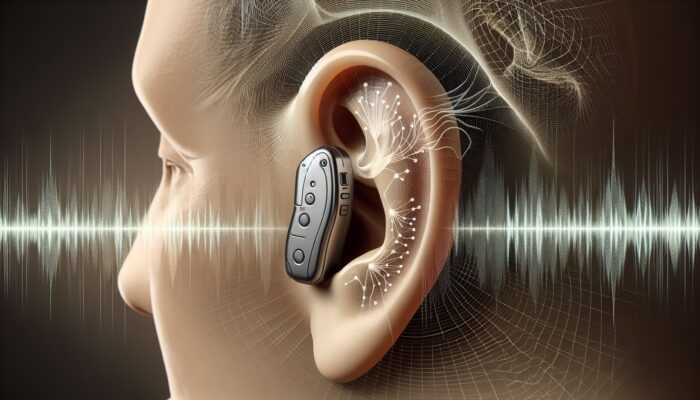
    Sound Waves and Ear Processes: A Comprehensive Guide

    Last Updated on 07/11/2025 by Admin

    Unveiling the Intricate Journey of Sound Waves

    What Are Sound Waves and What Functions Do They Serve?

    Sound waves are complex vibrations that propagate through various mediums such as air, water, and solid materials. These waves exhibit unique characteristics, particularly frequency, which dictates the pitch of the sound, and amplitude, which determines the volume. As sound waves emanate from their source—be it a vibrating vocal cord or a musical instrument—they transmit energy toward a receiver, typically the human ear. The journey of sound waves commences when an object vibrates, creating disturbances in the surrounding medium. These disturbances produce alternating compressions and rarefactions of molecules, generating a wave motion perceptible to living organisms and highlighting the fundamental nature of sound across diverse environments.

    Sound waves can be categorised into two main types: longitudinal and transverse. Longitudinal waves occur when particle displacement aligns parallel to the direction of wave travel, predominantly found in air. Conversely, transverse waves involve particle displacement that is perpendicular to the wave’s direction, primarily observed in mediums such as water. Grasping these wave types is crucial for effective communication, appreciating music, and fostering environmental awareness, underscoring the vital role sound plays in human life across various cultures and regions.

    How Do Sound Waves Enter the Ear and Get Processed?

    Sound waves embark on their essential journey into the ear via the outer ear, setting the foundation for auditory perception. The outer ear consists of two principal structures: the pinna and the ear canal. The pinna, the visible segment of the ear, functions as a funnel, capturing sound waves from the environment and directing them into the ear canal. This entry point is crucial, as the ear canal effectively channels sound waves toward the eardrum, where true auditory processing begins.

    As sound waves traverse the ear canal, they undergo slight amplification due to the canal’s distinctive shape and resonance. This amplification proves vital for detecting softer sounds, emphasising the outer ear’s critical role in the hearing process. Furthermore, the ear canal serves as a protective barrier by obstructing foreign particles and reducing the risk of damage to the fragile inner ear structures. This dual functionality of directing sound and safeguarding hearing highlights the significance of the ear’s anatomy in sound perception, establishing it as a sophisticated system essential for effective communication.

    The Crucial Role of the Ear Canal in Sound Transmission

    The ear canal plays a pivotal role in the auditory process, guiding sound waves toward the eardrum while simultaneously protecting the delicate structures of the inner ear. Measuring approximately 2.5 centimetres in length, the ear canal acts as a conduit that enhances the acoustic properties of incoming sound waves. This modest amplification significantly influences our ability to perceive sounds in various environments, whether in bustling urban areas or serene natural landscapes.

    Moreover, the ear canal houses specialized cells that produce earwax, a substance with multiple protective functions. Earwax traps dirt, debris, and microorganisms, preventing them from accessing the more sensitive components of the inner ear. This natural defence mechanism is critical for sustaining ear health and functionality. The unique design of the ear canal not only facilitates sound transmission but also ensures that our auditory system remains well-protected against potential harm. Key functions of the ear canal include:

    • Funnelling sound waves towards the eardrum
    • Amplifying incoming sound waves
    • Producing earwax to protect against foreign particles
    • Maintaining a suitable environment for ear health

    The Vital Functions of the Outer Ear

    Delving into the Structure of the Outer Ear

    The outer ear comprises two main components: the pinna and the ear canal. The pinna, often referred to as the auricle, is the visible part of the ear that extends outward from the head. Its unique shape and contours are specifically designed to capture sound waves from various directions. The surface of the pinna features ridges and valleys that enhance its sound-collecting capabilities, which are crucial for sound localisation, especially in environments where distinguishing the direction of sounds is vital for communication and survival.

    The ear canal, a tubular structure connecting the outer ear to the middle ear, measures about 2.5 centimetres in length. It features a slight curvature, and its interior is lined with skin containing glands that produce earwax. This elongated structure not only channels sound waves effectively but also helps protect the eardrum from external elements. The combination of the pinna and ear canal creates a sophisticated system that enables both humans and animals to detect and process sounds in their environment efficiently, underscoring the complex anatomy of the ear.

    How Does the Pinna Enhance Sound Detection?

    The pinna plays a significant role in enhancing sound detection through its distinctive anatomical features, which are crucial for interpreting sounds from various angles. Its unique shape allows it to funnel sound waves into the ear canal, improving our ability to hear sounds originating from different directions. This directional sensitivity is vital for spatial awareness and communication, enabling us to accurately locate the source of a sound, which is essential for effective interaction with our environment.

    Several key functions of the pinna contribute to its sound-enhancing capabilities:

    • Collecting sound waves from the surrounding environment
    • Funnelling sound waves into the ear canal
    • Improving localisation of sounds based on their direction
    • Helping to amplify higher frequency sounds, which are critical for understanding speech

    The pinna’s capacity to capture and amplify sound makes it an essential component of the auditory system, particularly in complex acoustic environments. In urban areas, where sounds originate from multiple sources, the pinna assists us in discerning meaningful sounds from background noise, facilitating effective communication and interaction within our surroundings.

    The Protective Role of the Ear Canal in Auditory Health

    The ear canal serves as both a pathway for sound waves and a protective barrier for the delicate structures of the inner ear. One of the primary functions of the ear canal is to produce earwax, or cerumen, which plays a crucial role in safeguarding the ear. This waxy substance traps dirt, debris, and microorganisms that could potentially harm the eardrum and inner ear.

    The structural design of the ear canal further enhances its protective role. The canal’s slight curvature prevents foreign objects from easily reaching the eardrum, while the skin lining contains tiny hairs and specialized glands that promote the natural expulsion of unwanted particles. These features create a conducive environment for hearing while minimising the risk of infections or damage.

    Regular maintenance of ear health is essential, as excessive earwax buildup can lead to blockages that affect hearing. It is important for individuals to understand the delicate balance between maintaining ear hygiene and ensuring that the ear’s protective mechanisms remain intact. The ear canal, with its multifaceted role in sound transmission and protection, is essential for ensuring a functional auditory experience.

    The Middle Ear’s Essential Contributions

    Understanding the Eardrum’s Role in Sound Processing

    The eardrum, commonly known as the tympanic membrane, is a vital component of the middle ear, serving as the initial interface for sound wave transmission. When sound waves travel through the ear canal and strike the eardrum, they induce vibrations. These vibrations correspond to the frequency and amplitude of the incoming sound waves, effectively translating them into mechanical energy that can be processed further.

    The eardrum’s capacity to respond to a wide range of sound frequencies is crucial for effective hearing. Its membrane-like structure is thin yet robust, capable of withstanding significant pressure changes without sustaining damage. The eardrum transmits these vibrations to three tiny bones in the middle ear, known as the ossicles, which amplify the sound before it enters the inner ear. This amplification is essential, enabling the detection of softer sounds that would otherwise go unnoticed. The process of sound transmission through the eardrum marks a critical step in our ability to perceive auditory information.

    What Are the Ossicles and Why Are They Important for Hearing?

    The ossicles are three small bones located in the middle ear, identified as the malleus, incus, and stapes. These bones are critical for amplifying and transmitting sound vibrations from the eardrum to the inner ear. The malleus, commonly known as the hammer, is attached to the eardrum and receives vibrations directly from it. The incus, or anvil, connects the malleus to the stapes, which is the stirrup-shaped bone interfacing with the inner ear.

    The ossicles operate within a lever system, where the movement of one bone influences the others, thereby amplifying sound vibrations. This amplification is vital because it ensures that sound energy is adequately transferred to the cochlea in the inner ear, allowing for effective sound perception. Without the ossicles, the energy from sound waves would be insufficient to stimulate the hair cells in the cochlea, leading to significant hearing loss. Their intricate arrangement and function render the ossicles a remarkable example of biological engineering, essential for the complex process of hearing.

    How Do the Ossicles Efficiently Amplify Sound Waves?

    The ossicles work synergistically to amplify sound vibrations before transferring them to the inner ear. When the eardrum vibrates in response to sound waves, these vibrations are transmitted to the malleus, which subsequently moves the incus and stapes. The ossicles function as a lever system, with the stapes being the smallest of the three bones, playing a crucial role in this amplification process.

    The ossicles amplify sound vibrations through various mechanisms:

    • Lever action: The arrangement of the ossicles creates leverage that increases the force of the vibrations.
    • Area ratio: The eardrum has a larger surface area compared to the oval window (the entry point to the cochlea), concentrating the sound energy.
    • Mechanical coupling: The ossicles create a direct mechanical connection between the eardrum and the inner ear.
    • Protection: The ossicles also help to protect the inner ear from loud sounds through a reflexive stiffening mechanism.

    This remarkable amplification process is critical for our ability to hear faint sounds, such as whispers or distant music, enhancing our auditory experience and interaction with the environment. By efficiently transferring sound energy to the inner ear, the ossicles play an indispensable role in the overall hearing process.

    Expert Insights into How the Ear Processes Sound Waves

    How Does the Middle Ear Protect Hearing?

    The middle ear not only amplifies sound but also plays a protective role in safeguarding the inner ear from potentially damaging noises. Within the middle ear, two small muscles—the tensor tympani and the stapedius—help regulate the movement of the ossicles in response to loud sounds. When exposed to sudden loud noises, these muscles contract reflexively, reducing the vibrations transmitted to the inner ear. This mechanism is essential for protecting the delicate hair cells within the cochlea, which are particularly susceptible to damage from excessive sound pressure.

    Real-world examples of this protective mechanism include situations where individuals find themselves in loud environments, such as concerts or construction sites. The middle ear’s muscles automatically engage to minimise the impact of loud sounds, thereby preventing potential hearing loss. This reflexive action highlights the sophisticated design of the auditory system, enabling us to enjoy sound while safeguarding our hearing.

    Furthermore, this protective feature is beneficial in everyday situations, such as yawning or swallowing. These actions also trigger muscle contractions in the middle ear, further contributing to hearing protection and demonstrating the intricate relationship between bodily functions and auditory health.

    Understanding the Critical Role of the Eustachian Tube in Ear Health

    The Eustachian tube is a critical component of the middle ear, connecting it to the throat. Its primary role is to equalize air pressure on both sides of the eardrum, ensuring optimal functioning during sound transmission. When we swallow, yawn, or chew, the Eustachian tube opens, allowing air to flow into the middle ear and equalize pressure. This equalisation is essential, especially during altitude changes, such as when flying or driving through mountainous regions, where pressure differences can lead to discomfort or even pain.

    The proper functioning of the Eustachian tube is vital for maintaining hearing health. When it fails to open or close appropriately, it can lead to fluid buildup in the middle ear, creating a conducive environment for infections and impacting hearing. This underscores the importance of the Eustachian tube in maintaining overall auditory health, as it directly affects the ear’s ability to operate efficiently in various environmental conditions.

    Furthermore, the Eustachian tube’s role in pressure regulation enhances our ability to enjoy activities like swimming and diving. By facilitating pressure equalisation, it prevents sensations of ear fullness or pain, improving our overall experience in aquatic environments.

    What Complications Arise from Eustachian Tube Malfunction?

    When the Eustachian tube malfunctions, it can lead to various complications affecting hearing and overall ear health. Dysfunction of the Eustachian tube can arise from factors such as allergies, respiratory infections, or anatomical abnormalities. When the tube remains blocked or fails to open properly, it can result in fluid accumulation in the middle ear, leading to a condition known as otitis media, often accompanied by pain and discomfort.

    Common symptoms of Eustachian tube dysfunction include:

    • Ear fullness or pressure
    • Hearing loss or muffled sounds
    • Pain or discomfort in the ear
    • Fluid drainage from the ear
    • Balance issues or dizziness
    • Tinnitus or ringing in the ears

    These symptoms can significantly impact daily life, leading to challenges in communication and engagement with the environment. In more severe cases, untreated Eustachian tube dysfunction can contribute to chronic ear infections or long-term hearing loss. Promptly addressing Eustachian tube issues through medical evaluation and treatment is essential for preserving hearing and maintaining overall ear health.

    How the Inner Ear Converts Sound Waves into Neural Signals

    The inner ear is the site where the intricate process of transforming sound waves into neural signals takes place. The cochlea, a spiral-shaped structure filled with fluid, plays a vital role in this transformation. When sound vibrations transmitted by the ossicles reach the cochlea, they generate waves within the fluid, stimulating the hair cells lining its interior. These hair cells are equipped with tiny hair-like projections called stereocilia, which bend in response to fluid movement.

    As the stereocilia bend, they trigger electrical impulses that travel along the auditory nerve to the brain. This conversion process is crucial for perceiving sounds of varying pitches and volumes. The precise arrangement of hair cells within the cochlea allows for detecting different frequencies, enabling us to distinguish between various sounds, whether they be conversations, music, or environmental noises.

    The transformation of sound waves into electrical signals is a highly efficient process that occurs almost instantaneously. This remarkable capability allows us to interact with our surroundings in real-time, responding to auditory cues that guide our actions, facilitate communication, and enhance our overall sensory experience.

    Exploring the Complex Structure of the Inner Ear

    The Unique Structure of the Cochlea and Its Functions

    The cochlea is a unique, spiral-shaped structure located within the inner ear that plays a pivotal role in hearing. Measuring approximately 30 millimetres in length, it resembles a coiled snail shell. The cochlea is divided into three fluid-filled chambers: the scala vestibuli, scala media, and scala tympani. The scala media contains the organ of Corti, which houses the sensory hair cells essential for sound transduction.

    The cochlea’s intricate design allows it to efficiently convert sound vibrations into neural signals. The fluid within the cochlea moves in response to sound waves, generating waves that travel through the various chambers. This movement stimulates the hair cells, initiating the process of converting mechanical vibrations into electrical impulses that the brain interprets as sound.

    Moreover, the cochlea is equipped with a specialised structure known as the basilar membrane, which plays a critical role in frequency discrimination. Different regions of the basilar membrane vibrate in response to specific sound frequencies, allowing us to perceive a wide range of pitches. This complex structure enables precise auditory processing, making the cochlea a remarkable organ of hearing.

    How Does the Cochlea Transform Sound Waves into Electrical Signals?

    The cochlea converts sound through a series of intricate steps that involve transforming mechanical energy into electrical signals. When sound vibrations from the middle ear reach the cochlea, they create fluid waves within its chambers. This process can be broken down into key steps:

    • Sound waves travel through the oval window, initiating fluid motion within the cochlea.
    • The fluid movement creates pressure changes that traverse the scala vestibuli and scala tympani.
    • As the fluid moves, it causes the basilar membrane to vibrate at specific locations based on the sound frequency.
    • The movement of the basilar membrane bends the stereocilia on the hair cells located in the organ of Corti.
    • This bending triggers the opening of ion channels, resulting in the generation of electrical impulses.
    • The electrical signals are then transmitted via the auditory nerve to the brain for processing.

    These steps illustrate the cochlea’s crucial role in sound perception, showcasing its ability to transform acoustic energy into information that the brain can comprehend. The efficiency and precision of this process are essential for our ability to appreciate and interact with the auditory world.

    The Critical Role of the Vestibular System in Maintaining Balance

    The vestibular system, located near the cochlea within the inner ear, plays a crucial role in maintaining balance and spatial orientation. While its primary function is not directly related to hearing, it works in conjunction with the auditory system to provide a comprehensive sensory experience. The vestibular system consists of three semicircular canals and two otolith organs, which detect changes in head position and motion.

    The semicircular canals are sensitive to rotational movements, while the otolith organs respond to linear accelerations and the effects of gravity. When we move, the fluid within these canals shifts, stimulating hair cells that send signals to the brain regarding our orientation in space. This information is crucial for coordinating movements and maintaining balance, particularly during activities such as walking or running.

    Furthermore, the vestibular system collaborates with the auditory system to enhance our perception of sound in relation to our movements. For instance, when we turn our heads, the vestibular system helps us maintain a stable auditory perspective, allowing us to focus on sounds coming from specific directions. This integration of auditory and vestibular information is essential for effective communication and navigation in our environment, illustrating the complexity of our sensory systems.

    The Pathway of Electrical Signals to the Brain

    How Are Electrical Signals Conveyed to the Brain?

    Once sound waves are converted into electrical signals by the cochlea, these impulses travel along the auditory nerve towards the brain. This nerve, also known as the eighth cranial nerve, carries the information necessary for sound perception. The journey begins at the base of the cochlea, where the hair cells release neurotransmitters in response to the generated electrical signals. These neurotransmitters stimulate the auditory nerve fibres, initiating the transmission of signals to the brain.

    As the electrical signals traverse the auditory nerve, they pass through several key relay stations within the brainstem before arriving at the auditory cortex. This pathway facilitates essential processing, such as sound localization and frequency discrimination. The auditory system is finely tuned to interpret the myriad of sounds we encounter, ranging from spoken language to environmental noises, contributing to our understanding of our surroundings.

    This transmission process is rapid, allowing for nearly instantaneous auditory processing. The brain’s ability to interpret these signals is crucial for communication, social interaction, and responding to environmental cues, emphasising the vital role of the auditory system in our daily lives.

    What Occurs in the Auditory Cortex During Sound Processing?

    The auditory cortex is the region of the brain responsible for processing and interpreting the electrical signals transmitted from the auditory nerve. Located in the temporal lobe, this area decodes the information received, allowing us to recognise and understand sounds. The auditory cortex is organised tonotopically, meaning that different frequencies are processed in specific areas, enabling precise sound discrimination.

    When electrical signals from the auditory nerve reach the auditory cortex, they are translated into recognisable patterns. This processing enables us to perceive various auditory stimuli, from music to speech, and to interpret their meaning. The auditory cortex also plays a role in integrating auditory information with other sensory inputs, enhancing our overall perception of the environment.

    Moreover, the brain’s ability to adapt and reorganise itself based on auditory experiences is remarkable. Neuroplasticity allows the auditory cortex to adjust to changes in hearing capability, such as during language learning or after hearing loss. This adaptability ensures that our auditory processing remains effective, regardless of external circumstances.

    The Brain’s Role in Sound Source Localization

    The brain plays a crucial role in sound localization, which is the ability to determine the direction of a sound source. This process relies on several auditory cues, including timing and intensity differences between the ears. When a sound emanates from one side, the ear closest to the sound receives it slightly earlier and with greater intensity than the opposite ear. The brain interprets these differences to ascertain the sound’s location.

    This intricate process occurs in several brain regions, including the superior olivary complex, which integrates information from both ears to create a spatial map of sounds. By analysing the cues provided by the auditory system, the brain can accurately locate sounds in three-dimensional space, allowing for effective navigation and interaction within our environment.

    Understanding sound localization is vital for communication, as it enables us to focus on specific sounds in noisy environments, such as crowded streets or busy cafes. This ability enhances our capacity for social interaction, making it essential for developing relationships and engaging with the world around us.

    How Does the Brain Analyse Sound Patterns?

    The brain’s processing of sound patterns involves a complex and dynamic interaction that enables us to recognise and appreciate speech and music. When electrical signals from the auditory nerve reach the auditory cortex, the brain analyses various aspects of sound, such as frequency, duration, and intensity. This analysis allows us to distinguish between different sounds and identify familiar patterns.

    For instance, in speech recognition, the brain utilises context, past experiences, and phonetic cues to decode spoken language. This capacity allows us to understand conversations, even in noisy environments. Similarly, the brain’s ability to process music involves recognising melodies, rhythms, and harmonies, contributing to our emotional and aesthetic experiences.

    The integration of sound patterns is not limited to simple recognition; it also involves emotional responses. The brain’s limbic system, which processes emotions, is closely linked to auditory processing areas, explaining why music can evoke powerful feelings and memories. This interplay between sound and emotion highlights the significance of auditory experiences in our daily lives, shaping our perceptions and interactions.

    Common Hearing Issues and Their Underlying Causes

    What Are the Causes of Hearing Loss and Its Types?

    Hearing loss can arise from a multitude of factors that impact the ear’s structures and overall auditory function. The causes of hearing loss are often categorised into three main types: conductive, sensorineural, and mixed. Conductive hearing loss occurs when sound waves cannot effectively travel through the outer ear, middle ear, or eardrum due to blockages or damage. Common causes include earwax buildup, fluid in the middle ear, or perforation of the eardrum.

    Sensorineural hearing loss results from damage to the inner ear, including the cochlea or auditory nerve. This type of hearing loss is frequently caused by age-related degeneration, exposure to loud noises, or hereditary factors. Mixed hearing loss involves a combination of both conductive and sensorineural issues, complicating the auditory process.

    Furthermore, certain medical conditions, such as otosclerosis, acoustic neuroma, or autoimmune diseases, can also contribute to hearing loss. Understanding the underlying causes can aid in developing effective treatment strategies and preventive measures to maintain hearing health.

    Identifying Different Types of Hearing Impairment

    Hearing impairment can manifest in several ways, depending on which part of the ear is affected. The three primary types of hearing impairment are conductive, sensorineural, and mixed hearing loss. Conductive hearing loss occurs when sound waves are obstructed from reaching the inner ear due to complications in the outer or middle ear. This type can often be treated with medical intervention, including surgery or hearing aids.

    Sensorineural hearing loss, conversely, originates from damage to the inner ear or auditory nerve, often resulting in permanent hearing loss. This type is typically associated with aging, noise exposure, or genetic predispositions, making early detection and management crucial for preserving auditory function. Mixed hearing loss entails a combination of both conductive and sensorineural components, necessitating a comprehensive treatment approach.

    Recognising the signs of hearing impairment, such as difficulty understanding speech, requiring increased volume, or avoiding social situations due to hearing challenges, is crucial for timely intervention. Early diagnosis and appropriate treatment can significantly enhance quality of life and communication abilities, ensuring effective interaction within our environment.

    How Can We Safeguard Our Hearing?

    Protecting hearing is essential for maintaining auditory health and preventing hearing loss. Several practical strategies can be employed to safeguard your hearing. One of the most effective methods involves avoiding prolonged exposure to loud noises, which can harm the delicate hair cells in the cochlea. In environments where loud sounds are unavoidable, such as concerts, construction sites, or recreational activities, using ear protection, such as earplugs or noise-canceling headphones, is advisable.

    Additionally, regular hearing tests are vital for monitoring auditory health. These tests can help identify early signs of hearing loss, facilitating timely intervention and management. Maintaining overall ear health through proper hygiene, avoiding inserting objects into the ear canal, and addressing any underlying medical conditions can further enhance hearing preservation.

    Lastly, lifestyle choices, such as reducing exposure to ototoxic medications and maintaining a balanced diet rich in nutrients essential for auditory health, can contribute to long-term hearing protection. By adopting these protective measures, individuals can help safeguard their hearing for years to come, ensuring a better auditory experience throughout life.

    Research-Backed Advantages of Understanding Auditory Processing

    The Paramount Importance of Early Hearing Detection

    Early detection of hearing issues is paramount for ensuring better outcomes, particularly for children. Hearing loss can considerably impact language development, social interactions, and academic performance. To monitor children’s hearing, parents and caregivers can take proactive steps, such as observing for signs of hearing difficulties, including a lack of response to sounds or challenges in understanding speech.

    Regular hearing screenings should be incorporated into paediatric healthcare, especially during routine check-ups. If hearing loss is suspected, comprehensive audiological assessments can determine the nature and extent of the impairment. Early intervention strategies, including hearing aids or therapies, can be implemented to support children in developing effective communication skills and social interactions, ensuring a brighter future for them.

    Recognising the importance of auditory health from a young age fosters a supportive environment that encourages children to thrive academically and socially. By prioritising hearing detection, parents and caregivers can play a vital role in their child’s overall well-being, helping them navigate their world more effectively.

    Exploring Innovations in Hearing Aid Technology

    Recent advancements in hearing aid technology have revolutionised the way individuals with hearing loss experience sound. Modern hearing aids leverage sophisticated technology to enhance sound quality, comfort, and user experience. Features such as digital signal processing, noise reduction, and directional microphones enable hearing aids to adapt to varying acoustic environments, improving speech clarity while minimising background noise.

    Innovations also include Bluetooth connectivity, allowing users to stream audio directly from devices such as smartphones and televisions. This integration expands accessibility to auditory information, improving communication and engagement in daily activities. The miniaturisation of components has led to discreet designs that are more aesthetically pleasing and comfortable to wear, making them more appealing to users.

    Moreover, advancements in artificial intelligence are paving the way for personalised hearing solutions that automatically adjust settings based on the listener’s environment. These developments represent a significant leap forward in hearing technology, enhancing the quality of life for individuals with hearing impairments and enabling them to connect more effectively with their surroundings and loved ones.

    The Profound Impact of Music on Cognitive Function

    Listening to music yields profound effects on the brain, stimulating various areas associated with emotions, memory, and cognitive function. Research has demonstrated that engaging with music can enhance mood, reduce stress, and even improve cognitive abilities. Music therapy, for instance, has been employed to assist individuals with neurological conditions, such as stroke or dementia, promoting emotional well-being and facilitating communication.

    Moreover, music engages multiple brain regions, fostering neuroplasticity, which is the brain’s ability to adapt and reorganise itself. This engagement can lead to improved memory recall, attention, and even fine motor skills, particularly in individuals involved in musical training. The benefits of music extend beyond mere enjoyment, showcasing its therapeutic potential across various aspects of health.

    Real-world examples of music therapy benefits are evident in rehabilitation programmes, where patients utilise music to enhance their recovery processes. The interplay between auditory stimuli and brain function underscores the significance of sound in our lives, emphasising the therapeutic potential of music in promoting overall health and well-being.

    Enhancing Auditory Health Through Daily Practices

    Daily Practices for Preserving Ear Health

    Maintaining ear health necessitates a combination of daily practices that promote both hygiene and protection. Regular cleaning of the outer ear is essential; however, it is crucial to avoid inserting objects into the ear canal, as this can lead to injuries or wax impaction. Instead, gently wiping the outer ear with a soft cloth suffices for hygiene maintenance, ensuring that the ear remains clean without risking damage.

    Avoiding excessive noise exposure is another vital aspect of ear health. Implementing strategies such as wearing ear protection in loud environments and limiting the volume when using headphones or personal audio devices can help preserve hearing. Additionally, taking breaks from prolonged exposure to noise can alleviate stress on the auditory system, promoting a healthier auditory experience.

    Seeking professional care when needed is also important. Regular hearing evaluations can help detect early signs of hearing loss and allow for timely intervention. Maintaining a balanced diet rich in nutrients that support auditory health, such as omega-3 fatty acids and antioxidants, can further enhance overall ear health. These daily practices empower individuals to take proactive steps toward preserving their auditory function, ensuring long-term auditory wellness.

    What Are the Benefits of Regular Hearing Assessments for Auditory Health?

    Regular hearing assessments provide numerous benefits, particularly in the early detection and management of hearing issues. By monitoring auditory health, individuals can identify subtle changes in their hearing abilities, enabling timely intervention that can prevent further deterioration. Early detection is especially crucial for children, as hearing loss can significantly impact language development and social interactions.

    Hearing tests also assist in determining the appropriate treatment options, whether it be hearing aids, cochlear implants, or auditory therapies. Regular assessments allow healthcare professionals to track changes in hearing and adjust treatment plans accordingly, ensuring optimal support for individuals with hearing loss.

    Additionally, regular hearing evaluations contribute to overall health management. The ability to communicate effectively is vital for quality of life, and untreated hearing loss can lead to social isolation and cognitive decline. By prioritising hearing health through regular testing, individuals can improve their communication abilities, social engagement, and overall well-being, enhancing their quality of life.

    The Impact of Nutrition on Auditory Health

    Diet plays a significant role in auditory health, influencing overall ear function and potentially preventing hearing loss. Certain nutrients have been shown to support auditory health, including antioxidants, omega-3 fatty acids, and vitamins. Foods rich in antioxidants, such as fruits and vegetables, help combat oxidative stress that can damage the delicate structures of the ear, promoting overall ear health.

    Omega-3 fatty acids, found in fatty fish, walnuts, and flaxseeds, play a crucial role in maintaining healthy cell membranes and reducing inflammation within the auditory system. Additionally, vitamins such as B12 and D are essential for overall nerve health and may contribute to auditory function, supporting the intricate processes involved in hearing.

    Incorporating a balanced diet that includes these essential nutrients can promote long-term ear health. Moreover, hydration is crucial for maintaining healthy auditory function, as proper fluid balance supports the structures within the ear. By making mindful dietary choices, individuals can enhance their auditory health and potentially reduce the risk of hearing loss over time.

    FAQs About Sound Waves and Hearing Health

    What are sound waves and what functions do they serve?

    Sound waves are vibrations that travel through air or other mediums, characterised by frequency and amplitude, carrying energy from a source to a receiver, such as the human ear.

    How do sound waves enter the ear and get processed?

    Sound waves enter through the outer ear, funneling into the ear canal, where they are directed towards the eardrum for processing and amplification.

    What is the function of the eardrum in hearing?

    The eardrum vibrates in response to sound waves, transmitting these vibrations to the ossicles in the middle ear, which is crucial for effective hearing.

    What are the ossicles and why are they significant?

    The ossicles are three tiny bones in the middle ear—malleus, incus, and stapes—that amplify and transmit sound vibrations to the inner ear, facilitating hearing.

    How does the Eustachian tube function in ear health?

    The Eustachian tube connects the middle ear to the throat, equalising pressure on both sides of the eardrum, which is vital for optimal hearing functionality.

    What are common symptoms of Eustachian tube dysfunction?

    Symptoms may include ear fullness, hearing loss, ear pain, fluid drainage, balance issues, and tinnitus, indicating potential problems with auditory function.

    How does the cochlea convert sound waves into neural signals?

    The cochlea transforms sound vibrations into electrical signals through fluid movement and stimulation of hair cells, which send impulses to the brain for processing.

    What causes hearing loss and what are its types?

    Hearing loss can be caused by damage to ear structures, aging, exposure to loud noise, or genetic factors, and is categorised into conductive, sensorineural, and mixed hearing loss.

    How can hearing be effectively protected?

    Hearing can be protected by avoiding loud noises, using ear protection, maintaining proper ear hygiene, and having regular hearing tests to monitor auditory health.

    What is the importance of early hearing detection for children?

    Early detection of hearing issues can lead to better outcomes, enabling timely interventions that support language and social development in children, fostering their overall growth.

    Explore our world on X!

    The post Ear Processes Sound Waves: Your Essential Guide appeared first on The Microsuction Ear Wax Removal Network.

    The post Ear Processes Sound Waves: Your Essential Guide appeared first on Healthcare Marketing Service.

    Healthcare Remote Monitoring: Innovative UK Solutions

    Unveiling the Transformative Influence of Remote Monitoring in UK Healthcare

    What Constitutes Remote Monitoring and What Mechanisms Drive Its Functionality?

    Remote monitoring in healthcare represents a groundbreaking shift involving the adoption of advanced digital technologies that enable healthcare professionals to oversee patients outside of traditional clinical environments. This innovative methodology significantly enhances the delivery of care while substantially improving patient outcomes. By leveraging a diverse array of technologies, healthcare providers can monitor patient health in real-time, facilitating prompt interventions and optimising the management of chronic conditions. Commonly utilised technologies in remote monitoring include:

    • Wearable devices (such as smartwatches and fitness trackers)
    • Mobile health applications
    • Telehealth platforms
    • Remote patient monitoring (RPM) devices
    • Home diagnostic kits
    • Cloud-based data management systems
    • Artificial intelligence (AI) and machine learning tools
    • Internet of Things (IoT) sensors

    The seamless integration of these technologies empowers healthcare providers to deliver tailored, proactive care while alleviating the pressures experienced by conventional healthcare systems. This approach is pivotal in fostering a more responsive healthcare environment.

    How Has the Landscape of Remote Monitoring Transformed in the UK?

    The evolution of remote monitoring in the UK showcases remarkable technological advancements and significant health policy shifts. Historically, the UK healthcare system has been somewhat reticent in adopting new technologies; however, the last two decades have seen substantial progress in this domain. The journey is marked by key milestones that have shaped its current landscape.

    Significant milestones in this evolution encompass:

    Early 2000s: Initial explorations into telemedicine and remote monitoring technologies.
    2010: Introduction of the “NHS Digital” initiative aimed at embedding technology into healthcare.
    2015: Launch of the NHS Five Year Forward View, establishing a framework for integrating new technologies into care pathways.
    2020: The COVID-19 pandemic accelerated the adoption of remote monitoring, making it a crucial aspect of patient care.
    2021: The NHS acknowledged remote monitoring as an essential element of its post-pandemic recovery strategy.

    These defining moments highlight how remote monitoring has transitioned from a niche application into a fundamental component of the UK’s healthcare framework, demonstrating its importance in modern care delivery.

    What Are the Primary Advantages for Patients and Providers Within the UK Healthcare System?

    Remote monitoring offers a plethora of benefits that enhance patient experiences and operational efficiencies for healthcare providers operating within the UK healthcare system. For patients, this translates into more accessible healthcare options that seamlessly integrate into their daily lives. For healthcare providers, it results in improved operational effectiveness and optimal resource management. The key advantages include:

    • Increased patient engagement and empowerment
    • Reduction in hospital readmissions and emergency visits
    • Enhanced data collection and analysis for personalised care
    • Improved chronic disease management
    • Greater accessibility for patients in remote or underserved areas
    • Cost savings for healthcare providers and systems
    • Efficient allocation of healthcare resources
    • Timely interventions leading to improved health outcomes

    This synergy between patient and provider benefits is critical for establishing a more resilient and responsive healthcare system in the UK, ultimately enhancing the overall quality of care.

    What Obstacles Are Encountered in the Realm of UK Remote Monitoring?

    Despite the numerous benefits, the implementation of remote monitoring in the UK faces several challenges that necessitate addressing to fully realise its potential. Foremost among these challenges are data privacy concerns; the collection and transmission of sensitive health information raise critical issues regarding patient confidentiality and trust. Additionally, the integration of remote monitoring technologies with existing healthcare systems can be complex and resource-intensive.

    Other challenges include:

    Technological literacy: Not all patients are familiar with remote monitoring technologies, which can hinder widespread adoption.
    Funding and resource allocation: Limited financial resources can impede the extensive implementation of remote monitoring solutions.
    Interoperability: Ensuring effective communication between various systems poses a significant challenge.

    Addressing these hurdles requires targeted solutions, including enhancing patient and staff education, investing in secure data management systems, and advocating for policy adjustments that facilitate technological integration throughout the healthcare landscape.

    What Innovations Are Poised to Shape the Future of Remote Monitoring?

    The prospects for remote monitoring in the UK are bright, driven by rapid technological advancements. Innovations such as artificial intelligence (AI) and the Internet of Things (IoT) are set to significantly transform patient care. AI algorithms can analyse vast amounts of patient data to predict health events, while IoT devices collect real-time health metrics, enabling continuous monitoring and timely interventions.

    Key anticipated advancements include:

    Enhanced predictive analytics: AI will generate insights that help anticipate patient needs before they escalate.
    Integration of blockchain technology: This can secure patient data and bolster trust in remote monitoring systems.
    Telehealth evolution: Remote consultations are expected to advance, utilising VR and AR technologies for a more interactive patient experience.
    Personalised medicine: Customising treatment plans based on real-time monitoring data will become increasingly prevalent.

    These innovations promise not only to improve patient outcomes but also to redefine the landscape of healthcare delivery in the UK, ensuring that care is more effective and tailored to individual needs.

    Expert Insights on Progress in Healthcare Remote Monitoring

    What Are the Cutting-Edge Innovations in Remote Monitoring?

    Innovations in remote monitoring technology are continually reshaping the landscape of UK healthcare. Recent developments have focused on improving the accuracy and accessibility of health data, which is vital for effective patient management. A prime example is the use of wearable devices, such as smartwatches and fitness trackers, which continuously monitor vital signs like heart rate and oxygen saturation.

    Another significant advancement is the integration of telehealth platforms that facilitate remote consultations, enabling healthcare professionals to connect with patients in real-time and thus reducing geographical barriers. Innovative mobile health applications now allow patients to log symptoms, access educational resources, and communicate directly with their healthcare teams from the comfort of their own homes.

    Additionally, remote patient monitoring (RPM) devices have been specifically designed for chronic disease management, significantly enhancing patient adherence to treatment plans. These technologies empower patients to take control of their health while providing clinicians with invaluable insights into their patients’ conditions, thereby fostering a collaborative approach to care.

    How Can UK Healthcare Providers Effectively Implement Innovations?

    Successfully implementing new remote monitoring technologies within the UK healthcare framework requires a strategic approach that addresses the unique challenges faced by providers. Key actionable steps include:

    1. Conducting needs assessments: Gaining a comprehensive understanding of the specific needs of the patient population aids in selecting the most appropriate technologies.
    2. Training healthcare staff: Comprehensive training is essential to ensure that staff can effectively utilise new technologies and maximise their advantages.
    3. Establishing partnerships: Collaborating with technology providers can facilitate smoother integration and ongoing support.
    4. Developing patient education programmes: Informing patients about the benefits and functionalities of remote monitoring is crucial for increasing adoption rates.
    5. Pilot testing: Implementing pilot programmes allows healthcare providers to evaluate the effectiveness of new technologies before a full rollout.
    6. Collecting feedback: Ongoing feedback from both staff and patients will guide necessary adjustments and enhancements.

    By undertaking these measures, UK healthcare providers can adeptly navigate the complexities of adopting remote monitoring technologies, thereby significantly enhancing patient care and operational efficiencies.

    What Trends Are Emerging in the Future of UK Remote Monitoring?

    The trajectory of remote monitoring in UK healthcare suggests a future brimming with opportunities. Among the most significant trends is the increasing reliance on AI and machine learning to analyse patient data. This will enable predictive analytics capable of identifying potential health crises, allowing for timely interventions before conditions deteriorate.

    Another anticipated development is the move towards more integrated health systems, wherein remote monitoring technologies communicate seamlessly with electronic health records (EHRs). This integration will create a comprehensive view of patient health and streamline care coordination among various providers, enhancing the overall patient experience.

    Moreover, there is an increasing recognition of the importance of patient-generated health data (PGHD), empowering patients to take a proactive role in managing their health. As policies evolve to support the adoption of these technologies, we can expect to see increased funding and resources directed towards remote monitoring programmes.

    These future trends indicate a dynamic transformation in the healthcare landscape, promising improvements in patient outcomes and operational efficiencies within the UK healthcare system.

    How Does Remote Monitoring Enhance Operational Efficiency in UK Healthcare?

    What Key Processes Are Optimised Through Remote Monitoring?

    Remote monitoring plays a pivotal role in streamlining various healthcare processes within the UK. By facilitating continuous tracking of patient health, it diminishes the need for in-person visits, enabling healthcare providers to manage their time and resources more effectively. The primary processes positively impacted include:

    • Patient intake and assessment procedures
    • Follow-up care and monitoring of chronic conditions
    • Medication management and adherence tracking
    • Emergency triage and decision-making processes
    • Data collection for clinical research and outcomes analysis
    • Patient education and engagement strategies
    • Care coordination among multidisciplinary teams
    • Outcomes measurement and reporting

    These optimised processes contribute to a more efficient healthcare system, enabling providers to deliver timely care while maximising their operational capabilities. The result is a healthcare environment that is more agile and responsive to patient needs.

    What Implications Does Remote Monitoring Have on Healthcare Staff Workload in the UK?

    One of the most significant impacts of remote monitoring is its ability to alleviate the workload of UK healthcare staff. By reducing the necessity for in-person consultations, healthcare professionals can focus their efforts on more critical cases requiring direct interaction. This shift not only enhances job satisfaction among healthcare providers but also improves the quality of care delivered to patients.

    Furthermore, remote monitoring enables healthcare teams to effectively manage larger patient populations. With real-time data readily available, clinicians can prioritise care based on patient needs, thus optimising their time and resources. This efficiency is particularly valuable in managing chronic conditions, where ongoing monitoring is essential yet often challenging to deliver in traditional settings.

    Consequently, the integration of remote monitoring technologies into healthcare workflows can lead to a more balanced and sustainable workload for healthcare professionals, ultimately contributing to a more effective healthcare system.

    What Are the Financial Benefits of Remote Monitoring for the NHS?

    The financial implications of implementing remote monitoring technologies within the UK’s National Health Service (NHS) are noteworthy. By enabling early interventions and reducing hospital readmissions, remote monitoring can yield significant cost savings. For instance, patients monitored at home for chronic conditions such as diabetes or heart disease are less likely to encounter complications that necessitate emergency care or hospitalisation.

    Specific financial impacts on the NHS include:

    Reduction in hospital readmissions: Research indicates that remote monitoring can lead to a decrease in readmission rates by as much as 30%.
    Decreased emergency visits: Patients receiving continuous monitoring and timely interventions are less likely to require urgent care.
    Reduced administrative costs: Streamlined processes mean less time spent on paperwork and more focus on patient care.
    Improved medication adherence: Monitoring can enhance patient adherence to treatment plans, leading to better health outcomes and reduced costs associated with non-compliance.

    Overall, the integration of remote monitoring not only supports improved patient outcomes but also presents a compelling case for cost efficiency within the NHS, aligning with its objectives of sustainability and high-quality care.

    How Does Remote Monitoring Enhance Patient Outcomes in the UK?

    Remote monitoring significantly improves patient outcomes by facilitating timely interventions and providing continuous health tracking. This proactive approach enables healthcare providers to act swiftly, minimising the risk of complications and enhancing the management of chronic conditions. For instance, patients with heart failure can be monitored for fluctuations in weight or blood pressure, prompting immediate action if their condition deteriorates.

    The benefits of remote monitoring extend to:

    Improved disease management: Continuous health data allows for more personalised treatment plans that adapt to the patient’s evolving needs.
    Increased patient engagement: Patients who actively participate in their health monitoring are more likely to adhere to treatment regimens and lifestyle changes.
    Enhanced access to care: Remote monitoring reduces geographical barriers, ensuring that patients in rural or underserved areas receive timely care.
    Better health literacy: As patients interact with remote monitoring technologies, they become more informed about their health, empowering them to take control of their wellbeing.

    Ultimately, the integration of remote monitoring into patient care leads to improved health outcomes, enhanced quality of life, and a more responsive healthcare system in the UK.

    What Role Does Technology Play in Remote Monitoring Within the UK?

    Technology serves as the cornerstone of remote monitoring in the UK, facilitating the collection, analysis, and communication of health data between patients and healthcare providers. The advancement of technologies such as wearable devices, mobile applications, and telehealth platforms has made it feasible for healthcare professionals to continuously and remotely monitor patient health effectively.

    Key contributions of technology to remote monitoring include:

    Data collection: Wearable devices and IoT sensors gather real-time health metrics, enabling continuous monitoring.
    Communication: Telehealth platforms facilitate seamless dialogue between patients and providers, ensuring swift responses to health concerns.
    Data analysis: AI and machine learning algorithms analyse vast quantities of data to provide insights that inform clinical decision-making.
    Remote diagnostics: Home diagnostic kits empower patients to conduct tests, reducing the need for in-person visits and enabling timely responses to health changes.

    The integration of these technologies not only enhances the effectiveness of remote monitoring but also ensures that patients receive comprehensive, personalised care tailored to their unique health needs.

    What Challenges Exist in the Implementation of Remote Monitoring in the UK?

    What Technical Barriers Are Present in the UK Healthcare System?

    The implementation of remote monitoring technology in the UK faces several technical challenges that can hinder its effectiveness. One significant obstacle is connectivity. In regions with inadequate internet access, patients may struggle to engage with remote monitoring technologies, leading to disparities in care and unequal access to essential services.

    Moreover, integrating new technologies with existing healthcare systems can present complexities. Many healthcare providers operate on legacy systems that may not easily interface with modern remote monitoring solutions, complicating data sharing and patient management.

    To overcome these technical barriers, the NHS must invest in enhancing digital infrastructure and ensuring that remote monitoring technologies are compatible with existing systems. Collaborations with technology providers can also facilitate smoother integration and provide ongoing technical support, ensuring that remote monitoring can reach its full potential.

    How Are Regulatory and Compliance Issues Addressed in the UK?

    Navigating the regulatory landscape for remote monitoring in the UK can be intricate, with various compliance requirements to consider. The deployment of digital health technologies must align with data protection regulations, such as the General Data Protection Regulation (GDPR). Ensuring that patient data is collected, stored, and shared securely is crucial for maintaining trust in remote monitoring systems and ensuring patient confidentiality.

    Furthermore, healthcare providers must adhere to guidelines established by regulatory bodies like the Care Quality Commission (CQC) and the National Institute for Health and Care Excellence (NICE). These guidelines dictate the standards for the safe and effective use of remote monitoring technologies, ensuring that patients receive high-quality care.

    To address these regulatory and compliance challenges, healthcare providers must remain informed about the latest regulations and invest in training staff on data protection and compliance best practices. Engaging with legal experts can also ensure that remote monitoring initiatives meet all necessary requirements and maintain the highest standards of care.

    What Factors Influence Acceptance of Remote Monitoring Among Patients and Staff in the UK?

    The success of remote monitoring in the UK is significantly influenced by the acceptance and adoption of technology by both patients and healthcare staff. For patients, apprehensions regarding technology can create barriers to engagement. Many individuals may feel hesitant about using new devices or applications, particularly if they lack technological proficiency or have concerns about their privacy.

    In addition, healthcare staff may resist changes due to concerns regarding the learning curve associated with new technologies or fears of job displacement. Effective communication about the benefits of remote monitoring and its role in enhancing patient care is vital to foster acceptance among both patients and providers.

    To promote buy-in, healthcare providers should implement comprehensive training programmes for staff and develop patient education initiatives that illustrate the advantages of remote monitoring. Encouraging feedback from both groups can also help identify barriers to acceptance and inform strategies for improvement, ultimately enhancing the adoption of these technologies.

    Success Stories Highlighting the Implementation of Remote Monitoring in the UK

    How Is Remote Monitoring Revolutionising Chronic Disease Management in the UK?

    Remote monitoring has proven exceptionally effective in managing chronic diseases within the UK, leading to improved patient outcomes and enhanced quality of life. A notable example lies in the management of diabetes. Several NHS trusts have adopted remote monitoring systems that track blood glucose levels and provide real-time feedback to both patients and clinicians, allowing for more responsive care.

    These systems have enabled healthcare providers to tailor treatment plans based on individual patient data, resulting in improved glycaemic control and a reduction in complications. Patients report feeling more empowered and engaged in their health management, which contributes to greater adherence to treatment regimens and improved health outcomes.

    Similarly, remote monitoring for heart failure patients has yielded promising results. By employing wearable devices that monitor heart rate and fluid levels, healthcare providers can swiftly intervene if patients show signs of deterioration, significantly decreasing the likelihood of hospitalisation and enhancing overall patient safety.

    What Outcomes Have Emerged from Pilot Programs Across the UK?

    Pilot programmes throughout the UK have demonstrated the potential of remote monitoring to enhance healthcare delivery. One initiative, the “NHS Digital Academy,” aimed to equip healthcare professionals with the necessary skills to implement digital health solutions effectively. Results from this programme indicated improved patient engagement and satisfaction, with many participants reporting a greater sense of control over their health.

    Another successful pilot involved the integration of remote monitoring for patients with chronic obstructive pulmonary disease (COPD). By using remote monitoring devices, healthcare teams could monitor patients’ lung function and medication adherence, resulting in a significant reduction in emergency admissions and better management of the condition.

    These pilot programmes exemplify the transformative potential of remote monitoring in the UK, providing valuable data that can inform larger-scale implementations throughout the healthcare system and enhance overall care quality.

    How Have UK Hospitals Successfully Integrated Remote Monitoring into Their Operations?

    Numerous hospitals in the UK have effectively integrated remote monitoring into their operations, resulting in improved patient care and operational efficiency. For example, the Royal Free London NHS Foundation Trust has adopted a remote monitoring programme for patients with respiratory conditions, enabling timely interventions and reducing the need for hospital visits.

    By employing a combination of telehealth consultations and remote monitoring devices, the trust has been able to boost patient satisfaction and enhance treatment outcomes. The incorporation of remote monitoring into preoperative assessments has also streamlined processes within hospitals, allowing medical teams to gather critical information about patients’ health prior to surgery.

    This adjustment has not only improved patient safety but also maximised the utilisation of hospital resources, demonstrating the effectiveness of integrating remote monitoring technologies within UK hospitals. These successful implementations establish a precedent for future initiatives aimed at improving care delivery across the healthcare system.

    Research-Backed Advantages of Advancing Healthcare Remote Monitoring

    What Insights Does UK Research Reveal About Remote Monitoring?

    Research conducted in the UK consistently underscores the numerous benefits of remote monitoring in healthcare. Studies indicate that implementing remote monitoring solutions can lead to substantial improvements in patient outcomes, including reduced hospitalisation rates and enhanced management of chronic diseases.

    For instance, a study published by the NHS found that patients with long-term conditions who utilised remote monitoring reported improved health status and heightened satisfaction compared to those receiving traditional care. The research illustrated that remote monitoring not only empowers patients but also enables healthcare providers to deliver more effective, customised interventions that meet individual needs.

    Moreover, ongoing research initiatives are investigating the long-term effects of remote monitoring on healthcare costs, patient adherence, and overall quality of life. These studies will continue to inform best practices and shape the future trajectory of remote monitoring in the UK, ensuring that innovations are grounded in solid evidence and tailored to improve patient care.

    How Does Remote Monitoring Significantly Impact Patient Outcomes in the UK?

    Numerous studies conducted within the UK have highlighted the substantial impact of remote monitoring on patient outcomes. For example, patients with cardiovascular diseases who participated in remote monitoring programmes experienced shorter hospital stays and fewer complications due to the timely nature of early interventions.

    Additionally, research indicates that diabetes patients using remote monitoring devices achieve better glycaemic control and a lower risk of hospitalisation. This suggests that remote monitoring not only enhances disease management but also improves overall health outcomes, empowering patients to take an active role in their health journeys and fostering a sense of ownership over their well-being.

    As the body of evidence supporting remote monitoring continues to expand, it paves the way for broader adoption and integration into standard healthcare practices across the UK, ultimately benefiting both patients and the healthcare system as a whole.

    What Effects Does Remote Monitoring Have on UK Healthcare Policy?

    The adoption of remote monitoring technologies is significantly influencing healthcare policy in the UK, driving changes in how care is delivered and funded. Policymakers are recognising the critical importance of embedding digital health solutions into mainstream healthcare to enhance efficiency and patient outcomes.

    The NHS Long Term Plan, published in 2019, emphasised the necessity for digital transformation, explicitly calling for the expansion of remote monitoring services. This transition towards telehealth and remote monitoring is anticipated to reshape funding models, moving towards value-based care that prioritises patient outcomes over the quantity of services rendered.

    Furthermore, the growing body of evidence demonstrating the efficacy of remote monitoring is encouraging policymakers to allocate resources towards digital health initiatives, ultimately fostering an environment that supports innovation and improved patient care. This evolution in policy reflects a commitment to enhancing the healthcare landscape in the UK.

    The Future of Remote Monitoring in UK Healthcare

    What Technological Advancements Are on the Horizon for Remote Monitoring in the UK?

    Ongoing technological advancements in the UK are poised to further enhance the capabilities of remote monitoring in healthcare. Innovations in AI, machine learning, and data analytics are paving the way for more sophisticated remote monitoring solutions that can deliver deeper insights into patient health and facilitate more effective interventions.

    For instance, advancements in predictive analytics will enable healthcare providers to more accurately identify trends and potential health risks, facilitating proactive care management that can avert complications before they arise. Additionally, the incorporation of augmented reality (AR) and virtual reality (VR) technologies into remote consultations may offer more immersive patient experiences, improving engagement and understanding of health conditions.

    As these technologies continue to progress, they will redefine the parameters of remote monitoring, ensuring that patients receive timely, personalised care tailored to their unique health needs. This evolution will enhance the overall effectiveness of healthcare delivery in the UK.

    What Policy Changes Can Support the Integration of Remote Monitoring in the UK?

    Future policy changes in the UK could further bolster the incorporation of remote monitoring into the healthcare system. As policymakers increasingly recognise the advantages of digital health solutions, shifts in funding models that prioritise remote monitoring initiatives may occur.

    Expected changes include increased investment in digital health infrastructure, enhanced reimbursement policies for remote monitoring services, and the establishment of clear guidelines that facilitate the safe and effective use of remote monitoring technologies.

    Moreover, as the evidence base for remote monitoring continues to grow, there may be stronger advocacy for regulatory reforms that streamline the approval process for new technologies, ensuring that patients have timely access to the latest innovations and advancements in care.

    These potential policy shifts signify a commitment to cultivating a healthcare environment that embraces innovation and prioritises patient outcomes, ultimately enhancing the quality of care provided throughout the UK.

    How Will Patient Care Evolve in the UK with the Widespread Adoption of Remote Monitoring?

    As remote monitoring becomes more prevalent in the UK, patient care is expected to undergo significant evolution. This transformation will manifest in various ways, including enhanced patient engagement, more personalised care pathways, and improved access to healthcare services for all individuals, regardless of their location.

    Patients will increasingly assume an active role in their health management, utilising remote monitoring technologies to track their progress and communicate effectively with healthcare providers. This shift will foster a collaborative approach to care, with patients and providers working in tandem to achieve optimal health outcomes.

    Additionally, healthcare services will likely become more integrated, utilising data from remote monitoring to inform care decisions across multidisciplinary teams. Consequently, patients can anticipate a more coordinated and holistic approach to their healthcare, ultimately leading to enhanced satisfaction and improved health outcomes in the UK.

    Frequently Asked Questions

    What is remote monitoring in healthcare?

    Remote monitoring in healthcare involves the use of digital technologies to track patients’ health outside traditional clinical settings, thereby improving care delivery and health outcomes.

    How does remote monitoring benefit patients?

    Remote monitoring enhances patient engagement, reduces the frequency of hospital visits, and provides timely interventions, ultimately leading to improved health outcomes.

    What challenges does the UK face with remote monitoring?

    Challenges include concerns about data privacy, difficulties with technology integration, and the necessity for acceptance from both patients and staff.

    What technologies are commonly employed in remote monitoring?

    Common technologies include wearable devices, mobile health applications, telehealth platforms, and IoT sensors for real-time health tracking.

    How can UK healthcare providers implement remote monitoring?

    Providers can implement remote monitoring by conducting needs assessments, training staff, establishing partnerships, and running pilot programmes to evaluate effectiveness.

    What impact does remote monitoring have on healthcare costs?

    Remote monitoring can lead to significant cost savings by decreasing hospital readmissions, emergency visits, and administrative expenses.

    How does remote monitoring enhance chronic disease management?

    By providing continuous health tracking and timely interventions, remote monitoring facilitates more effective management of chronic conditions, resulting in better patient outcomes.

    What role does technology play in remote monitoring?

    Technology enables data collection, analysis, and communication between patients and healthcare providers, enhancing the effectiveness of remote monitoring.

    What are the future trends in remote monitoring?

    Future trends include increased utilisation of AI for predictive analytics, more integrated health systems, and a heightened focus on patient-generated health data.

    How does remote monitoring affect patient care in the UK?

    Remote monitoring is anticipated to lead to more personalised, proactive patient care, empowering individuals to take an active role in their health management.

    The post Healthcare Remote Monitoring: Innovative Solutions in the UK appeared first on Healthcare Marketing Service.

    Sound Waves: Your Essential Guide to Ear Processes

    Last Updated on 07/11/2025 by Admin

    Unveiling the Intriguing Journey of Sound Waves

    What Are Sound Waves and How Do They Operate?

    Sound waves represent complex vibrations that propagate through different mediums, such as air, water, and solid materials. These waves have unique characteristics, particularly frequency, which defines the pitch of the sound, and amplitude, which determines the volume. As sound waves emanate from their origin—like a vibrating vocal cord or a musical instrument—they transmit energy towards a receiver, typically the human ear. The journey of sound waves begins when an object vibrates, creating disturbances in the surrounding medium. This results in alternating compressions and rarefactions of air molecules, generating a wave motion that can be perceived by living beings, showcasing the fundamental role of sound across diverse environments.

    Sound waves can be classified into two main types: longitudinal and transverse. In longitudinal waves, particle displacement occurs in the same direction as wave propagation, primarily observed in air. On the other hand, transverse waves feature particle displacement perpendicular to the wave’s direction and are typically seen in mediums such as water. Grasping these distinctions is crucial for effective communication, music appreciation, and environmental awareness, underscoring the significant impact of sound on human life across various cultures and geographical locations.

    How Do Sound Waves Enter the Ear for Processing?

    Sound waves embark on their essential journey into the ear through the outer ear, laying the groundwork for auditory perception. The outer ear consists of two primary components: the pinna and the ear canal. The pinna, the visible section of the ear, functions like a funnel, capturing sound waves from the environment and guiding them into the ear canal. This entry point is crucial, as the ear canal efficiently channels sound waves towards the eardrum, where auditory processing truly begins.

    As sound waves traverse the ear canal, they undergo slight amplification due to the unique shape and resonance of the canal. This amplification is vital for detecting softer sounds, illustrating the outer ear’s indispensable role in the hearing process. Furthermore, the ear canal acts as a protective barrier, blocking foreign particles and reducing the risk of damage to the sensitive inner ear structures. This dual function of directing sound and safeguarding hearing highlights the importance of the ear’s anatomy in sound perception, rendering it a sophisticated system essential for effective communication.

    The Crucial Function of the Ear Canal in Sound Transmission

    The ear canal serves a pivotal role in the auditory process, directing sound waves towards the eardrum while simultaneously protecting the delicate structures of the inner ear. Measuring approximately 2.5 centimetres in length, the ear canal functions as a conduit that enhances the acoustic properties of incoming sound waves. This slight amplification has a significant effect on our ability to perceive sounds in various environments, be it in busy urban areas or serene natural settings.

    Additionally, the ear canal houses specialized cells that produce earwax, a substance with multiple protective functions. Earwax traps dirt, debris, and microorganisms, preventing them from invading the more sensitive components of the inner ear. This natural defence mechanism is crucial for maintaining ear health and functionality. The distinctive design of the ear canal not only facilitates sound transmission but also ensures our auditory system is well-protected against potential harm. Key functions of the ear canal include:

    • Funneling sound waves towards the eardrum
    • Amplifying incoming sound waves
    • Producing earwax for protection against foreign particles
    • Maintaining a suitable environment for ear health

    The Essential Role of the Outer Ear in Sound Perception

    Exploring the Anatomy of the Outer Ear

    The outer ear comprises two primary components: the pinna and the ear canal. The pinna, often referred to as the auricle, is the visible section of the ear that extends outward from the head. Its unique shape and contours are precisely designed to capture sound waves from various directions. The pinna’s surface features ridges and valleys that enhance its ability to collect sound, which is crucial for sound localization, particularly in situations where discerning the direction of sounds is vital for communication and survival.

    The ear canal, a tubular structure that connects the outer ear to the middle ear, measures about 2.5 centimetres in length and contains a slight curve. Its interior is lined with skin that has glands producing earwax. This elongated structure not only channels sound waves effectively but also protects the eardrum from external elements. Together, the pinna and ear canal form a sophisticated system that enables both humans and animals to detect and process sounds in their environment efficiently, demonstrating the ear’s complex anatomy.

    How Does the Pinna Enhance Sound Detection?

    The pinna significantly improves sound detection through its unique anatomical features, which are essential for interpreting sounds from various angles. Its distinctive shape enables it to funnel sound waves into the ear canal, enhancing our capacity to perceive sounds originating from different directions. This directional sensitivity is vital for spatial awareness and communication, allowing us to accurately pinpoint the source of a sound, which is crucial for effective interactions within our environment.

    Several key functions of the pinna contribute to its sound-enhancing capabilities:

    • Collecting sound waves from the environment
    • Funneling sound waves into the ear canal
    • Improving localization of sounds based on their direction
    • Helping to amplify higher frequency sounds, which are critical for understanding speech

    The pinna’s ability to capture and amplify sound makes it an essential element of the auditory system, particularly in complex acoustic environments. In urban settings, where sounds emerge from multiple sources, the pinna aids in discerning meaningful sounds from background noise, enabling effective communication and interaction within our surroundings.

    The Protective Function of the Ear Canal in Auditory Health

    The ear canal acts as both a conduit for sound waves and a protective barrier for the delicate structures of the inner ear. A primary function of the ear canal is to produce earwax, or cerumen, which is crucial for ear protection. This waxy substance captures dirt, debris, and microorganisms that could potentially harm the eardrum and inner ear.

    The structural design of the ear canal further enhances its protective role. The canal’s slight curvature prevents foreign objects from easily reaching the eardrum, while the lining contains tiny hairs and specialized glands that promote the natural expulsion of unwanted particles. These features create a conducive environment for hearing while minimizing the risk of infections or damage.

    Regular maintenance of ear health is vital, as excessive earwax accumulation can lead to blockages that affect hearing. It is essential for individuals to understand the delicate balance between maintaining ear hygiene and allowing the ear’s protective mechanisms to function effectively. The ear canal, with its multifaceted role in sound transmission and protection, is crucial in ensuring a functional auditory experience.

    The Middle Ear’s Essential Contributions to Hearing

    Understanding the Eardrum’s Role in Sound Processing

    The eardrum, also known as the tympanic membrane, is a critical component of the middle ear, serving as the primary interface for sound wave transmission. When sound waves travel through the ear canal and strike the eardrum, they cause it to vibrate. These vibrations correspond to the frequency and amplitude of the incoming sound waves, effectively converting them into mechanical energy that can be processed further.

    The eardrum’s ability to respond to a wide range of sound frequencies is essential for effective hearing. Its membrane-like structure is thin yet robust, capable of withstanding significant pressure changes without incurring damage. The eardrum transmits these vibrations to three tiny bones in the middle ear, known as the ossicles, which amplify the sound before it enters the inner ear. This amplification is vital, allowing for the detection of softer sounds that would otherwise go unnoticed. The process of sound transmission through the eardrum represents a critical step in our capacity to perceive auditory information.

    What Are the Ossicles and Their Importance in Hearing?

    The ossicles are three small bones situated in the middle ear, identified as the malleus, incus, and stapes. These bones are fundamental for amplifying and transmitting sound vibrations from the eardrum to the inner ear. The malleus, commonly referred to as the hammer, is attached to the eardrum and receives vibrations directly from it. The incus, or anvil, connects the malleus to the stapes, the stirrup-shaped bone that interfaces with the inner ear.

    The ossicles operate within a lever system, where the movement of one bone influences the others, thereby magnifying sound vibrations. This amplification is crucial, ensuring that sound energy is adequately transmitted to the cochlea in the inner ear, enabling effective sound perception. Without the ossicles, the energy from sound waves would be insufficient to stimulate the hair cells in the cochlea, potentially leading to considerable hearing loss. Their intricate arrangement and function exemplify biological engineering, vital for the complex process of hearing.

    How Do the Ossicles Amplify Sound Waves Effectively?

    The ossicles work in unison to amplify sound vibrations before transferring them to the inner ear. When the eardrum vibrates in response to sound waves, these vibrations are transmitted to the malleus, which subsequently moves the incus and stapes. The ossicles operate as a lever system, with the stapes being the smallest of the three bones, playing a pivotal role in this amplification process.

    The ossicles amplify sound vibrations through several mechanisms:

    • Lever action: The arrangement of the ossicles creates leverage that increases the force of the vibrations.
    • Area ratio: The eardrum has a larger surface area compared to the oval window (the entry point to the cochlea), concentrating the sound energy.
    • Mechanical coupling: The ossicles create a direct mechanical connection between the eardrum and the inner ear.
    • Protection: The ossicles also help to shield the inner ear from loud sounds through a reflexive stiffening mechanism.

    This remarkable amplification process is essential for our ability to hear faint sounds, such as whispers or distant music, enhancing our auditory experience and interaction with the environment. By efficiently transferring sound energy to the inner ear, the ossicles play an indispensable role in the overall hearing process.

    Expert Insights on the Ear’s Processing of Sound Waves

    How Does the Middle Ear Protect Hearing?

    The middle ear not only serves to amplify sound but also plays a protective role in safeguarding the inner ear from potentially damaging noises. Within the middle ear, two small muscles—the tensor tympani and the stapedius—help regulate the movement of the ossicles in response to loud sounds. When exposed to sudden loud noises, these muscles contract reflexively, reducing the vibrations transmitted to the inner ear. This mechanism is vital for protecting the delicate hair cells within the cochlea, which are particularly vulnerable to damage from excessive sound pressure.

    Real-world examples of this protective mechanism include instances where individuals are subjected to loud environments, such as concerts or construction sites. The middle ear’s muscles automatically engage to mitigate the impact of loud sounds, thereby preventing potential hearing loss. This reflexive action underscores the sophisticated design of the auditory system, allowing us to enjoy sound while safeguarding our hearing.

    Furthermore, this protective feature can be beneficial in everyday situations, such as during yawning or swallowing. These actions also trigger muscle contractions in the middle ear, further contributing to hearing protection and illustrating the intricate relationship between bodily functions and auditory health.

    Understanding the Role of the Eustachian Tube in Ear Health

    The Eustachian tube is a vital component of the middle ear, connecting it to the throat. Its primary function is to equalize air pressure on both sides of the eardrum, ensuring optimal functioning during sound transmission. When we swallow, yawn, or chew, the Eustachian tube opens, allowing air to flow into the middle ear and balancing pressure. This equalization is particularly important during altitude changes, such as when flying or driving through mountainous regions, where pressure differences can result in discomfort or even pain.

    The proper functioning of the Eustachian tube is critical for maintaining hearing health. When it fails to open or close correctly, it can lead to fluid accumulation in the middle ear, creating an environment conducive to infections and affecting hearing. This highlights the importance of the Eustachian tube in maintaining overall auditory health, as it directly impacts the ear’s ability to operate efficiently in various environmental conditions.

    Moreover, the Eustachian tube’s role in pressure regulation contributes to our enjoyment of activities such as swimming and diving. By facilitating pressure equalization, it prevents sensations of ear fullness or pain, enhancing our overall experiences in aquatic environments.

    What Complications Arise When the Eustachian Tube Malfunctions?

    When the Eustachian tube malfunctions, it can lead to various complications affecting hearing and overall ear health. Dysfunction of the Eustachian tube can result from factors such as allergies, respiratory infections, or anatomical abnormalities. When the tube remains blocked or fails to open properly, it can result in fluid accumulation in the middle ear, leading to a condition known as otitis media, often accompanied by pain and discomfort.

    Common symptoms of Eustachian tube dysfunction include:

    • Ear fullness or pressure
    • Hearing loss or muffled sounds
    • Pain or discomfort in the ear
    • Fluid drainage from the ear
    • Balance issues or dizziness
    • Tinnitus or ringing in the ears

    These symptoms can significantly impact daily life, leading to challenges in communication and engagement with the environment. In more severe cases, untreated Eustachian tube dysfunction can contribute to chronic ear infections or long-term hearing loss. Promptly addressing Eustachian tube issues through medical evaluation and treatment is essential for preserving hearing and maintaining overall ear health.

    How the Inner Ear Converts Sound Waves into Neural Signals

    The inner ear is where the intricate process of converting sound waves into neural signals takes place. The cochlea, a spiral-shaped structure filled with fluid, plays a crucial role in this transformation. When sound vibrations transmitted by the ossicles reach the cochlea, they create waves within the fluid, stimulating the hair cells lining its interior. These hair cells are equipped with tiny hair-like projections known as stereocilia, which bend in response to fluid movement.

    As the stereocilia bend, they generate electrical impulses that travel along the auditory nerve to the brain. This conversion process is vital for our ability to perceive sounds of varying pitches and volumes. The precise arrangement of hair cells within the cochlea allows for the detection of different frequencies, enabling us to distinguish between various sounds, whether it be conversation, music, or environmental noises.

    The transformation of sound waves into electrical signals is a highly efficient process that occurs almost instantaneously. This remarkable capability allows us to interact with our surroundings in real-time, responding to auditory cues that guide our actions, facilitate communication, and enhance our overall sensory experience.

    Exploring the Complex Anatomy of the Inner Ear

    The Unique Structure of the Cochlea and Its Function

    The cochlea is a distinctive, spiral-shaped structure located within the inner ear that plays a pivotal role in hearing. Measuring about 30 millimetres in length, it resembles a coiled snail shell. The cochlea is divided into three fluid-filled chambers: the scala vestibuli, scala media, and scala tympani. The scala media houses the organ of Corti, which contains the sensory hair cells essential for sound transduction.

    The cochlea’s intricate design enables it to efficiently convert sound vibrations into neural signals. The fluid within the cochlea moves in response to sound waves, generating waves that travel through the various chambers. This movement stimulates the hair cells, initiating the conversion of mechanical vibrations into electrical impulses that the brain interprets as sound.

    Additionally, the cochlea is equipped with a specialized structure known as the basilar membrane, which plays a critical role in frequency discrimination. Different regions of the basilar membrane vibrate in response to specific sound frequencies, allowing us to perceive a wide range of pitches. This complex anatomy facilitates precise auditory processing, making the cochlea a remarkable organ of hearing.

    How Does the Cochlea Convert Sound Waves into Electrical Signals?

    The cochlea converts sound through a series of intricate steps that involve transforming mechanical energy into electrical signals. When sound vibrations from the middle ear reach the cochlea, they create fluid waves within its chambers. This process can be broken down into key steps:

    • Sound waves travel through the oval window, initiating fluid motion within the cochlea.
    • The fluid movement creates pressure changes that travel through the scala vestibuli and scala tympani.
    • As the fluid moves, it causes the basilar membrane to vibrate at specific locations based on the sound frequency.
    • The movement of the basilar membrane bends the stereocilia on the hair cells located in the organ of Corti.
    • This bending triggers the opening of ion channels, resulting in the generation of electrical impulses.
    • The electrical signals are then transmitted via the auditory nerve to the brain for processing.

    These steps illustrate the cochlea’s essential role in sound perception, showcasing its ability to transform acoustic energy into information that the brain can understand. The efficiency and precision of this process are crucial for our ability to appreciate and engage with the auditory world.

    The Critical Role of the Vestibular System in Maintaining Balance

    The vestibular system, located near the cochlea within the inner ear, plays a critical role in maintaining balance and spatial orientation. While its primary function is not directly related to hearing, it works in conjunction with the auditory system to provide a comprehensive sensory experience. The vestibular system comprises three semicircular canals and two otolith organs, which detect changes in head position and motion.

    The semicircular canals are sensitive to rotational movements, while the otolith organs respond to linear accelerations and the effects of gravity. When we move, the fluid within these canals shifts, stimulating hair cells that send signals to the brain regarding our orientation in space. This information is vital for coordinating movements and maintaining balance, particularly during activities such as walking or running.

    Furthermore, the vestibular system collaborates with the auditory system to enhance our perception of sound in relation to our movements. For example, when we turn our heads, the vestibular system helps us maintain a stable auditory perspective, allowing us to concentrate on sounds coming from specific directions. This integration of auditory and vestibular information is essential for effective communication and navigating our environment, illustrating the complexity of our sensory systems.

    The Pathway of Electrical Signals to the Brain

    How Are Electrical Signals Transmitted to the Brain?

    Once sound waves are transformed into electrical signals by the cochlea, these impulses travel along the auditory nerve towards the brain. This nerve, also known as the eighth cranial nerve, carries the information necessary for sound perception. The journey begins at the base of the cochlea, where the hair cells release neurotransmitters in response to the generated electrical signals. These neurotransmitters activate the auditory nerve fibres, initiating the transmission of signals to the brain.

    As the electrical signals traverse along the auditory nerve, they pass through several key relay stations within the brainstem before reaching the auditory cortex. This pathway allows for essential processing, such as sound localization and frequency discrimination. The auditory system is finely tuned to interpret the myriad of sounds we encounter, from spoken language to environmental noises, contributing to our understanding of our surroundings.

    This transmission process occurs rapidly, allowing for nearly instantaneous auditory processing. The brain’s capacity to interpret these signals is crucial for communication, social interaction, and responding to environmental cues, emphasizing the vital role of the auditory system in our daily lives.

    What Happens in the Auditory Cortex During Sound Processing?

    The auditory cortex is the region of the brain responsible for processing and interpreting the electrical signals transmitted from the auditory nerve. Located in the temporal lobe, this area decodes the information received, allowing us to recognise and understand sounds. The auditory cortex is organized tonotopically, meaning that different frequencies are processed in specific areas, facilitating precise sound discrimination.

    When electrical signals from the auditory nerve reach the auditory cortex, they are translated into recognizable patterns. This processing enables us to perceive various auditory stimuli, from music to speech, and comprehend their meaning. The auditory cortex also integrates auditory information with other sensory inputs, enhancing our overall perception of the environment.

    Moreover, the brain’s ability to adapt and reorganise itself based on auditory experiences is remarkable. Neuroplasticity allows the auditory cortex to adjust to changes in hearing capability, such as during language learning or following hearing loss. This adaptability ensures that our auditory processing remains effective, regardless of external circumstances.

    The Brain’s Role in Locating Sound Sources

    The brain plays a crucial part in sound localization, which is the ability to ascertain the direction of a sound source. This process relies on several auditory cues, including timing and intensity differences between the ears. When a sound originates from one side, the ear closest to the sound receives it slightly earlier and with greater intensity than the opposite ear. The brain interprets these differences to determine the sound’s location.

    This intricate process occurs in various brain regions, including the superior olivary complex, which integrates information from both ears to create a spatial map of sounds. By analysing the cues provided by the auditory system, the brain can accurately locate sounds in three-dimensional space, enabling effective navigation and interaction within our environment.

    Understanding sound localization is essential for communication, as it allows us to focus on specific sounds in noisy environments, such as crowded streets or busy cafes. This ability enhances our capacity for social interaction, making it critical for developing relationships and engaging with the world around us.

    How Does the Brain Analyse Sound Patterns?

    The brain’s processing of sound patterns involves a complex and dynamic interaction that enables us to recognise and appreciate speech and music. When electrical signals from the auditory nerve reach the auditory cortex, the brain analyses various aspects of sound, such as frequency, duration, and intensity. This analysis allows us to differentiate between different sounds and identify familiar patterns.

    For instance, in speech recognition, the brain utilises context, past experiences, and phonetic cues to decode spoken language. This capacity allows us to understand conversations, even in noisy surroundings. Similarly, the brain’s ability to process music involves recognising melodies, rhythms, and harmonies, contributing to our emotional and aesthetic experiences.

    The integration of sound patterns extends beyond mere recognition; it also evokes emotional responses. The brain’s limbic system, which processes emotions, is closely linked to auditory processing areas, explaining why music can elicit powerful feelings and memories. This interplay between sound and emotion underscores the significance of auditory experiences in our daily lives, shaping our perceptions and interactions.

    Common Hearing Issues and Their Causes

    What Causes Hearing Loss and What Are Its Types?

    Hearing loss can arise from various factors affecting the ear’s structures and overall auditory function. The causes of hearing loss are often classified into three main types: conductive, sensorineural, and mixed. Conductive hearing loss occurs when sound waves cannot travel effectively through the outer ear, middle ear, or eardrum due to blockages or damage. Common causes include earwax buildup, fluid in the middle ear, or perforation of the eardrum.

    Sensorineural hearing loss originates from damage to the inner ear, including the cochlea or auditory nerve. This type of hearing loss is often caused by age-related degeneration, exposure to loud noises, or genetic factors. Mixed hearing loss involves a combination of both conductive and sensorineural issues, complicating the auditory process.

    Moreover, certain medical conditions, such as otosclerosis, acoustic neuroma, or autoimmune diseases, can contribute to hearing loss. Understanding the underlying causes aids in developing effective treatment strategies and preventive measures to maintain hearing health.

    Identifying Types of Hearing Impairment

    Hearing impairment can present in various forms, depending on which part of the ear is affected. The three main types of hearing impairment are conductive, sensorineural, and mixed hearing loss. Conductive hearing loss occurs when sound waves are obstructed from reaching the inner ear due to issues in the outer or middle ear. This type can often be treated with medical interventions, such as surgery or hearing aids.

    Sensorineural hearing loss, conversely, originates from damage to the inner ear or auditory nerve, often resulting in permanent hearing loss. This type is typically associated with aging, noise exposure, or genetic predispositions, making early detection and management crucial for preserving auditory function. Mixed hearing loss involves a combination of both conductive and sensorineural components, necessitating a comprehensive treatment approach.

    Recognising the signs of hearing impairment, such as difficulty understanding speech, needing increased volume, or avoiding social situations due to hearing challenges, is essential for timely intervention. Early diagnosis and appropriate treatment can significantly enhance quality of life and communication abilities, ensuring effective interaction within our environment.

    How Can We Protect Our Hearing?

    Protecting hearing is vital for maintaining auditory health and preventing hearing loss. Several practical strategies can be employed to safeguard your hearing. One of the most effective methods involves avoiding prolonged exposure to loud sounds, which can damage the delicate hair cells in the cochlea. In environments where loud sounds are unavoidable, such as concerts, construction sites, or recreational activities, using ear protection, such as earplugs or noise-cancelling headphones, is advisable.

    Moreover, regular hearing tests are essential for monitoring auditory health. These assessments can help identify early signs of hearing loss, allowing for timely intervention and management. Maintaining overall ear health through proper hygiene, avoiding inserting objects into the ear canal, and addressing any underlying medical conditions can further enhance hearing preservation.

    Lastly, lifestyle choices, such as reducing exposure to ototoxic medications and maintaining a balanced diet rich in nutrients essential for auditory health, can contribute to long-term hearing protection. By adopting these protective measures, individuals can help safeguard their hearing for years to come, ensuring a better auditory experience throughout life.

    Research-Backed Benefits of Understanding Auditory Processing

    The Critical Importance of Early Hearing Detection

    Early detection of hearing issues is crucial for ensuring better outcomes, particularly for children. Hearing loss can profoundly impact language development, social interactions, and academic performance. To monitor children’s hearing, parents and caregivers can take proactive steps, such as observing for signs of hearing difficulties, like not responding to sounds or struggling to understand speech.

    Regular hearing screenings should be an integral part of paediatric healthcare, especially during routine check-ups. If hearing loss is suspected, comprehensive audiological assessments can determine the nature and extent of the impairment. Early intervention strategies, including hearing aids or therapies, can be implemented to support children in developing effective communication skills and social interactions, ensuring a brighter future for them.

    Recognizing the significance of auditory health from an early age fosters a supportive environment that encourages children to thrive academically and socially. By prioritising hearing detection, parents and caregivers can play a vital role in their child’s overall well-being, helping them navigate their world more effectively.

    Exploring Advances in Hearing Aid Technology

    Recent advancements in hearing aid technology have transformed the way individuals with hearing loss experience sound. Modern hearing aids employ sophisticated technology to enhance sound quality, comfort, and user experience. Features such as digital signal processing, noise reduction, and directional microphones allow hearing aids to adapt to varying acoustic environments, improving speech clarity while minimising background noise.

    Innovations also include Bluetooth connectivity, enabling users to stream audio directly from devices like smartphones and televisions. This integration expands accessibility to auditory information, enhancing communication and engagement in daily activities. The miniaturisation of components has resulted in discreet designs that are aesthetically pleasing and comfortable to wear, making them more appealing to users.

    Furthermore, advancements in artificial intelligence are paving the way for personalised hearing solutions that automatically adjust settings based on the listener’s environment. These developments represent a significant leap forward in hearing technology, enhancing the quality of life for individuals with hearing impairments and enabling them to connect more effectively with their surroundings and loved ones.

    The Profound Impact of Music on Brain Function

    Listening to music has significant effects on the brain, stimulating various areas associated with emotions, memory, and cognitive function. Research has demonstrated that engaging with music can improve mood, reduce stress, and even enhance cognitive abilities. Music therapy, for instance, has been employed to assist individuals with neurological conditions, such as stroke or dementia, promoting emotional well-being and facilitating communication.

    Moreover, music engages multiple brain regions, fostering neuroplasticity, which is the brain’s ability to adapt and reorganise itself. This engagement can lead to improved memory recall, attention, and even fine motor skills, particularly in individuals involved in musical training. The benefits of music extend beyond mere enjoyment, highlighting its therapeutic potential across various aspects of health.

    Real-world examples of music therapy benefits are evident in rehabilitation programmes, where patients use music to enhance their recovery processes. The interplay between auditory stimuli and brain function underscores the significance of sound in our lives, emphasising the therapeutic potential of music in promoting overall health and well-being.

    Enhancing Auditory Health Through Daily Practices

    Daily Practices for Maintaining Ear Health

    Maintaining ear health requires a combination of daily practices that promote both hygiene and protection. Regular cleaning of the outer ear is essential; however, it is crucial to avoid inserting objects into the ear canal, as this can lead to injuries or wax impaction. Instead, gently wiping the outer ear with a soft cloth suffices for hygiene maintenance, ensuring that the ear remains clean without risking damage.

    Avoiding excessive noise exposure is another vital aspect of ear health. Implementing strategies such as wearing ear protection in loud environments and limiting the volume when using headphones or personal audio devices can help preserve hearing. Additionally, taking breaks from prolonged exposure to noise can alleviate stress on the auditory system, promoting a healthier auditory experience.

    Seeking professional care when needed is equally important. Regular hearing evaluations can help detect early signs of hearing loss and allow for timely intervention. Maintaining a balanced diet rich in nutrients that support auditory health, such as omega-3 fatty acids and antioxidants, can further enhance overall ear health. These daily practices empower individuals to take proactive steps toward preserving their auditory function, ensuring long-term auditory wellness.

    What Are the Benefits of Regular Hearing Tests for Auditory Health?

    Regular hearing tests provide numerous benefits, particularly in the early detection and management of hearing issues. By monitoring auditory health, individuals can identify subtle changes in their hearing abilities, enabling timely intervention that can prevent further deterioration. Early detection is especially crucial for children, as hearing loss can significantly impact language development and social interactions.

    Hearing tests also assist in determining the appropriate treatment options, whether it be hearing aids, cochlear implants, or auditory therapies. Regular assessments enable healthcare professionals to track changes in hearing and adjust treatment plans accordingly, ensuring optimal support for individuals with hearing loss.

    Additionally, regular hearing evaluations contribute to overall health management. The ability to communicate effectively is vital for quality of life, and untreated hearing loss can lead to social isolation and cognitive decline. By prioritising hearing health through regular testing, individuals can enhance their communication abilities, social engagement, and overall well-being, significantly improving their quality of life.

    The Impact of Diet on Auditory Health

    Diet plays a significant role in auditory health, impacting overall ear function and potentially preventing hearing loss. Certain nutrients have been shown to support auditory health, including antioxidants, omega-3 fatty acids, and vitamins. Foods rich in antioxidants, such as fruits and vegetables, help combat oxidative stress that can damage the delicate structures of the ear, promoting overall ear health.

    Omega-3 fatty acids, found in fatty fish, walnuts, and flaxseeds, play a crucial role in maintaining healthy cell membranes and reducing inflammation within the auditory system. Additionally, vitamins such as B12 and D are essential for overall nerve health and may contribute to auditory function, supporting the intricate processes involved in hearing.

    Incorporating a balanced diet that includes these essential nutrients can promote long-term ear health. Moreover, hydration is critical for maintaining healthy auditory function, as proper fluid balance supports the structures within the ear. By making mindful dietary choices, individuals can enhance their auditory health and potentially reduce the risk of hearing loss over time.

    FAQs About Sound Waves and Hearing Health

    What are sound waves and how do they operate?

    Sound waves are vibrations that travel through air or other mediums, characterised by frequency and amplitude, carrying energy from a source to a receiver, such as the human ear.

    How do sound waves enter the ear for processing?

    Sound waves enter through the outer ear, funneling into the ear canal, where they are directed towards the eardrum for processing and amplification.

    What is the function of the eardrum in hearing?

    The eardrum vibrates in response to sound waves, transmitting these vibrations to the ossicles in the middle ear, which is crucial for effective hearing.

    What are the ossicles and their significance?

    The ossicles are three tiny bones in the middle ear—malleus, incus, and stapes—that amplify and transmit sound vibrations to the inner ear, facilitating hearing.

    How does the Eustachian tube function in ear health?

    The Eustachian tube connects the middle ear to the throat, equalising pressure on both sides of the eardrum, which is vital for optimal hearing functionality.

    What are common symptoms of Eustachian tube dysfunction?

    Symptoms may include ear fullness, hearing loss, ear pain, fluid drainage, balance issues, and tinnitus, indicating potential problems with auditory function.

    How does the cochlea convert sound waves into neural signals?

    The cochlea transforms sound vibrations into electrical signals through fluid movement and stimulation of hair cells, which send impulses to the brain for processing.

    What causes hearing loss and what are its types?

    Hearing loss can be caused by damage to ear structures, aging, exposure to loud noise, or genetic factors and is categorised into conductive, sensorineural, and mixed hearing loss.

    How can hearing be effectively protected?

    Hearing can be protected by avoiding loud noises, using ear protection, maintaining proper ear hygiene, and having regular hearing tests to monitor auditory health.

    What is the importance of early hearing detection for children?

    Early detection of hearing issues can lead to better outcomes, enabling timely interventions that support language and social development in children, fostering their overall growth.

    Explore our world on X!

    The post Ear Processes Sound Waves: Your Essential Guide appeared first on The Microsuction Ear Wax Removal Network.

    Patient Records Management for Effective Medical Data Entry

    In the vibrant and swiftly changing realm of healthcare, the meticulous and accurate management of patient records is crucial for facilitating the seamless transfer of medical data. The proficient management of patient records acts as a cornerstone of medical data entry, ensuring that healthcare providers can access complete and up-to-date information about their patients. This article delves into the importance of patient records management and presents key strategies for successful data entry.

    Exploring the Critical Importance of Patient Records Management

    1. Delivering Holistic Patient Care: Patient records encompass a wealth of essential information, including medical history, medications, allergies, test results, and treatment plans. By diligently upholding precise and current patient records, healthcare professionals can provide comprehensive care and make informed decisions regarding diagnoses and treatments.
    • A detailed patient record not only outlines the present medical condition but also captures the complete medical history of the patient. This extensive information equips healthcare professionals with invaluable insights into the patient’s health, allowing them to observe trends, identify potential risks, and create personalised treatment plans tailored to individual needs.
    • Timely and accurate patient records empower healthcare providers to avert medical errors, such as prescribing medications that may adversely interact with existing drugs or allergies. With a thorough understanding of the patient’s medical background, healthcare professionals can ensure optimal treatment outcomes while minimising the risk of harmful reactions.
    • Furthermore, patient records play a pivotal role in preventive care. By analysing historical test results and the patient’s medical history, healthcare providers can identify early warning signs, recommend necessary screenings, and implement preventive measures to uphold the patient’s overall health and well-being.
    1. Guaranteeing Continuity of Care: The effective management of patient records ensures the continuity of care by enabling various healthcare providers to access the same patient’s information. This is particularly vital when patients receive treatment from multiple specialists or transition between different healthcare facilities. Accurate and easily accessible records allow healthcare professionals to understand a patient’s medical history, thereby reducing the potential for errors and improving the quality of care.
    • Seamless continuity of care requires the availability of complete and precise patient records across varied healthcare settings. When patients switch providers or consult specialists, having a comprehensive medical history readily accessible empowers healthcare professionals to make informed decisions and provide consistent care.
    • Patient records also enhance effective communication among healthcare providers, guaranteeing that essential information is shared promptly and accurately. This collaborative approach not only diminishes the duplication of tests but also fosters treatment coordination and improves overall patient outcomes.
    • In emergency situations, immediate access to patient records can be crucial for saving lives. Healthcare professionals can quickly retrieve vital information, such as allergies, ongoing treatments, and previous surgeries, enabling them to make informed decisions and provide timely interventions.
    1. Optimising Workflow for Maximum Efficiency: An organised patient records management system significantly enhances workflow efficiency within healthcare facilities. With well-kept records, healthcare professionals can quickly locate and retrieve essential information, substantially reducing delays in diagnosis, treatment, and decision-making processes. This heightened efficiency ultimately results in improved patient outcomes and optimal resource utilisation.
    • Streamlined data entry and record management considerably cut down the time spent searching for patient information. By employing standardised templates and forms, healthcare professionals can rapidly capture and update relevant data, ensuring that records remain thorough and easily accessible.
    • A well-structured filing system, whether physical or electronic, allows healthcare providers to find patient records without unnecessary delay. By categorising records according to patient name, medical history, or other relevant criteria, healthcare professionals can navigate through the records efficiently, leading to quicker diagnosis and the initiation of treatment.
    • By enhancing workflow through effective patient records management, healthcare facilities can optimise resource utilisation. Reducing administrative burdens frees up healthcare professionals to devote more time to direct patient care, thereby increasing patient satisfaction and overall healthcare delivery.
    1. Complying with Legal and Regulatory Standards: Maintaining accurate and complete patient records is essential for legal and compliance purposes. Healthcare providers must adhere to various regulations, such as the Health Insurance Portability and Accountability Act (HIPAA) in the United States, which mandates the protection of patient privacy and the security of medical information. Failing to comply with these regulations can result in severe penalties and legal consequences.
    • Adhering to legal and privacy regulations is vital for building patient trust and maintaining the integrity of healthcare systems. Patient records contain sensitive and confidential information that must be safeguarded against unauthorised access, breaches, or potential cyber threats.
    • Healthcare facilities must implement robust security measures, including encryption techniques, access controls, and regular data backups, to protect patient data from potential breaches. Furthermore, staff should receive ongoing training on privacy regulations and the importance of maintaining patient confidentiality.
    • By complying with legal and compliance requirements, healthcare providers demonstrate their commitment to patient privacy and establish a foundation of trust with their patients. This trust is essential for nurturing long-term relationships and ensuring patient cooperation throughout their healthcare journey.

    Essential Strategies for Optimising Patient Records Management

    A modern healthcare office with digital screens showing patient records and neatly arranged physical files.
    1. Establishing Standardisation and Organisation: Creating standardised templates and forms for patient records promotes consistency and facilitates smooth data entry. Healthcare facilities should develop a structured filing system that categorises records by patient name, medical history, and other relevant criteria. Additionally, embracing electronic health record (EHR) systems can streamline data entry and enhance overall record management.
    • Standardised templates and forms provide a uniform framework for patient records, making it easier for healthcare professionals to capture and interpret data consistently. These templates can include sections for demographics, medical history, medications, allergies, and other critical information, ensuring that no essential data is overlooked during data entry.
    • A well-organised filing system, whether physical or electronic, facilitates efficient organisation and retrieval of patient records. By categorising records based on patient name, medical condition, or visit date, healthcare professionals can swiftly locate specific records, minimising the time spent on administrative tasks.
    • The adoption of electronic health record (EHR) systems offers numerous benefits for managing patient records. EHRs provide a centralised platform for data entry, storage, and retrieval, eliminating the need for physical paperwork. They also enable seamless sharing of patient information among healthcare providers, thereby ensuring continuity of care.
    1. Emphasising Data Accuracy and Timeliness: Accurate and timely data entry is vital for effective patient records management. Healthcare professionals should prioritise entering information promptly to guarantee that records reflect the latest patient encounters. Conducting regular audits and quality checks aids in identifying and rectifying any errors or inconsistencies in the data, thereby ensuring its reliability and integrity.
    • Prompt and precise data entry is essential for maintaining the integrity of patient records. Healthcare professionals should strive to document patient encounters, diagnoses, treatments, and any relevant updates as soon as possible, ensuring that the information remains accurate and current.
    • Regular audits and quality checks are crucial for identifying and correcting any errors or inconsistencies in patient records. These audits may involve cross-referencing recorded information with actual patient encounters, conducting data validation checks, and ensuring compliance with documentation standards.
    • Healthcare providers should focus on continuous training and education for data entry staff to enhance their understanding of data accuracy and the importance of timely documentation. This ongoing educational approach guarantees that healthcare professionals stay informed about the latest best practices and technological advancements in the management of patient records.
    1. Ensuring Robust Data Security and Privacy: Patient records contain sensitive and confidential information, highlighting the need for stringent security measures. Healthcare facilities must create secure systems to protect patient data from unauthorised access, breaches, or potential cyber threats. This includes employing encryption techniques, establishing access controls, and performing regular data backups to safeguard the safety and privacy of patient information.
    • Data security and privacy are paramount in patient records management. Healthcare facilities must implement rigorous security measures, both physical and digital, to protect patient information. This involves restricting access to patient records, enforcing strong password policies, encrypting electronic data, and securely storing and disposing of physical records.
    • Conducting regular risk assessments and vulnerability scans can identify potential security gaps and weaknesses within the system. By promptly addressing these vulnerabilities, healthcare providers can mitigate the risk of data breaches and ensure the confidentiality and privacy of patient information.
    • Establishing backup systems and disaster recovery plans is crucial to protect patient data from potential loss or corruption. Regular data backups, both on-site and off-site, guarantee that patient records can be restored in the event of system failures, natural disasters, or cyber attacks.
    1. Promoting Interoperability and Integration: The seamless integration of patient records with other healthcare systems enhances the efficiency and effectiveness of data entry. Integration with laboratory systems, pharmacy databases, and diagnostic equipment allows for automatic updates, reducing the manual effort required for data entry. Interoperability among various healthcare providers or facilities encourages the exchange of patient information, fostering coordinated and collaborative care.
    • Interoperability facilitates the exchange of patient information across different healthcare systems, ensuring that all relevant data is captured and shared accurately. Integration with laboratory systems, pharmacy databases, imaging systems, and other healthcare technologies enables automatic updates of patient records, thereby reducing the need for manual data entry and minimising errors.
    • Healthcare facilities should prioritise the adoption of interoperable systems and standards, such as Health Level Seven (HL7) and Fast Healthcare Interoperability Resources (FHIR). These standards support seamless data exchange, allowing healthcare providers to access comprehensive patient records, regardless of the system in use.
    • Interoperability between different healthcare providers or facilities encourages coordinated and collaborative care. When patient records can be easily shared among healthcare professionals, it reduces the need for redundant tests or procedures, enhances treatment coordination, and ultimately improves patient outcomes.
    1. Prioritising Comprehensive Training and Education: Healthcare professionals involved in data entry should receive thorough training on effective patient records management. This training should cover data entry best practices, system usage, privacy regulations, and the importance of accurate and timely documentation. Continuous education regarding changes in regulations or technology ensures that healthcare professionals remain current on the latest developments in patient records management.
    • Comprehensive training is vital for healthcare professionals engaged in patient records management. Training programmes should address data entry best practices, including accurate and complete documentation, adherence to standardised templates, and proficient use of electronic health record (EHR) systems.
    • Privacy regulations, such as HIPAA, should be a fundamental component of training programmes. Healthcare professionals should learn about patient privacy, confidentiality, and the legal requirements surrounding the safeguarding of patient information. This ensures that healthcare providers understand the implications of mishandling patient records and are equipped to maintain compliance.
    • Continuous education and updates are essential to keep healthcare professionals informed about the latest trends in patient records management. This includes changes in regulations, advancements in EHR systems, and emerging technologies that can enhance data entry accuracy and efficiency. Regular training sessions and knowledge-sharing forums allow healthcare professionals to stay informed and elevate their skills in patient records management.

    Boosting Healthcare Efficiency Through Effective Patient Records Management

    The management of patient records is foundational for medical data entry, playing a pivotal role in ensuring comprehensive patient care, continuity of care, efficient workflow, and compliance with legal and privacy requirements. By implementing strategies such as standardisation, prioritising data accuracy, instituting security measures, and enhancing interoperability, healthcare facilities can optimise their patient records management practices. Investing in ongoing training and education for healthcare professionals involved in data entry further strengthens the effectiveness and accuracy of patient records management. Ultimately, a robust patient records management system enhances healthcare delivery, improves patient outcomes, and significantly contributes to the overall efficiency of healthcare facilities.

    Common Questions About Patient Records Management

    1. Why is patient records management crucial?
    • The importance of patient records management lies in its ability to provide healthcare providers with complete and up-to-date information regarding their patients. This supports comprehensive patient care, helps prevent medical errors, and encourages preventive care.
    1. How does patient records management ensure continuity of care?
    • Patient records management ensures continuity of care by enabling different healthcare providers to access the same patient’s information. This minimises the risk of errors, enhances the quality of care, and fosters effective communication between healthcare providers.
    1. How does efficient patient records management enhance workflow?
    • Efficient patient records management streamlines workflow within healthcare facilities by granting quick access to necessary information. This reduces delays in diagnosis, treatment, and decision-making, ultimately leading to better patient outcomes and improved resource utilisation.
    1. Why is maintaining accurate and complete patient records vital for legal and compliance reasons?
    • Maintaining accurate and complete patient records is essential for compliance with regulations such as HIPAA, which mandate the protection of patient privacy and the security of medical information. Noncompliance can lead to serious penalties and legal ramifications.

    Originally posted 2024-06-23 20:58:35.

    The post Patient Records Management: Essential for Medical Data Entry appeared first on Healthcare Marketing Service.

    Hearing Loss’s Effects on Brain Function Worldwide

    Last Updated on 06/11/2025 by Admin

    Exploring the Intricate Connection Between Hearing Loss and Cognitive Function

    What Are the Key Characteristics of Hearing Loss?

    <a href="https://healthcaremarketingservice.com/hearing-loss-support-top-apps-to-enhance-your-experience/">Hearing loss</a> refers to a partial or complete inability to perceive sounds, affecting individuals across various age demographics and caused by a multitude of factors such as genetic predispositions, environmental influences, and age-related changes. It is crucial to recognise that hearing loss is not merely an auditory issue; it deeply affects an individual’s interaction with their environment and can have far-reaching consequences on brain function. The experience of hearing loss is highly individualistic; some may maintain the ability to hear certain frequencies, while others could be entirely deaf. This variability necessitates a more nuanced understanding of hearing loss and its impact on cognitive abilities.

    Understanding the nuances of hearing loss is vital, as it lays the groundwork for investigating its wider implications. Those with hearing loss often face significant challenges in communication, leading to frustration and feelings of social isolation. The effects of hearing loss are extensive and transcend mere sound perception; they influence how the brain processes auditory information and interacts with various cognitive functions, highlighting the need for awareness and effective management.

    How Does the Brain Process and Interpret Sound Signals?

    The brain’s ability to process sound relies on a sophisticated network of neural pathways that connect the ears to various brain regions, especially the auditory cortex, which is primarily responsible for interpreting sound signals. When sound waves enter the ear, they are transformed into electrical signals that journey along the auditory nerve to the brain. This complex process allows individuals to identify, differentiate, and react to a myriad of sounds in their surroundings, facilitating effective communication and environmental awareness.

    However, the presence of hearing loss can severely disrupt this critical process, leading to reduced auditory input that hinders the brain’s capacity to create accurate sound perceptions. With the auditory cortex receiving less stimulation due to hearing impairment, it may undergo changes that affect other cognitive functions. The decline in auditory stimuli can result in reduced neural connectivity and overall brain health, underscoring the essential role that sound plays in maintaining cognitive vitality and mental acuity.

    How Does Hearing Loss Affect Cognitive Development in Individuals?

    Hearing loss can have a profound effect on cognitive development, especially during critical early years when essential language and communication skills are being established. Children with hearing loss may experience delays in learning to speak and socialise, both of which are vital for their overall cognitive progression. A lack of clear auditory input can hinder their ability to communicate effectively, creating obstacles in both educational settings and personal relationships.

    Research indicates that children who experience hearing loss often struggle academically, as their limited access to auditory information can adversely affect their reading comprehension and critical thinking abilities. The implications of these early developmental challenges can persist into adulthood, leading to ongoing difficulties in professional advancement and social engagement for those who faced hearing loss as children. Therefore, understanding these cognitive impacts during formative years is crucial for developing effective strategies to assist individuals with hearing loss throughout their lives.

    What Strategies Can Effectively Mitigate the Impact of Hearing Loss on Cognitive Function?

    Addressing the cognitive effects of hearing loss necessitates a multifaceted approach focused on enhancing auditory input and promoting cognitive health. One effective method is the use of hearing aids, which amplify sound and help users receive auditory information more effectively. Regular utilisation of hearing aids has been shown to improve communication capabilities and preserve cognitive function by providing essential auditory stimulation to the brain.

    In addition to hearing aids, engaging in cognitive training exercises is vital for alleviating the cognitive impacts of hearing loss. Participating in activities that challenge the brain, such as puzzles, memory games, and social interactions, can enhance cognitive resilience and encourage neural plasticity. Furthermore, auditory therapies and rehabilitation programmes designed to improve listening skills and communication strategies can create a supportive environment for individuals facing the challenges associated with hearing loss, thereby enhancing their quality of life.

    Expert Insights on the Link Between Hearing Loss and Cognitive Function

    How Does Hearing Loss Accelerate Cognitive Decline?

    Hearing loss can significantly accelerate cognitive decline, particularly among older adults. Various research studies have established a correlation between hearing impairment and an increased risk of developing dementia and other cognitive challenges. The relationship between hearing loss and cognitive decline is intricate, primarily linked to the brain’s reduced ability to process auditory information, which subsequently affects overall cognitive function.

    • Research demonstrates that individuals with untreated hearing loss are 2 to 5 times more likely to develop dementia compared to those with normal hearing abilities.
    • The cognitive load increases due to hearing loss, as the brain must exert greater effort to understand speech and sounds, which can drain cognitive resources.
    • Social isolation resulting from hearing loss exacerbates cognitive decline, as lack of social interaction is a recognised risk factor for dementia.
    • Studies suggest that early intervention with hearing aids can help mitigate the risk of cognitive decline by improving auditory input and encouraging cognitive engagement.

    The acceleration of cognitive decline linked to hearing loss underscores the importance of early diagnosis and intervention. By recognising the signs of hearing impairment and taking proactive measures, individuals can enhance their cognitive resilience and overall quality of life. Understanding this relationship is crucial for healthcare professionals, caregivers, and individuals experiencing hearing loss.

    What Neurological Changes Are Triggered by Hearing Loss?

    Hearing loss can lead to substantial structural and functional changes in the brain, particularly impacting regions involved in auditory processing. One notable alteration is the atrophy of the auditory cortex, which can diminish its size and functionality over time. This atrophy stems from reduced auditory stimulation, as the brain reallocates resources from areas that receive less sensory input.

    Moreover, hearing loss can modify neural connectivity, affecting how various brain regions communicate with each other. These changes can disrupt overall brain health and functionality, leading to impaired memory, attention, and processing speed. While the brain’s plasticity allows for some adaptation, prolonged periods of auditory deprivation can severely hinder its capacity to maintain optimal functioning.

    Expert evaluations highlight the necessity of early intervention to minimise these neurological changes. By addressing hearing loss promptly, individuals can preserve the integrity of their auditory pathways and support their overall cognitive health. This understanding underscores the need for comprehensive hearing evaluations and timely access to appropriate treatments.

    What Effective Strategies Exist for Minimising the Cognitive Effects of Hearing Loss?

    To effectively mitigate the cognitive effects of hearing loss, early intervention is of paramount importance. Prompt adoption of hearing aids can greatly enhance the auditory experience and cognitive engagement of individuals with hearing impairment. These devices amplify sound perception, allowing users to participate more fully in conversations and social interactions.

    Additionally, regular auditory stimulation is crucial for maintaining cognitive function. Engaging in activities that involve listening, such as enjoying music or audiobooks, can positively influence brain health. Cognitive activities, including memory games and problem-solving tasks, are also essential for keeping the brain active and resilient against cognitive decline.

    Healthcare professionals advocate for incorporating social interactions into daily routines. Encouraging individuals with hearing loss to maintain connections with others can help alleviate feelings of isolation and promote emotional well-being. This holistic approach to managing hearing loss addresses not only auditory needs but also fosters cognitive and emotional health.

    How Does Social Isolation Resulting from Hearing Loss Affect Brain Health?

    Social isolation resulting from hearing loss can have severely detrimental effects on brain health. When individuals struggle to communicate effectively, they may withdraw from social scenarios, leading to increased feelings of loneliness and depression. This isolation poses a significant risk factor for cognitive decline, as regular social interaction is vital for sustaining cognitive function and emotional well-being.

    Research indicates that individuals who experience social isolation due to hearing loss are more vulnerable to mental health challenges, such as anxiety and depression. The lack of social stimuli can impede cognitive engagement, depriving the brain of necessary challenges and interactions that foster mental acuity and resilience.

    To combat social isolation, it is essential to create supportive environments that encourage individuals to connect and engage with others. Community initiatives and support groups can provide invaluable resources for those navigating the challenges of hearing loss. By prioritising social connections, individuals can enhance their brain health and overall quality of life.

    Understanding the Psychological Impacts of Hearing Loss

    How Does Hearing Loss Affect Mental Health?

    Hearing loss profoundly influences <a href="https://www.earwaxremoval.net/ear-health-matters-for-your-overall-wellness-a-global-view/">mental health</a>, frequently resulting in heightened levels of stress, anxiety, and depression. The communication barriers experienced by individuals with hearing loss can lead to frustration and a sense of helplessness, contributing to emotional distress. This psychological burden becomes particularly pronounced in social contexts where individuals find it challenging to follow conversations or connect with others.

    • Increased anxiety stemming from communication difficulties can lead individuals to avoid social scenarios.
    • Feelings of embarrassment or inadequacy may arise from misunderstandings or repeated requests for clarification.
    • Prolonged social isolation can result in depression and a lack of meaningful interactions.
    • Stress levels may escalate as individuals navigate the cognitive demands of interpreting sounds and speech in challenging environments.

    Addressing the mental health consequences of hearing loss is crucial for overall well-being. Support from mental health professionals, alongside community resources, can assist individuals in managing the emotional challenges associated with hearing impairment. Recognising the psychological implications of hearing loss facilitates the development of more comprehensive support systems that prioritise both auditory health and mental wellness.

    What Coping Strategies Can Promote Emotional Well-Being?

    Implementing effective coping strategies is essential for managing the emotional hurdles related to hearing loss. Support groups provide a valuable platform for individuals to share their experiences, learn from one another, and develop coping mechanisms in a nurturing environment. These groups foster a sense of community and understanding, significantly alleviating feelings of isolation.

    Therapeutic interventions also represent an effective method for coping, assisting individuals in addressing the emotional obstacles linked to hearing loss. Techniques such as cognitive-behavioural therapy (CBT) can help reframe negative thoughts and promote healthier coping strategies. Mindfulness techniques, including meditation and deep-breathing exercises, can further alleviate stress and anxiety, fostering emotional balance.

    Encouraging individuals to partake in activities that bring joy and satisfaction is crucial for emotional health. Whether through hobbies, volunteering, or spending quality time with loved ones, nurturing connections and passions can significantly enhance mental health outcomes for those experiencing hearing loss.

    How Does Social Isolation Affect Overall Well-Being?

    Hearing loss frequently leads to social isolation, which can exacerbate psychological challenges and negatively impact overall well-being. The inability to communicate effectively creates barriers to forming new relationships and maintaining existing ones, resulting in feelings of loneliness and despair.

    Maintaining social connections is vital for both emotional and cognitive health. Regular interactions with friends, family, and community members provide essential support and stimulate cognitive engagement. Encouraging individuals with hearing loss to seek social opportunities, whether through community groups, classes, or outings, can counteract the isolation often associated with hearing impairment.

    Combating social isolation requires a proactive approach that emphasises inclusivity and accessibility. By fostering supportive environments with resources and opportunities that encourage interaction for individuals with hearing loss, we can significantly enhance their mental health and cognitive function.

    What Are the Key Diagnostic and Treatment Approaches for Hearing Loss?

    What Diagnostic Methods Are Commonly Employed for Hearing Loss?

    Diagnosing hearing loss typically involves a series of audiometric tests designed to assess an individual’s hearing sensitivity across a variety of frequencies. These evaluations offer valuable insights into the type and severity of hearing impairment. Common diagnostic techniques include pure-tone audiometry, where individuals listen to sounds at different pitches and volumes and respond accordingly.

    • Otoacoustic emissions (OAE) tests measure sounds produced by the inner ear in response to auditory stimuli.
    • Auditory brainstem response (ABR) tests assess the brain’s reaction to sound through electrodes placed on the scalp.
    • Tympanometry evaluates the movement of the eardrum in response to fluctuations in air pressure.
    • Speech audiometry measures the ability to comprehend spoken words at varying volume levels.

    Thorough assessments are crucial for determining appropriate treatment options for individuals experiencing hearing loss. Understanding the available diagnostic methods aids in identifying specific challenges and guiding effective interventions tailored to individual requirements.

    What Treatment Options Are Available for Hearing Loss?

    Treatment options for hearing loss vary and can range from non-invasive interventions to surgical procedures, depending on the type and severity of the impairment. The most common treatment involves the use of hearing aids, which amplify sound and enhance communication capabilities for individuals with mild to moderate hearing loss.

    For those with more severe hearing loss, cochlear implants may be recommended. These devices bypass damaged areas of the ear and directly stimulate the auditory nerve, providing a sense of sound for individuals who may not benefit from traditional hearing aids. Surgical interventions, such as tympanoplasty or stapedectomy, may also be appropriate for certain types of conductive hearing loss.

    Regardless of the chosen treatment, auditory rehabilitation plays a critical role in improving communication skills and coping strategies. Tailored rehabilitation programmes can assist individuals in adjusting to their treatment and enhancing their quality of life by promoting effective communication techniques.

    What Is the Importance of Auditory Rehabilitation?

    Auditory rehabilitation encompasses a range of therapies aimed at enhancing communication skills and improving the overall quality of life for individuals experiencing hearing loss. These programmes focus on developing listening abilities, speechreading, and effective communication strategies that facilitate better interactions in social contexts.

    A key component of auditory rehabilitation is providing support for the emotional and psychological challenges often accompanying hearing loss. These programmes frequently include counselling services that address social anxiety, depression, and coping with the everyday impact of hearing impairment.

    Engaging in auditory rehabilitation can lead to significant improvements in communication effectiveness and self-confidence. Participants often report increased satisfaction in their personal and professional relationships, highlighting the transformative potential of comprehensive auditory support.

    What Does Research Reveal About the Impact of Hearing Loss on Brain Function?

    How Do Hearing Aids Enhance Cognitive Health?

    Hearing aids play a pivotal role in preserving cognitive function by providing essential auditory stimulation. Regular use of these devices not only improves communication but has also been linked to a reduced risk of cognitive decline. Studies suggest that individuals who consistently wear hearing aids experience better overall brain health compared to those who do not utilise them.

    For instance, individuals who adopt hearing aids report increased social engagement, which is crucial for cognitive stimulation. Greater interactions with friends and family can lead to improved mental health outcomes, minimising feelings of isolation and fostering cognitive resilience.

    Numerous real-life examples illustrate how individuals have transformed their lives through the use of hearing aids. Many report renewed confidence in social situations, enhanced relationships, and a greater capacity to engage in meaningful conversations. These positive experiences underscore the substantial impact that hearing aids can have on both cognitive function and overall quality of life.

    Why Is Early Detection of Hearing Loss Crucial?

    Early detection of hearing loss is essential for protecting cognitive function and reducing long-term impacts on the brain. Research demonstrates that timely intervention following a diagnosis can lead to significant improvements in communication skills and cognitive health. Individuals who receive prompt treatment are more likely to achieve positive outcomes, including enhanced quality of life and decreased risks of cognitive decline.

    Awareness campaigns aimed at educating the public about the signs of hearing loss can facilitate earlier diagnosis and treatment. This proactive approach empowers individuals to recognise the importance of auditory health and seek suitable interventions before facing significant cognitive challenges.

    Encouraging regular hearing screenings, particularly for older adults, is a crucial step in promoting early detection. By prioritising auditory health, individuals can take control of their cognitive well-being and improve their overall quality of life.

    What Are the Long-Term Benefits of Hearing Loss Treatment?

    Long-term management of hearing loss provides substantial advantages for cognitive function and emotional health. Consistent use of hearing aids and other interventions can prevent further cognitive decline and enhance emotional well-being. Individuals who actively manage their hearing loss frequently report greater satisfaction in their daily interactions and improved mental health outcomes.

    Research shows that individuals who engage in regular auditory stimulation, whether through hearing aids or other therapeutic approaches, experience sustained cognitive benefits over time. These long-term advantages highlight the importance of a continuous commitment to auditory health and the need for ongoing support in managing hearing loss.

    Emphasising the significance of treatment not only improves individual well-being but also fosters greater societal awareness and understanding of the implications of hearing loss. By cultivating a culture of support and accessibility, we can improve outcomes for those affected by hearing impairment.

    Emerging Trends in Hearing Loss Research

    What Innovations Are Shaping Hearing Aid Technology?

    The hearing aid landscape is rapidly evolving, with technological advancements significantly enhancing their effectiveness. Innovations such as artificial intelligence and machine learning are transforming the functionality of hearing aids. These advancements enable real-time adjustments based on the user’s environment, thereby improving sound quality and clarity.

    Moreover, new designs and features, including connectivity to smartphones and other devices, empower users to tailor their auditory experiences to their preferences. The integration of AI-driven algorithms assists individuals in navigating complex listening environments, thereby improving communication and alleviating cognitive load.

    As these technologies continue to evolve, there exists substantial potential for enhanced management of hearing loss and its cognitive consequences. Staying informed about advancements in hearing aid technology allows individuals to make informed choices that elevate their auditory experiences and cognitive health.

    What Breakthroughs Could Transform Hearing Loss Treatment?

    Potential breakthroughs in treating hearing loss may encompass innovations such as gene therapy and regenerative medicine. These advancements hold the promise of restoring hearing at a biological level, potentially reversing some forms of hearing loss currently deemed irreversible. For instance, researchers are exploring methods to repair damaged hair cells in the inner ear, which could signify significant progress in treating auditory impairments.

    Additionally, advancements in stem cell research may introduce novel techniques for regenerating auditory structures. Such breakthroughs could revolutionise the treatment landscape for hearing loss, offering new hope to individuals with limited options.

    As research in these fields progresses, promoting public awareness and support for ongoing studies is crucial. By encouraging engagement with cutting-edge research, individuals can contribute to a future where hearing loss is effectively addressed, thereby enhancing overall brain health.

    Why Is Public Awareness and Education Essential in Tackling Hearing Loss?

    Enhancing public awareness and education regarding hearing loss is vital for promoting early diagnosis and treatment. Public campaigns that highlight the signs and consequences of hearing impairment can empower individuals to seek help sooner, thereby minimising cognitive and psychological effects.

    Education initiatives can also enlighten healthcare providers, caregivers, and communities about the importance of auditory health and its long-term implications. By fostering a cultural understanding of hearing loss, we can create more inclusive environments where individuals feel comfortable discussing and addressing their auditory challenges.

    Moreover, educational programmes that provide resources and support for individuals with hearing loss can significantly improve outcomes. By prioritising public awareness and education, we can work towards a future wherein the effects of hearing loss are diminished, thereby enhancing the overall quality of life for affected individuals.

    Frequently Asked Questions

    What Common Factors Contribute to Hearing Loss?

    Hearing loss can arise from various factors, including age-related changes, exposure to loud noises, genetic predispositions, infections, and certain medications. Understanding these causes is crucial for effective prevention and management strategies.

    Can Hearing Loss Be Reversed?

    While some types of hearing loss may be treated or managed with devices like hearing aids or cochlear implants, most forms of permanent hearing loss, such as age-related or noise-induced loss, cannot be reversed. Ongoing research is focused on identifying potential breakthroughs in treatment.

    How Does Hearing Loss Impact Communication?

    Hearing loss can hinder the ability to comprehend speech, particularly in noisy environments. Individuals may find it challenging to follow conversations, resulting in misunderstandings and social withdrawal.

    What Are the Indicators of Hearing Loss?

    Common signs of hearing loss include difficulties in following conversations, frequently asking others to repeat themselves, increasing the volume on devices, and withdrawing from social situations due to communication challenges.

    How Can I Assist Someone with Hearing Loss?

    Supporting someone with hearing loss involves patience, using clear speech, maintaining eye contact, and encouraging the use of hearing aids or other assistive devices. Creating a supportive atmosphere can significantly enhance their communication experience.

    What Role Do Hearing Aids Play in Cognitive Well-Being?

    Hearing aids help maintain cognitive function by providing auditory stimulation, which encourages social engagement and mitigates feelings of isolation. Regular use can greatly enhance both cognitive and emotional well-being.

    Are There Lifestyle Adjustments to Promote Hearing Health?

    Yes, lifestyle changes such as protecting ears from loud noises, avoiding ototoxic medications, maintaining a healthy diet, and participating in regular auditory exercises can promote hearing health and reduce the risk of hearing loss.

    What Is Involved in Auditory Rehabilitation?

    Auditory rehabilitation encompasses therapies and support aimed at enhancing communication skills and coping strategies for individuals with hearing loss. It improves their ability to engage socially and manage the emotional effects of hearing impairment.

    How Can Technology Improve Hearing Aids?

    Emerging technologies in hearing aids, such as AI-driven features, offer real-time adjustments and connectivity to other devices. These advancements enhance sound quality and user experience, making hearing aids more effective.

    Why Is Public Awareness Crucial for Addressing Hearing Loss?

    Public awareness promotes early diagnosis and treatment, thereby reducing the long-term effects of hearing loss. Educating communities about the signs and impacts of hearing impairment creates a supportive environment for affected individuals.

    Explore our world on X!

    The post Hearing Loss and Its Impact on Brain Function: A Global View appeared first on The Microsuction Ear Wax Removal Network.

    The post Hearing Loss and Its Impact on Brain Function: A Global View appeared first on Healthcare Marketing Service.

    Interoperability in Data Management for Unified Healthcare Solutions

    The field of healthcare has experienced extraordinary transformations in recent years, with technology playing a pivotal role in redefining the delivery of services. As the industry evolves, the importance of Interoperability in data management has become increasingly evident. Interoperability signifies the capability of diverse systems and devices to share and interpret data, facilitating seamless communication and collaboration among healthcare professionals. This article will thoroughly explore the essential significance of interoperability and its profound influence on the integration of the healthcare landscape.

    Comprehending the Importance of Interoperability in Healthcare

    Interoperability serves as the foundation for effective data management within the healthcare sector. It ensures that various systems, such as electronic health records (EHRs), medical devices, and other healthcare applications, can communicate efficiently and share information in a consistent format. This uninterrupted data flow not only enhances decision-making processes but also significantly improves patient care coordination and overall healthcare outcomes. By creating an environment where information is readily accessible and interpretable, interoperability leads to better health services that benefit both patients and healthcare providers alike.

    Investigating the Different Types of Interoperability in Healthcare

    Within the domain of healthcare, there exist three fundamental types of interoperability that are crucial to comprehend:

    1. Foundational Interoperability: This level emphasises the basic exchange of data between disparate systems. It establishes the necessary technical compatibility that allows systems to communicate effectively. By laying the groundwork for further data exchange and collaboration, foundational interoperability plays a vital role in ensuring healthcare professionals can access essential information as needed.

    2. Structural Interoperability: This type focuses on the standardisation of data formats and the organisation of data elements within those formats. It guarantees that information can be accurately interpreted and understood by receiving systems. By creating a common structural framework, healthcare professionals can easily access and interpret data, leading to improved decision-making and enhanced patient care.

    3. Semantic Interoperability: Representing the highest level of interoperability, semantic interoperability focuses on the meaning of the data being exchanged. It enables systems to consistently understand and interpret information, regardless of its source or destination. This level of interoperability fosters precise and meaningful clinical decision-making, allowing healthcare professionals to trust the reliability and consistency of the data they receive.

    Examining the Benefits of Interoperability in Healthcare

    Embracing interoperability presents numerous advantages that significantly benefit healthcare providers, patients, and the wider healthcare ecosystem. Let us delve into some key benefits:

    1. Improved Care Coordination: Interoperability enables healthcare professionals to access comprehensive patient information from various sources, resulting in enhanced care coordination. With the ability to seamlessly exchange data, healthcare teams can develop a holistic view of patients’ healthcare journeys, facilitating better-informed decisions and personalised care plans. This comprehensive approach not only improves patient outcomes but also elevates patient satisfaction levels significantly.

    2. Enhanced Patient Engagement: Thanks to the power of interoperability, patients can access their health records, lab results, and other relevant information. This capability empowers them to actively participate in their own care, fostering a collaborative and engaged relationship between patients and providers. Through secure patient portals and mobile applications, individuals can conveniently manage and access their health information, enabling informed decisions regarding their well-being.

    3. Reduced Errors and Duplication: Interoperability greatly reduces the likelihood of errors resulting from manual data entry or miscommunication. It minimises the duplication of tests and procedures, conserving valuable time and resources while preventing unnecessary expenses. With access to accurate and up-to-date patient information, healthcare professionals can make well-informed decisions regarding diagnosis, treatment plans, and medication management, thereby enhancing patient safety and care quality.

    4. Efficient Healthcare Delivery: By streamlining data exchange, interoperability removes the need for repetitive paperwork and manual processes. This improvement fosters operational efficiency, allowing healthcare providers to devote more time to patient care. The automation of data exchange also alleviates the administrative burden, freeing up vital resources and enabling healthcare professionals to focus on delivering high-quality care and improving patient outcomes.

    5. Facilitates Research and Innovation: Interoperability allows for the aggregation of large-scale clinical data, creating opportunities for research, population health management, and breakthroughs in medical research and innovation. By securely sharing de-identified patient data, healthcare organisations can contribute to medical research, clinical trials, and the development of new treatments and therapies. This collaborative approach to data sharing promotes innovation and drives advancements within the healthcare sector.

    Tackling Challenges in Achieving Interoperability

    While the benefits of interoperability are substantial, implementing and achieving seamless data exchange can be fraught with challenges arising from various factors. Let us examine some key obstacles:

    1. Lack of Standardisation: The absence of widely accepted standards and protocols poses a significant barrier to interoperability efforts. To address this challenge, industry stakeholders must collaborate to establish common standards and ensure their widespread acceptance. By promoting the use of standardised data formats, terminologies, and communication protocols, healthcare organisations can overcome barriers to interoperability and support efficient data exchange.

    2. Data Security and Privacy Concerns: As healthcare systems become increasingly interconnected, protecting the security and privacy of patient data is crucial. Robust privacy measures, encryption techniques, and strict access controls must be implemented to safeguard sensitive information. Healthcare organisations must adopt comprehensive cybersecurity measures to shield patient data from unauthorised access, breaches, and cyber threats effectively.

    3. Legacy Systems and Infrastructure: Many healthcare organisations still rely on legacy systems that lack the necessary capabilities for seamless interoperability. Upgrading these systems and investing in modern infrastructure is vital to overcoming interoperability challenges. By adopting interoperable systems and technologies, healthcare organisations can ensure compatibility, facilitate data exchange, and promote seamless communication across different platforms.

    4. Cost and Resource Constraints: Implementing interoperability solutions often requires substantial financial investments and dedicated resources. Healthcare organisations must allocate appropriate budgets and personnel to effectively drive interoperability initiatives. Collaborative efforts among healthcare providers, government bodies, and technology vendors can assist in securing the funding and resources necessary to overcome interoperability challenges and achieve desired outcomes.

    Envisioning the Future of Interoperability in Healthcare

    As the healthcare industry continues to evolve, the relevance of interoperability will become even more pronounced. Future advancements in technology, including the Internet of Medical Things (IoMT) and artificial intelligence (AI), will further emphasise the necessity for seamless data exchange and interoperability. These emerging technologies have the potential to generate vast amounts of data that could radically transform healthcare delivery and patient outcomes. However, without effective interoperability, harnessing this data for meaningful insights and enhanced care will prove challenging.

    To cultivate a unified healthcare ecosystem, it is essential for stakeholders across the industry to collaborate in addressing challenges, establishing standards, and embracing interoperability as a fundamental principle. By doing so, healthcare providers can leverage the power of data to deliver personalised, efficient, and patient-centred care. Interoperability will facilitate seamless data exchange, empower patients, minimise errors, enhance research capabilities, and drive innovation within the healthcare landscape.

    In summary, interoperability plays a vital role in unifying healthcare through seamless data exchange and communication among various systems. It improves care coordination, boosts patient engagement, reduces errors, and encourages innovation. Overcoming challenges such as standardisation, data security, legacy systems, and resource constraints is crucial for achieving effective interoperability. Looking ahead, the healthcare industry must continue to prioritise interoperability to unlock the full potential of technology in providing high-quality, patient-centric care.

    Q1: What is interoperability in healthcare?
    A1: Interoperability refers to the ability of different systems and devices in healthcare to exchange and interpret data, enabling seamless communication and collaboration among healthcare professionals.

    Q2: What are the types of interoperability in healthcare?
    A2: There are three primary types of interoperability in healthcare: foundational interoperability, structural interoperability, and semantic interoperability.

    Q3: What are the benefits of interoperability in healthcare?
    A3: Interoperability in healthcare brings forth numerous benefits, including improved care coordination, enhanced patient engagement, reduced errors and duplication, efficient healthcare delivery, and facilitation of research and innovation.

    Q4: What challenges are associated with interoperability in healthcare?
    A4: Some key challenges associated with interoperability in healthcare include lack of standardisation, data security and privacy concerns, legacy systems and infrastructure, and cost and resource constraints.

    Originally posted 2024-06-18 18:28:32.

    The post Interoperability in Data Management: Unifying Healthcare Efforts appeared first on Healthcare Marketing Service.

    Healthcare Brand Strategies to Distinguish You in the UK

    Understanding the Complexities of the UK Healthcare Market

    Examining Demographic Influences on UK Healthcare Services

    Gaining a comprehensive understanding of the demographics within the UK population is essential for crafting a healthcare brand that genuinely resonates with potential patients. The UK healthcare market caters to a diverse demographic, encompassing various age groups, income levels, and an array of health conditions. Particularly, the elderly demographic is growing swiftly due to longer life expectancies, presenting distinct healthcare needs that require tailored services. On the other hand, younger populations are increasingly emphasising preventative care and wellness, making it crucial for healthcare brands to align their offerings with these evolving preferences to remain relevant.

    Income levels significantly influence healthcare decisions; individuals in higher-income brackets often pursue private healthcare options for quicker access and superior services, while those from lower-income backgrounds frequently depend on the NHS. Furthermore, possessing a comprehensive understanding of prevalent health issues, such as obesity, diabetes, and mental health disorders, can refine your brand’s messaging and service offerings. The goal is to establish a brand that meets the diverse needs of the UK populace, ensuring accessibility and relevance throughout the process.

    Recognising Transformative Trends in UK Healthcare

    To remain competitive in the dynamic landscape of UK healthcare, it is vital to maintain an acute awareness of emerging trends. One significant development is the rise of telemedicine, which has transformed patient care by facilitating remote consultations, thereby enhancing accessibility and convenience for patients. Additionally, there is an increasing focus on health and wellness programmes, as a growing number of individuals prioritise their well-being and preventive health measures, signalling a shift in healthcare delivery and patient expectations.

    Key trends that are shaping the UK healthcare market include:

    • Telemedicine and virtual consultations
    • Increased emphasis on mental health services
    • Personalised medicine and tailored treatment options
    • Wearable health technology for continuous health monitoring
    • Wellness and preventive health initiatives
    • Integration of AI and data analytics in healthcare
    • Patient-centred care models
    • Commitment to environmental sustainability in healthcare practices

    By aligning your brand with these pivotal trends, you can enhance its relevance and attract a modern audience seeking innovative healthcare solutions that cater to their needs.

    Understanding the Regulatory Framework Governing UK Healthcare

    A thorough grasp of the regulatory framework within the UK is vital for any healthcare brand aspiring to establish a strong presence in the market. Adhering to established standards, particularly those mandated by the Care Quality Commission (CQC), is essential for fostering trust and credibility among consumers. The CQC oversees the monitoring and inspection of health and social care services, ensuring they meet stringent quality standards that protect patient welfare.

    In addition to complying with CQC regulations, brands must adhere to guidelines set forth by the National Health Service (NHS) and the General Medical Council (GMC), which govern the delivery of healthcare services across the UK. Familiarity with data protection regulations, particularly in light of the GDPR, is also crucial, as these laws influence how patient data is collected, stored, and used. Ultimately, a comprehensive understanding of the regulatory environment not only mitigates potential risks but also enhances your brand’s credibility in the eyes of consumers.

    Proven Strategies for Building a Distinctive Healthcare Brand in the UK

    Learning from Trailblazing UK Healthcare Organisations

    Valuable insights can be derived from successful healthcare brands operating within the UK that have effectively carved out a unique market presence. For instance, organisations like Bupa and the NHS have built robust identities by prioritising patient care and ensuring accessibility. Bupa, for example, offers a diverse range of private healthcare services, emphasising personalised care and preventative health measures, which sets it apart from its competitors in the market.

    Other notable examples of thriving healthcare brands include:

    • The Royal Marsden NHS Foundation Trust, celebrated for its pioneering cancer treatments
    • Babylon Health, a frontrunner in telemedicine and AI-enabled healthcare solutions
    • Private hospitals such as Spire Healthcare, which concentrate on customised patient experiences
    • Wellness-oriented organisations like Nuffield Health, which integrate fitness and medical care

    These case studies highlight the importance of understanding patient needs, effectively leveraging technology, and maintaining a steadfast commitment to delivering high-quality care across the healthcare sector.

    Implementing Strategic Steps for Effective Brand Differentiation

    In a competitive landscape, differentiating your healthcare brand within the UK market is crucial for attracting and retaining patients. One fundamental step is to develop a clear and compelling brand identity that resonates with your target audience. This process involves creating a unique value proposition that effectively communicates what sets your services apart from those of your competitors.

    Moreover, investing in the overall patient experience can be transformative for your brand. This investment could include training staff to deliver exceptional customer service, utilising technology to streamline patient interactions, and actively soliciting feedback for ongoing improvements. Another effective strategy is to leverage digital platforms for outreach and community engagement, incorporating social media and informative websites that educate and inform potential patients. Additionally, forging partnerships with local organisations can enhance community involvement and increase brand visibility.

    Providing Analytical Insights on Effective Brand Positioning

    Successfully positioning your brand within the UK healthcare sector requires a nuanced understanding of the competitive landscape. Begin by conducting comprehensive market research to identify key competitors and their service offerings. This analysis will enable you to identify market gaps that your brand can effectively fill, whether through specialised services or innovative delivery methods that set you apart.

    Next, consider the unique strengths of your brand; emphasising these attributes in your branding strategy can contribute to creating a distinctive market position. For instance, if your brand prioritises holistic health, it is crucial to communicate this focus clearly through your marketing efforts. Aligning your positioning with the values and needs of your target audience is essential, ensuring that your messaging resonates and fosters emotional connections. Ultimately, effective brand positioning involves establishing a clear identity that reflects your service ethos while addressing unmet needs in the marketplace.

    How Can Brand Messaging Effectively Connect with UK Audiences?

    What Factors Contribute to Effective Messaging in the UK Healthcare Context?

    Crafting effective messaging in the UK healthcare sector relies on a profound understanding of the cultural nuances and health priorities that resonate with local populations. Brands must ensure that their messaging aligns with values such as empathy, community care, and transparency, all of which are highly valued by UK audiences and enhance the connection with potential patients.

    Additionally, employing relatable language while avoiding overly technical jargon can make messages more accessible to the general public. Incorporating local dialects or cultural references can further strengthen connections with diverse demographics. Showcasing patient stories or testimonials within your messaging is crucial, as these personal narratives foster trust and relatability, making your brand appear more human and approachable to potential patients.

    Customising Messages for Specific UK Regions

    The UK is characterised by regional differences that significantly influence healthcare needs and preferences. For example, healthcare priorities in urban centres such as London may vary considerably from those in rural areas like Cornwall. A one-size-fits-all approach is seldom effective; instead, customising messages can greatly enhance brand relevance and engagement.

    In urban environments, messaging might focus on the expediency of service access and innovative treatment options, whereas in rural regions, the emphasis may shift towards accessibility and community health initiatives. Engaging local healthcare professionals to ensure that your messages resonate with community concerns can further enhance effectiveness, establishing a bridge of trust between your brand and its audience.

    Leveraging UK-Specific Health Campaigns for Brand Engagement

    Participating in national health campaigns presents a powerful opportunity for healthcare brands to connect with UK audiences. Campaigns such as Stoptober, which promotes smoking cessation, or Mental Health Awareness Week, provide ideal platforms for brands to align their messaging with public health priorities and demonstrate their commitment to community well-being.

    By actively engaging in these campaigns, your brand can illustrate its dedication to community health, thereby gaining visibility and trust among potential patients. Additionally, developing content that educates and engages audiences about these public health initiatives can bolster your brand’s reputation as a thought leader within the sector. Taking proactive steps in these health conversations not only elevates your brand but also nurtures a sense of community engagement and support.

    Incorporating UK Cultural Events and Holidays into Brand Messaging

    Integrating UK cultural events and holidays into your messaging strategy can foster deeper connections with audiences. Events such as the NHS’s birthday or seasonal celebrations like Christmas offer excellent opportunities for brands to reflect shared experiences and traditions while promoting health and wellness.

    For instance, launching campaigns during the festive season that promote health and wellness can resonate strongly with audiences, encouraging them to consider their health during celebratory times. Additionally, sponsoring local events or health fairs allows your brand to engage directly with the community, fostering relationships and increasing visibility. By aligning messaging with cultural touchpoints, your brand can cultivate familiarity and loyalty among UK audiences, thereby distinguishing itself in the competitive healthcare market.

    Crafting a Compelling Value Proposition for UK Healthcare

    Identifying Opportunities in the UK Healthcare Services Market

    To create a persuasive value proposition for your healthcare brand, it is critical to identify gaps within the UK market. Conducting thorough market research can uncover underserved areas, such as specific health services for chronic conditions or comprehensive mental health support systems that are lacking in the current offering.

    For instance, while numerous healthcare providers may focus on general services, there may be a shortage of holistic or integrative approaches that cater to the increasing interest in wellness and preventive health. Engaging with local communities to understand their specific needs can reveal opportunities for tailored services that directly address these gaps. By effectively responding to these identified needs, your brand can position itself as a leading entity in niche markets, significantly enhancing its relevance and appeal to potential patients.

    What Are the Benefits of a Strong Value Proposition in Healthcare?

    A strong value proposition serves as a vital differentiator in the crowded UK healthcare landscape. It clearly articulates what your brand offers that is both unique and advantageous to patients, thereby attracting and retaining them effectively. A compelling value proposition enhances patient choice, as individuals are more inclined to select services that align with their personal health goals and values.

    Furthermore, a well-defined value proposition fosters brand loyalty. When patients clearly understand the unique benefits of your services, they are more likely to return and recommend your brand to others. This kind of word-of-mouth promotion is invaluable in healthcare, where trust and reputation are paramount. Ultimately, a robust value proposition not only distinguishes your brand but also nurtures a loyal patient base that supports long-term success.

    Effectively Communicating Your Value Proposition

    Effectively conveying your value proposition is essential for standing out in the UK healthcare market. Begin by crafting clear, concise messages that highlight your brand’s unique offerings and advantages for patients. Utilise relatable language and ensure that your key messages are prominently displayed across all marketing channels, including your website and social media platforms.

    Incorporating engaging visual elements, such as infographics or videos, can enhance understanding and foster engagement with your target audience. Sharing real patient stories or testimonials can further illustrate your value proposition, making it relatable and tangible for potential patients. Consider integrating your value proposition into your overall brand narrative to create a consistent and compelling story that resonates strongly with your audience and reinforces your brand identity.

    Building Trust and Credibility in the UK Healthcare Sector

    Utilising UK Healthcare Accreditations to Enhance Brand Credibility

    Accreditations from reputable UK healthcare organisations play a crucial role in bolstering your brand’s credibility. Achieving certification from the Care Quality Commission (CQC) or obtaining ISO standards can significantly enhance public trust in your services. These accreditations serve as third-party endorsements of your commitment to excellence in patient care and safety.

    Moreover, prominently displaying these accolades in your marketing materials conveys a strong message of reliability and professionalism to potential patients. This transparency reassures individuals that they are selecting a reputable provider, which is particularly important in a sector where trust is vital. By prioritising accreditation, your brand can firmly establish itself as a leader in quality care within the UK healthcare landscape.

    How Can Transparency Cultivate Trust in UK Healthcare?

    Transparency is fundamental for fostering trust among UK patients. When patients feel well-informed about your brand’s operations, pricing, and patient care processes, they are far more likely to engage with your services. Clear communication regarding treatment options, costs, and expected outcomes empowers patients to make informed decisions, thereby reinforcing their confidence in your brand.

    Implementing practices such as open forums for patient feedback, clear privacy policies, and transparent billing processes can further enhance trust and credibility. By prioritising transparency, your brand can build long-lasting relationships with patients, ultimately leading to increased loyalty and positive word-of-mouth referrals that contribute to your brand’s success.

    Engaging with UK Healthcare Communities to Strengthen Trust

    Active participation in UK healthcare communities, both online and offline, can significantly enhance your brand’s reputation and trustworthiness. Engaging in local health fairs, workshops, or social media groups enables your brand to connect directly with potential patients, demonstrating a genuine commitment to community health and well-being.

    Collaborating with local healthcare professionals and charities can further bolster your brand’s visibility and credibility. By showcasing your involvement in public health initiatives or providing free health screenings, your brand positions itself as a trusted partner in the community. This grassroots engagement not only builds trust but also fosters a sense of belonging among patients, encouraging loyalty and long-term relationships.

    Highlighting UK Customer Testimonials to Build Trust

    Leveraging positive feedback from UK customers is an effective strategy for enhancing your brand’s trustworthiness and credibility in the healthcare market. Testimonials serve as powerful endorsements that showcase real patient experiences, making your brand appear more relatable and trustworthy to potential patients.

    Incorporating these testimonials into your marketing strategy—whether on your website, social media platforms, or promotional materials—can help potential patients envision their own positive experiences with your brand. Furthermore, video testimonials can be especially impactful, allowing patients to share their stories in their own words. By highlighting authentic experiences, your brand can effectively cultivate trust and attract new patients seeking quality healthcare services.

    Complying with UK Data Protection Regulations

    Adhering to UK data protection regulations, particularly the General Data Protection Regulation (GDPR), is essential for establishing trust and credibility among patients. In an era where patients are increasingly concerned about their data privacy, demonstrating a commitment to secure practices can set your brand apart from competitors.

    Implementing comprehensive data protection policies that clearly outline how patient data is collected, stored, and utilised is of utmost importance. Be transparent with patients regarding their rights concerning their data, and ensure that consent is obtained prior to collecting any personal information. By prioritising data protection, your brand can enhance trust and credibility, positioning itself as a responsible and ethical choice in the healthcare market.

    Effective Strategies for Creating a Standout Healthcare Brand

    Implementing Best Practices from Successful UK Healthcare Marketing

    Incorporating proven marketing strategies from successful UK healthcare brands can significantly enhance your own efforts in the sector. Best practices include developing a robust digital presence, creating informative content that directly addresses patient concerns, and leveraging SEO techniques to boost online visibility and reach.

    Additionally, utilising social media platforms for patient engagement and feedback can foster a sense of community around your brand. Crafting email marketing campaigns that share health tips or updates regarding your services can also keep your audience informed and engaged. The integration of these strategies can result in a cohesive marketing approach that resonates with UK audiences and enhances overall brand visibility in a competitive market.

    How Can Digital Marketing Enhance Brand Visibility in the UK?

    Digital marketing plays a pivotal role in enhancing your healthcare brand’s visibility across the UK. Effective strategies involve optimising your website through search engine optimisation (SEO) to ensure it ranks well for relevant keywords, making it easier for potential patients to discover and access your services.

    Utilising social media platforms such as Facebook, Twitter, and Instagram can serve as powerful tools for engaging with audiences, disseminating educational content, and fostering community connections. Content marketing, including blogs and videos, can position your brand as a credible authority within the field, attracting more visitors and potential patients. Ultimately, a well-structured digital marketing strategy will enhance your brand’s reach and establish a robust presence in the competitive UK healthcare landscape.

    Evaluating Success and Adapting Strategies for Continuous Improvement

    Regularly reviewing your brand’s performance is crucial for achieving long-term success in the UK healthcare market. Utilise analytics tools to assess the effectiveness of your marketing campaigns, patient engagement levels, and overall brand perception. Metrics such as website traffic, social media engagement, and patient feedback can provide invaluable insights into areas for improvement.

    Based on this data, adapt your strategies to address any identified weaknesses or to capitalise on emerging opportunities. For instance, if certain types of content are driving high engagement, consider producing more of that content. By remaining agile and responsive to feedback, your brand can continuously refine its offerings and maintain relevance in the ever-evolving healthcare landscape.

    Leveraging Patient Testimonials to Enhance Trust and Credibility

    Utilising positive patient feedback is a powerful strategy for enhancing your brand’s credibility and appeal within the UK healthcare market. By showcasing authentic testimonials, you can create a relatable image for your brand, making it easier for potential patients to trust in your services and offerings.

    Incorporating these testimonials across your marketing channels—such as on your website, in social media posts, or within promotional materials—can significantly enhance your brand’s visibility and relatability. Video testimonials can be particularly compelling, as they allow patients to share their experiences in a personal and engaging manner. By prioritising the voices of satisfied patients, your brand can cultivate trust and attract new clientele seeking quality healthcare.

    What Are the Essential Elements of a Successful UK Healthcare Brand?

    Establishing a Strong Brand Identity and Visual Design

    A compelling brand identity that resonates with UK audiences can significantly set your healthcare brand apart from competitors. This process begins with developing a professional logo and cohesive visual elements that reflect your brand values and mission. Colour schemes, typography, and imagery should evoke the feelings you wish to instil in your audience—trust, compassion, and professionalism are paramount.

    Moreover, ensure that your brand messaging is consistent with your visual identity. For example, if your brand emphasises holistic health, your design elements should reflect this ethos through the use of calming colours and natural imagery that resonate with your audience. A well-crafted brand identity can leave a lasting impression and enhance recognition, making it easier for potential patients to remember and choose your services when seeking healthcare options.

    Enhancing Customer Experience and Service Delivery

    Delivering exceptional customer service tailored to UK patients is critical for enhancing your brand’s reputation and fostering patient loyalty. Patients expect not only high-quality medical care but also a positive and supportive experience throughout their healthcare journey. This includes clear communication, attentive service, and efficient processes that minimise wait times and enhance overall satisfaction.

    Implementing patient feedback systems can provide vital insights into areas for continuous improvement, ensuring that your services consistently meet or exceed patient expectations. Training staff to embody your brand values and deliver compassionate, knowledgeable care further enhances the patient experience. By prioritising exceptional customer service, your brand can stand out in the competitive healthcare landscape and foster lasting loyalty among patients.

    Embracing Innovation and Adaptability in the UK Healthcare Market

    Innovation and adaptability are essential for a healthcare brand’s longevity within the UK healthcare landscape. Staying informed about new technologies, treatment modalities, and patient care practices is crucial to ensure that your brand remains relevant and competitive in the ever-evolving market.

    Adopting telemedicine solutions or integrating AI-driven data analytics into your services can significantly enhance efficiency and improve patient outcomes. Furthermore, being responsive to changing patient needs, such as increased demand for mental health resources during challenging times, can position your brand as a leader in the field. By embracing innovation and adaptability, your brand can navigate the complexities of the healthcare market while consistently delivering high-quality care to those in need.

    Ensuring Regulatory Compliance to Build Trust

    Adhering to UK healthcare regulations and fostering trust with patients and stakeholders is paramount for establishing brand credibility. Compliance with standards set by the Care Quality Commission (CQC) and other regulatory bodies not only mitigates risks but also reassures patients about the quality and safety of your services.

    Regularly training staff on compliance issues and maintaining transparent communication regarding your adherence to regulations can reinforce your commitment to providing quality care. By prioritising compliance, your brand can establish a trustworthy reputation, fostering patient confidence and loyalty in a highly competitive market.

    Fostering Community Engagement and Demonstrating Social Responsibility

    Engaging with local communities in the UK and demonstrating social responsibility can significantly enhance your healthcare brand’s image and foster patient loyalty. Participating in community health initiatives, sponsoring local events, or offering free health workshops can elevate your brand’s visibility and reputation within the community.

    Moreover, addressing local health concerns through targeted programmes not only benefits the community but also positions your brand as a committed partner in public health. Showcasing these efforts in your marketing can resonate with patients who value community involvement, thereby fostering a sense of connection and loyalty to your brand.

    Maximising Partnerships and Collaborations within the UK Healthcare Sector

    Identifying Potential Collaborative Partners in the UK Healthcare Landscape

    Identifying suitable partners within the UK can significantly expand your healthcare brand’s reach and resources. Potential collaborators may include local healthcare providers, wellness centres, or educational institutions. Collaborating with these entities can enhance your service offerings and broaden your patient base, creating a more comprehensive healthcare experience.

    For example, partnering with local gyms or wellness programmes can facilitate the integration of preventive care initiatives, while collaborations with universities can provide access to cutting-edge research and innovative practices. It is essential to identify partners that align with your brand values and mission to foster mutually beneficial relationships that enhance brand credibility and visibility in the healthcare market.

    Building Strategic Alliances to Enhance Brand Credibility

    Forming strategic alliances with other UK healthcare providers can significantly enhance your brand’s offerings and credibility. These collaborations can lead to shared resources, improved patient referrals, and joint marketing efforts that increase overall brand visibility and awareness.

    For instance, a primary care provider could partner with a specialist clinic to offer comprehensive care packages, thereby enhancing the overall patient experience and outcomes. By leveraging each other’s strengths, partners can create a more robust service model that addresses the diverse needs of patients, ultimately strengthening both brands in the process and improving patient care quality.

    How Can Collaborations Drive Brand Growth in the UK Healthcare Sector?

    Collaborations can unlock new opportunities and foster growth for your healthcare brand within the UK. By working alongside other organisations, you can tap into new patient demographics and significantly expand your service offerings. Collaborations that include joint research initiatives or shared health campaigns can also enhance brand credibility and visibility.

    Furthermore, partnerships can lead to cost-sharing opportunities, enabling both entities to invest in technology or marketing efforts that may be too costly to undertake individually. By identifying and leveraging the right collaborations, your brand can drive growth and amplify its presence in the competitive UK healthcare market, ultimately benefiting patients and the community at large.

    Frequently Asked Questions (FAQs)

    What constitutes a healthcare brand?

    A healthcare brand encompasses the identity, values, and services provided by a healthcare provider, distinguishing it from competitors and fostering trust among patients seeking care.

    Why is branding significant in healthcare?

    Branding is essential in healthcare as it cultivates trust, enhances patient loyalty, and differentiates services, ultimately influencing patient choices and experiences in their healthcare journey.

    How can I effectively differentiate my healthcare brand?

    Differentiation can be achieved by developing a unique value proposition, focusing on exceptional customer service, and leveraging innovative technology to enhance patient experiences and outcomes.

    What role does patient feedback play in healthcare branding?

    Patient feedback is crucial for improving services, guiding marketing strategies, and building credibility through testimonials, thus enhancing overall brand reputation and patient trust.

    How can I effectively utilise social media for my healthcare brand?

    Social media can be leveraged to engage with patients, share informative content, promote services, and foster community relations, thereby enhancing brand visibility and patient connection.

    What are the key components of a strong healthcare brand?

    Key elements encompass a clear brand identity, effective communication, patient-centric values, and a commitment to quality care and continuous innovation in healthcare practices.

    How can I ensure compliance with UK healthcare regulations?

    Ensuring compliance involves regular training for staff, adhering to standards established by the Care Quality Commission, and maintaining transparent communication with patients regarding care and services.

    What is the significance of community engagement in healthcare branding?

    Community engagement fosters trust, enhances brand visibility, and demonstrates social responsibility, making the brand more relatable and appealing to potential patients.

    In what ways can partnerships enhance my healthcare brand?

    Partnerships can expand service offerings, enhance credibility, and increase visibility through collaborative marketing efforts and shared resources that benefit patient care and accessibility.

    What advantages does utilising patient testimonials in marketing provide?

    Patient testimonials enhance credibility, provide relatable experiences for potential patients, and can significantly influence their decision to choose your brand for their healthcare needs.

    The post Healthcare Brand Strategies That Make You Stand Out in the UK appeared first on Healthcare Marketing Service.

    Autoimmune Diseases’ Impact on Hearing Health

    Last Updated on 05/11/2025 by Admin

    Comprehensive Insights into Autoimmune Diseases and Their Effects on Hearing Loss

    What Are Autoimmune Diseases and Their General Characteristics?

    Autoimmune diseases represent a complex group of medical conditions wherein the body’s own immune system erroneously targets and attacks its own healthy tissues, perceiving them as threats. This immune dysregulation can affect multiple bodily systems, including the auditory system, potentially resulting in hearing impairment. The variety of autoimmune diseases is vast, encompassing numerous conditions that exhibit diverse symptoms and effects. Notable autoimmune diseases that have been identified as having a potential impact on hearing include:

    • Systemic lupus erythematosus (SLE)
    • Rheumatoid arthritis
    • Multiple sclerosis
    • Hashimoto’s thyroiditis
    • Autoimmune inner ear disease (AIED)
    • Wegener’s granulomatosis
    • Graves’ disease
    • Vasculitis

    It is crucial to comprehend the intricate aspects of these diseases, particularly as many people may not recognise the potential auditory complications associated with their autoimmune disorders. The inflammation instigated by these diseases can lead to direct harm to the inner ear structures, which may ultimately result in varying types and degrees of hearing loss.

    What Mechanisms Underlie Hearing Loss in Autoimmune Diseases?

    The mechanisms by which autoimmune diseases contribute to hearing loss are intricate and multifaceted. A primary contributor to auditory dysfunction is the inflammation occurring within the inner ear. The inner ear comprises sensitive structures, such as the cochlea and hair cells, which are essential for sound processing. When autoimmune disorders trigger inflammatory reactions, it can lead to damage of these vital cells, culminating in sensorineural hearing loss.

    This inflammation may result in swelling and heightened pressure in the ear, disrupting the normal auditory pathways. Additionally, autoantibodies can directly assault the hair cells and auditory nerve fibres, further intensifying hearing loss. Gaining a comprehensive understanding of these mechanisms is vital for devising targeted therapies and effective management strategies for those experiencing hearing loss linked to autoimmune disorders.

    What Is the Incidence of Hearing Loss Associated with Autoimmune Diseases?

    The incidence of hearing loss attributed to autoimmune diseases exhibits substantial variation across different demographics. Research findings suggest that as many as 1 in 5 individuals with certain autoimmune conditions may experience hearing loss, thus underscoring its significance as a pressing global health issue. Affected individuals may experience a spectrum of auditory impairments, ranging from mild to severe, with symptoms often fluctuating due to the episodic nature of autoimmune diseases.

    This global outlook accentuates the critical need for heightened awareness and improved diagnostic measures. Many patients may not connect their hearing difficulties with an underlying autoimmune condition, leading to delays in treatment. The variation in prevalence across diverse populations highlights the necessity for tailored healthcare strategies that meet the unique needs of affected individuals worldwide.

    Recognising Symptoms and Diagnosing Hearing Loss Related to Autoimmune Conditions

    What Are the Typical Symptoms of Hearing Loss Linked to Autoimmune Disorders?

    Individuals experiencing hearing loss associated with autoimmune diseases may present a range of symptoms. These symptoms can manifest either suddenly or develop gradually, making prompt recognition essential. Common symptoms include:

    • sudden or gradual hearing loss
    • tinnitus (ringing or buzzing in the ears)
    • Vertigo or problems with balance
    • Fullness in the ears
    • Challenges in understanding speech in noisy environments

    These symptoms may occur in one ear or both and can vary in severity over time. The unpredictable nature of these symptoms can be particularly distressing, leading to heightened anxiety and uncertainty regarding auditory health. It is crucial for anyone experiencing these symptoms to seek medical evaluation, as early intervention can significantly improve outcomes.

    What Diagnostic Assessments Are Utilised for Autoimmune Hearing Loss?

    Diagnosing autoimmune hearing loss generally requires a comprehensive approach that combines audiometric assessments with laboratory tests. The initial phase typically involves a thorough audiometric evaluation to ascertain the extent and type of hearing loss. This stage is pivotal for distinguishing autoimmune-related hearing loss from other forms of auditory dysfunction.

    Alongside audiometry, healthcare professionals may perform blood tests to identify autoimmune markers, offering valuable insights into the underlying condition. Imaging techniques, such as MRI, may also be utilised to exclude other potential causes of hearing loss, such as tumours or structural anomalies within the auditory system. This amalgamation of diagnostic tools ensures a thorough evaluation, enabling a more precise diagnosis and tailored treatment plan.

    What Challenges Are Associated with Diagnosing Autoimmune Hearing Loss?

    Diagnosing autoimmune hearing loss presents unique challenges due to its often subtle manifestations and the overlap with other types of hearing loss. The autoimmune origin of the condition might not be immediately obvious, leading to misdiagnosis or delays in treatment. Healthcare professionals must rely on a detailed understanding of the patient’s medical history and employ a combination of diagnostic tests to reach an accurate conclusion.

    Moreover, the absence of distinctive symptoms solely related to autoimmune hearing loss necessitates that clinicians remain vigilant in considering autoimmune conditions when evaluating patients with hearing difficulties. Specialised tests aimed at confirming autoimmune involvement may be required, complicating the diagnostic process. Consequently, fostering increased awareness within the medical community is crucial for facilitating timely and accurate diagnoses for affected individuals.

    Why Is Timely Diagnosis Important for Autoimmune Hearing Loss?

    The significance of early diagnosis in the context of autoimmune hearing loss cannot be overstated. Prompt recognition of the condition permits immediate intervention, which can prevent further deterioration of auditory function. Early treatment can lead to substantially improved outcomes, reducing the risk of irreversible hearing loss and enhancing the individual’s overall quality of life.

    Awareness of the potential relationship between autoimmune diseases and hearing loss is critical for both patients and healthcare providers. This awareness encourages individuals to promptly seek medical evaluation upon noticing any changes in their auditory perception. Furthermore, it empowers healthcare professionals to consider autoimmune causes in their differential diagnoses, thereby facilitating earlier interventions and a more favourable prognosis for patients.

    What Treatment Options Are Available and How Do They Influence Diagnosis?

    Therapeutic approaches for autoimmune-related hearing loss frequently involve the administration of corticosteroids to decrease inflammation and effectively manage the autoimmune response. In certain cases, immunosuppressants may also be prescribed to mitigate the effects of the immune system’s attack on auditory structures. The response to these treatments can serve as a crucial diagnostic indicator; an improvement in hearing following treatment may suggest an autoimmune origin.

    Ultimately, the choice of treatment should be tailored to the individual’s specific circumstances, taking into account the severity of hearing loss and the underlying autoimmune disorder. Regular follow-up appointments are essential for monitoring treatment responses and making necessary adjustments. This proactive strategy not only aids in managing hearing loss but also contributes to a more comprehensive understanding of the patient’s overall health status.

    Expert Perspectives on the Effects of Autoimmune Diseases on Hearing

    How Do Autoimmune Diseases Disrupt the Auditory System?

    Autoimmune diseases can considerably disrupt the auditory system, primarily through inflammatory processes that target the structures within the inner ear. The cochlea, essential for converting sound waves into neural signals, may become inflamed, resulting in dysfunction and eventual hearing impairment. Additionally, the auditory nerve, which is responsible for transmitting sound information to the brain, is also susceptible to damage from autoimmune attacks.

    Real-world examples illustrate the significant impact of autoimmune hearing loss on individuals’ lives. For instance, consider a patient diagnosed with systemic lupus erythematosus who experiences sudden hearing loss alongside other systemic symptoms. This individual’s experience highlights the difficulties encountered when dealing with the complexities of autoimmune diseases and their auditory consequences. Another example may involve a person with rheumatoid arthritis who notices fluctuating hearing loss coinciding with disease flare-ups, underlining the multifaceted nature of these conditions.

    Recognising how autoimmune diseases compromise auditory function is essential for devising effective management strategies. Both patients and healthcare providers must acknowledge these connections to ensure timely interventions and comprehensive care.

    What Are the Recent Research Developments Concerning Autoimmune Hearing Loss?

    Recent investigations into autoimmune hearing loss have yielded promising insights, particularly regarding the identification of specific autoimmune markers that can facilitate earlier diagnosis and targeted treatments. Researchers are exploring the biological pathways that link autoimmune activity to auditory dysfunction, leading to innovative therapeutic options.

    One area of focus is the creation of therapies aimed at alleviating inflammation within the inner ear. These advancements hold substantial potential for individuals suffering from autoimmune hearing loss, as they may offer more effective treatment alternatives tailored to patients’ unique requirements. The ongoing research signifies a shift towards precision medicine, where therapies are customised based on an individual’s specific autoimmune profile.

    Staying informed about these advancements is crucial for both patients and healthcare providers. Engaging with medical literature, attending relevant conferences, and participating in discussions within the medical community can enhance understanding and contribute to improved management strategies for autoimmune hearing loss.

    How Can Early Detection Improve Patient Outcomes?

    Early detection of autoimmune hearing loss is critical in enhancing patient outcomes. When individuals seek medical attention at the first signs of symptoms, healthcare providers can implement timely interventions. Swift treatment can stabilise or even improve hearing function, preventing the progression of hearing loss and minimising its impact on everyday life.

    Furthermore, early detection allows for a holistic approach to managing the underlying autoimmune disorder. By addressing the root causes of the issue, healthcare providers can implement strategies that focus not only on preserving hearing but also on enhancing overall health and well-being. The potential for improved quality of life underscores the importance of proactive healthcare engagement for those at risk of autoimmune-related auditory dysfunction.

    Thorough Treatment Options for Autoimmune Hearing Loss

    Which Medications Are Commonly Prescribed for Autoimmune Hearing Loss?

    The pharmacological management of autoimmune hearing loss primarily involves corticosteroids, which are employed to reduce inflammation and suppress the immune response effectively. These medications can help stabilise or even improve hearing function, especially when initiated early in the disease process.

    Immunosuppressive agents may also be utilised, particularly for individuals who do not respond adequately to corticosteroids alone. These medications target the underlying autoimmune process, assisting in preventing further damage to the auditory system. The selection of medications should be personalised, considering the patient’s overall health, the severity of hearing loss, and the specific autoimmune disorder involved.

    Monitoring the effects of these medications is essential, as some patients may experience side effects necessitating adjustments in their treatment regimens. Regular consultations with healthcare providers can ensure optimal management of both the autoimmune condition and its auditory implications.

    What Role Do Hearing Aids Play in Improving Autoimmune Hearing Loss?

    For individuals experiencing autoimmune hearing loss, hearing aids can be an invaluable resource in enhancing auditory function and improving quality of life. These devices amplify sound, facilitating better engagement in conversations and social interactions. Customised hearing aids can be tailored to accommodate the specific hearing requirements of each patient, ensuring a comfortable fit and optimal performance.

    Different types of hearing aids suitable for those with autoimmune hearing loss include:

    • Behind-the-ear (BTE) hearing aids
    • In-the-ear (ITE) hearing aids
    • Receiver-in-canal (RIC) hearing aids
    • Bone-anchored hearing aids (BAHA)
    • Completely-in-canal (CIC) hearing aids
    • Programmable digital hearing aids

    Choosing the appropriate hearing aid involves collaboration between the patient and an audiologist, who can evaluate the specific hearing loss profile and recommend suitable options. Integrating hearing aids into the management plan for autoimmune hearing loss can significantly enhance communication abilities and overall well-being.

    What Are the Effectiveness and Considerations of Alternative Treatments?

    Alternative therapies for autoimmune hearing loss have garnered interest, although their effectiveness varies and warrants further investigation. Some patients explore options such as acupuncture, herbal remedies, and dietary supplements to alleviate symptoms associated with their autoimmune conditions.

    While there are anecdotal success stories, scientific validation for these treatments is often insufficient. Patients should approach alternative therapies cautiously, viewing them as complementary strategies rather than replacements for conventional medical treatments. Consulting healthcare professionals before beginning any alternative interventions is crucial to ensure safety and appropriateness.

    Ongoing research into the efficacy of alternative therapies may yield valuable insights for individuals seeking to manage their autoimmune hearing loss holistically. Until conclusive evidence emerges, a well-rounded approach that combines traditional and alternative strategies may prove most beneficial.

    Why Is Consistent Monitoring and Follow-Up Essential?

    Regular monitoring and follow-up care are vital components in the effective management of autoimmune hearing loss. Consistent evaluations enable healthcare providers to track changes in hearing function, assess the effectiveness of treatment, and make necessary adjustments. This proactive approach can significantly enhance long-term outcomes for patients.

    Patients should be encouraged to maintain open communication with their healthcare team, reporting any changes in symptoms or side effects from medications. Regular audiometric assessments can inform treatment decisions and ensure that interventions remain tailored to the individual’s needs.

    Incorporating regular check-ups into the management plan fosters a collaborative relationship between patients and providers, empowering individuals to take an active role in their health and well-being while navigating the challenges of autoimmune hearing loss.

    Adapting Lifestyle Choices to Manage Autoimmune Hearing Loss

    How Does Diet Affect Autoimmune Hearing Loss?

    Diet significantly influences the management of autoimmune conditions and can directly impact hearing health. Adopting specific dietary patterns, particularly anti-inflammatory diets, may help alleviate symptoms associated with autoimmune diseases. Foods abundant in antioxidants and omega-3 fatty acids are often recommended for their potential benefits in reducing inflammation.

    Incorporating foods such as fatty fish, leafy greens, nuts, seeds, and berries into one’s diet can bolster overall health and may support auditory function. Conversely, individuals might find that certain foods exacerbate their symptoms, necessitating personalised dietary modifications.

    Maintaining a balanced and nutritious diet is crucial for supporting the immune system and overall wellness. Patients are encouraged to work alongside nutritionists or dietitians who specialise in autoimmune conditions to create meal plans tailored to their specific needs.

    Why Is Managing Stress Crucial?

    Effective stress management is a fundamental aspect of coping with autoimmune conditions, including hearing loss. Stress can intensify symptoms and trigger flare-ups of autoimmune diseases, making it imperative for individuals to adopt effective stress-reduction techniques. Mindfulness practices, meditation, and yoga are excellent strategies for promoting relaxation and enhancing emotional well-being.

    Establishing a daily routine that incorporates these stress management techniques can yield significant benefits for those experiencing autoimmune hearing loss. By actively engaging in stress-relief practices, individuals may observe improvements not only in their auditory health but also in their overall quality of life.

    Encouraging community engagement through group classes or workshops focused on stress management can also foster a sense of belonging and support among individuals facing similar challenges. These connections can be invaluable in bolstering resilience and emotional health.

    What Communication Strategies Are Beneficial for Those with Hearing Loss?

    Effective communication is essential for individuals with autoimmune hearing loss, significantly influencing their social interactions and overall quality of life. Employing various communication strategies can enhance understanding and foster stronger relationships.

    Some effective communication strategies include:

    • Utilising lip-reading techniques
    • Choosing quiet environments for conversations
    • Using assistive listening devices
    • Maintaining eye contact while speaking
    • Encouraging clear and slow speech
    • Asking for clarification when needed
    • Using written communication when necessary
    • Engaging in group discussions where visual cues are available

    By adopting these strategies, individuals can improve their communication experiences, reducing feelings of isolation and enhancing social interactions. Encouraging friends and family members to learn and adopt these techniques can further facilitate meaningful connections and support.

    Research-Driven Insights on Autoimmune Diseases and Hearing

    What Innovations Have Emerged in Autoimmune Hearing Loss Research?

    Significant advancements in research on autoimmune hearing loss have surfaced, focusing on identifying new autoimmune markers and developing targeted therapies. These discoveries are crucial for refining diagnostic methods and enhancing treatment protocols for affected individuals.

    Novel research is delving into the biological mechanisms that link autoimmune activity to auditory dysfunction, paving the way for innovative therapeutic strategies. Many studies underscore the importance of understanding individual immune responses, which can lead to personalised treatment approaches tailored to specific patient needs.

    Staying updated on research advancements is vital for both healthcare providers and patients. Engaging with reputable medical journals, attending conferences, and participating in discussions within the medical community can ensure that individuals remain informed about the latest findings and treatment options.

    How Do Clinical Trials Contribute to Advancements in Treatment?

    Clinical trials play a pivotal role in the development of new treatments for autoimmune hearing loss. These trials evaluate the safety and efficacy of emerging therapies, providing essential data that shapes clinical practice and treatment guidelines. Participation in clinical trials can offer patients access to cutting-edge therapies while contributing to the broader understanding of autoimmune conditions.

    The rigorous process of clinical trials ensures that new treatments undergo thorough testing before being recommended for general use. Patients interested in participating in clinical trials should consult their healthcare providers for guidance on available opportunities and the potential risks and benefits involved.

    The information gleaned from clinical trials is invaluable in advancing our understanding of autoimmune hearing loss and enhancing the quality of care for affected individuals. As research continues to evolve, clinical trials will remain a cornerstone in the quest for innovative therapies.

    What Are the Future Prospects for Treating Autoimmune Hearing Loss?

    The future of treatment for autoimmune hearing loss holds exciting prospects, particularly with advancements in personalised medicine and gene therapies. As our understanding of the underlying biological mechanisms deepens, treatments tailored to individual patient profiles are becoming increasingly feasible.

    Personalised medicine approaches can enhance treatment efficacy by concentrating on the specific immune responses contributing to hearing loss. Gene therapies may also offer revolutionary solutions by targeting the genetic factors associated with autoimmune diseases, potentially correcting the underlying issues that lead to auditory dysfunction.

    Collaboration among researchers, clinicians, and patients will be pivotal in driving these advancements forward. As awareness grows regarding the connections between autoimmune diseases and hearing loss, the demand for innovative and effective treatments will continue to increase, fostering an environment conducive to research and discovery that benefits everyone.

    How Do Autoimmune Diseases Specifically Influence Hearing Mechanisms?

    Autoimmune diseases impact hearing mechanisms through a series of biological processes that lead to inflammation and damage within the auditory system. The delicate structures of the inner ear, including the cochlea and auditory nerve, are particularly susceptible to the effects of autoimmune activity.

    Inflammation can disrupt the normal functioning of hair cells responsible for converting sound vibrations into nerve impulses, leading to sensorineural hearing loss. Additionally, autoantibodies may directly target the auditory nerve fibres, impairing the transmission of auditory signals to the brain. This complex interplay of immune-mediated damage underscores the necessity of understanding the biological underpinnings of autoimmune hearing loss.

    By elucidating these mechanisms, researchers can identify potential therapeutic targets and develop interventions that address not only the symptoms of hearing loss but also the underlying autoimmune processes. Continued exploration of these biological pathways will be key in advancing treatment options for individuals affected by autoimmune hearing loss.

    What Lifestyle Adjustments Can Aid in Managing Autoimmune Hearing Loss?

    Managing autoimmune hearing loss often involves implementing lifestyle modifications that support overall health and well-being. Dietary changes, stress management techniques, and regular monitoring by healthcare professionals can all contribute to improved auditory function and quality of life.

    Practical tips for daily life adjustments include adhering to an anti-inflammatory diet rich in antioxidants and omega-3 fatty acids, engaging in stress-reducing activities such as meditation and yoga, and maintaining regular check-ups with healthcare providers to monitor hearing health. Staying physically active and avoiding environmental triggers, such as loud noises, can also play a significant role in preserving auditory function.

    Empowering individuals to take an active role in managing their condition through these lifestyle adjustments can lead to more positive outcomes and a greater sense of control over their health. By adopting a holistic approach to care, patients can navigate the challenges of autoimmune hearing loss with resilience and determination.

    Addressing the Emotional Effects of Autoimmune Hearing Loss

    What Emotional Struggles Do Individuals Experience with Autoimmune Hearing Loss?

    Individuals grappling with autoimmune hearing loss often face distinct emotional challenges. The sudden or gradual loss of hearing can lead to feelings of isolation, frustration, and even depression. As communication becomes more challenging, individuals may withdraw from social interactions, exacerbating feelings of loneliness and anxiety.

    Understanding the emotional landscape linked to autoimmune hearing loss is crucial for both patients and their support systems. Addressing these emotional challenges is vital for overall well-being, as they can significantly impact an individual’s motivation to seek treatment and engage in self-care practices.

    Creating a supportive environment where individuals feel safe to express their emotions and fears can foster resilience. Mental health support, whether through therapy or support groups, can provide valuable coping mechanisms and promote healing during this challenging journey.

    What Support Systems and Resources Are Available for Coping?

    Support systems play a vital role in aiding individuals coping with autoimmune hearing loss. Connecting with others who share similar experiences can foster a sense of community and understanding. Support groups, whether in-person or online, offer safe spaces for individuals to share their struggles, successes, and coping strategies.

    Counselling can also be beneficial, providing personalised strategies to manage emotions, stress, and communication challenges. Many healthcare providers offer resources or referrals for mental health support, which can be invaluable in navigating the emotional impact of hearing loss.

    Online resources, including websites and forums dedicated to autoimmune diseases, can serve as additional platforms for information and support. Engaging with these resources can empower individuals to take control of their health and find comfort in shared experiences.

    How Can Family and Friends Provide Effective Support?

    Family and friends play an instrumental role in supporting individuals with autoimmune hearing loss. Their understanding and involvement can greatly enhance the emotional and practical aspects of managing this condition. Here are several ways family and friends can provide assistance:

    • Learning effective communication techniques
    • Being patient and encouraging during conversations
    • Accompanying individuals to medical appointments
    • Participating in support groups with them
    • Creating a quiet and distraction-free environment for discussions
    • Offering assistance with hearing devices
    • Being proactive in checking in and providing emotional support
    • Encouraging participation in social activities

    By actively engaging in the individual’s journey, family and friends can help reduce feelings of isolation and foster a supportive network that enhances resilience and coping. Their involvement can profoundly affect the quality of life for individuals navigating the complexities of autoimmune hearing loss.

    Preventative and Proactive Measures for Autoimmune Hearing Loss

    Can Autoimmune Hearing Loss Be Prevented?

    While autoimmune hearing loss cannot always be prevented, proactive management of underlying autoimmune conditions is essential for reducing the risk of developing auditory issues. Individuals diagnosed with autoimmune diseases should prioritise their overall health and well-being, as these factors can significantly influence the trajectory of their condition.

    Maintaining regular healthcare appointments and adhering to treatment plans can help mitigate the impact of autoimmune diseases on hearing health. Awareness of potential symptoms related to hearing loss allows for timely intervention, further decreasing the likelihood of irreversible auditory damage.

    Encouraging lifestyle changes that promote a healthy immune system, such as proper nutrition, exercise, and effective stress management, can also play a significant role in prevention. By adopting these proactive measures, individuals can support their overall health and minimise the risk of hearing impairment associated with autoimmune diseases.

    Why Are Regular Hearing Check-Ups Essential?

    Regular hearing check-ups are crucial for detecting early signs of hearing loss, especially in individuals with autoimmune conditions. Consistent monitoring allows healthcare providers to identify changes in auditory function, facilitating timely interventions that can prevent further deterioration of hearing.

    Audiometric assessments should be integrated into routine healthcare for individuals at risk of autoimmune-related hearing loss. These check-ups enable healthcare providers to tailor treatment plans based on evolving needs and provide strategies to manage any emerging challenges effectively.

    Additionally, educating patients about the importance of hearing health can empower them to take proactive steps in monitoring their auditory function. Engaging in open dialogues with healthcare providers regarding hearing concerns can foster a collaborative care approach that prioritises prevention and early detection.

    What Lifestyle Choices Support Hearing Health?

    Making healthy lifestyle choices is pivotal for supporting hearing health, particularly for individuals with autoimmune diseases. A balanced diet rich in nutrients, regular physical activity, and avoiding exposure to loud noises are foundational practices that can positively impact auditory function.

    Incorporating anti-inflammatory foods such as fruits, vegetables, whole grains, and lean proteins can help manage systemic inflammation linked to autoimmune conditions. Engaging in regular exercise not only supports overall health but can also enhance circulation, which is essential for maintaining auditory function.

    Avoiding environmental factors such as loud noises and ototoxic substances further helps protect hearing health. Utilising hearing protection in noisy environments and being mindful of volume levels when using headphones are practical steps individuals can take to preserve their auditory well-being.

    What Is the Role of Stress Management in Preventing Autoimmune Hearing Loss?

    Stress management is a critical factor in preventing the exacerbation of autoimmune conditions that may lead to hearing loss. Chronic stress can instigate inflammatory responses and worsen symptoms, highlighting the importance of incorporating stress-reducing techniques into daily routines.

    Practices such as meditation, yoga, and mindfulness can help individuals manage stress effectively. These strategies promote relaxation and emotional well-being, reducing the potential for stress to negatively impact health outcomes.

    Encouraging participation in wellness activities or community programmes focused on stress management can provide individuals with valuable tools for coping. By prioritising stress reduction, individuals may not only improve their overall health but also mitigate the effects of autoimmune diseases on hearing.

    Why Is Prompt Diagnosis and Treatment of Autoimmune Diseases Crucial?

    Early diagnosis and prompt treatment of autoimmune diseases are vital in preventing or minimising their impact on hearing. Timely intervention allows for the implementation of strategies that can protect against irreversible auditory damage and enhance quality of life.

    Patients should be proactive in recognising symptoms associated with autoimmune conditions and seeking medical evaluation. Regular check-ups and open communication with healthcare providers can facilitate early diagnosis and the development of tailored treatment plans.

    Educating patients about the link between autoimmune diseases and hearing health empowers them to advocate for their well-being. By fostering a culture of awareness and proactive healthcare engagement, individuals can better navigate the complexities of autoimmune conditions and their potential implications for hearing.

    Frequently Asked Questions

    What Are the Most Common Autoimmune Diseases That Affect Hearing?

    Common autoimmune diseases impacting hearing include systemic lupus erythematosus, rheumatoid arthritis, multiple sclerosis, and autoimmune inner ear disease. Each of these conditions can lead to varying degrees of auditory dysfunction.

    How Does Inflammation from Autoimmune Diseases Affect Hearing?

    Inflammation resulting from autoimmune diseases can damage the delicate structures in the inner ear, including the cochlea and auditory nerve, leading to sensorineural hearing loss and other auditory issues.

    Can Hearing Loss from Autoimmune Diseases Be Reversed?

    In some instances, hearing loss due to autoimmune diseases can be stabilised or improved with appropriate treatment, such as corticosteroids or immunosuppressants. However, complete reversal is not guaranteed and depends on the severity and timing of intervention.

    What Are the Symptoms of Autoimmune-Related Hearing Loss?

    Symptoms may include sudden or gradual hearing loss, tinnitus, vertigo, and a feeling of fullness in the ears, which can fluctuate in severity.

    How Are Autoimmune Hearing Loss Diagnoses Made?

    Diagnoses are typically determined through audiometric evaluations, blood tests for autoimmune markers, and imaging studies to rule out other causes of hearing loss.

    What Treatments Are Available for Autoimmune Hearing Loss?

    Treatment options include corticosteroids to reduce inflammation, immunosuppressive medications, and hearing aids to improve auditory function.

    How Can Diet Influence Autoimmune Hearing Loss?

    A diet rich in anti-inflammatory foods, such as fruits, vegetables, and omega-3 fatty acids, may help manage symptoms associated with autoimmune diseases and support hearing health.

    What Role Does Stress Play in Autoimmune Diseases Affecting Hearing?

    Stress can exacerbate autoimmune conditions, potentially worsening hearing loss. Effective stress management techniques can help mitigate this impact and improve overall health.

    Why Is Early Diagnosis Important for Autoimmune Hearing Loss?

    Early diagnosis facilitates timely treatment, which can prevent further deterioration of hearing and improve overall outcomes for individuals with autoimmune-related hearing loss.

    What Support Resources Are Available for Those with Autoimmune Hearing Loss?

    Support resources include counselling, support groups, and online forums dedicated to autoimmune diseases, providing valuable emotional and practical assistance for individuals coping with hearing loss.

    Explore our world on X!

    The post Autoimmune Diseases and Their Impact on Hearing appeared first on The Microsuction Ear Wax Removal Network.

    The post Autoimmune Diseases and Their Impact on Hearing appeared first on Healthcare Marketing Service.

    Hearing Loss’s Impact on Global Brain Function

    Last Updated on 06/11/2025 by Admin

    Exploring the Intricate Relationship Between Hearing Loss and Brain Functionality

    What Are the Various Forms of Hearing Loss?

    Hearing loss refers to the partial or total inability to perceive sounds. This condition can affect individuals across a wide spectrum of age groups and arises from various factors, including genetic predispositions, environmental influences, and age-related changes in the auditory system. It is crucial to appreciate that hearing loss extends beyond an auditory challenge; it profoundly impacts an individual’s ability to engage with their surroundings and can lead to significant alterations in brain function. Experiences of hearing loss vary considerably among individuals, with some retaining the ability to hear certain frequencies while others may suffer from complete deafness. This variability necessitates a deeper understanding of hearing loss and its broader implications on cognitive functions.

    Recognising the characteristics of hearing loss is essential, as it sets the stage for examining its extensive implications. Individuals experiencing hearing loss frequently face communication challenges, which can lead to frustration and social isolation. The effects of hearing loss are far-reaching, influencing not only sound perception but also the ways in which the brain processes auditory information and interacts with various cognitive functions.

    How Does the Brain Process and Interpret Sound?

    The brain’s ability to comprehend sound is facilitated by a complex network of neural pathways that begin at the ears and extend to various brain regions, predominantly the auditory cortex, responsible for interpreting sound signals. When sound waves reach the ear, they undergo a transformation into electrical signals that journey along the auditory nerve to the brain. This intricate process empowers individuals to recognise, differentiate, and respond to a diverse array of sounds in their environment.

    However, hearing loss disrupts this essential process, resulting in reduced auditory input that can significantly impair the brain’s capacity to form precise sound perceptions. With the auditory cortex receiving less stimulation due to hearing impairment, it may undergo changes that can detrimentally influence other cognitive functions. The decline in auditory stimuli can lead to diminished neural connectivity and overall brain health, underscoring the vital role sound plays in sustaining cognitive vitality.

    How Does Hearing Loss Affect Cognitive Development Throughout Life?

    Hearing loss can profoundly influence cognitive development, especially during formative years when essential language and communication skills are being established. Children with hearing loss may encounter significant delays in language acquisition and social interaction, both of which are critical for their cognitive advancement. The inability to clearly hear spoken language can hinder their ability to communicate effectively, resulting in challenges within educational settings and personal relationships.

    Research underscores that children experiencing hearing loss often face academic difficulties, as their limited access to auditory information negatively impacts reading comprehension and critical thinking abilities. The repercussions of these early challenges can extend into adulthood, with individuals who had childhood hearing loss often finding it difficult to advance in their careers and engage socially. Hence, understanding these early cognitive impacts is essential for developing effective strategies to support individuals with hearing loss throughout their lives.

    What Approaches Can Mitigate the Effects of Hearing Loss on Cognitive Function?

    To address the cognitive consequences of hearing loss, a comprehensive approach focused on enhancing auditory input and promoting cognitive health is essential. One effective method is the use of hearing aids, which amplify sound and help users receive auditory information more efficiently. Regular usage of hearing aids has shown improvements in communication and the preservation of cognitive function by providing essential auditory stimulation.

    In addition to hearing aids, engaging in cognitive training exercises is crucial in alleviating the cognitive effects of hearing loss. Participating in stimulating activities such as puzzles, memory games, and social interactions can enhance cognitive resilience and foster neural plasticity. Furthermore, auditory therapies and rehabilitation programs designed to improve listening skills and communication strategies can create a supportive environment for individuals grappling with hearing loss.

    Expert Insights into the Correlation Between Hearing Loss and Cognitive Function

    How Does Hearing Loss Accelerate Cognitive Decline?

    Hearing loss can significantly hasten cognitive decline, particularly among older adults. Numerous studies have established a connection between hearing impairment and an increased risk of developing dementia and other cognitive impairments. The relationship between hearing loss and cognitive decline is complex, primarily linked to the brain’s reduced ability to process auditory information, which subsequently affects overall cognitive function.

    • Research reveals that individuals with untreated hearing loss are 2 to 5 times more likely to develop dementia compared to those with normal hearing abilities.
    • The cognitive load intensifies due to hearing loss, as the brain exerts greater effort to decode speech and sounds, depleting cognitive resources.
    • Social isolation resulting from hearing loss exacerbates cognitive decline, as a lack of social engagement is a recognised risk factor for dementia.
    • Studies suggest that early intervention through the use of hearing aids can mitigate the risk of cognitive decline by enhancing auditory input and fostering cognitive engagement.

    The acceleration of cognitive decline associated with hearing loss emphasises the importance of early identification and intervention. By recognising the signs of hearing impairment and taking proactive measures, individuals can bolster their cognitive resilience and overall quality of life. Understanding this relationship is vital for healthcare professionals, caregivers, and individuals experiencing hearing loss.

    What Neurological Changes Are Triggered by Hearing Loss?

    Hearing loss can lead to significant structural and functional changes in the brain, notably in areas responsible for auditory processing. One prominent alteration is atrophy in the auditory cortex, which can reduce its size and functionality over time. This atrophy directly results from decreased auditory stimulation, as the brain reallocates resources away from regions receiving less sensory input.

    Moreover, hearing loss can alter neural connectivity, impacting communication between different brain regions. These changes can disrupt overall brain health and functionality, leading to impaired memory, attention, and processing speed. While the brain’s plasticity allows for some adaptation, prolonged periods of auditory deprivation can severely hinder its ability to maintain optimal functioning.

    Expert evaluations highlight the necessity of early intervention to minimise these neurological changes. By addressing hearing loss promptly, individuals can safeguard the integrity of their auditory pathways and support their overall cognitive health. This understanding underscores the need for comprehensive hearing evaluations and timely access to appropriate treatments.

    What Comprehensive Strategies Can Help Reduce the Cognitive Effects of Hearing Loss?

    To effectively combat the cognitive impacts of hearing loss, early intervention is crucial. The swift adoption of hearing aids can significantly enhance the auditory experience and foster cognitive engagement for individuals with hearing impairment. These devices amplify sound perception, enabling users to engage more fully in conversations and social activities.

    Additionally, regular auditory stimulation is essential for maintaining cognitive function. Engaging in activities that involve listening, such as enjoying music or audiobooks, can positively influence brain health. Cognitive exercises, including memory games and problem-solving tasks, are vital for keeping the brain active and resilient against cognitive decline.

    Healthcare professionals advocate for integrating social interactions into daily routines. Encouraging individuals with hearing loss to nurture connections with others can help alleviate feelings of isolation and promote emotional well-being. This holistic approach to managing hearing loss addresses both auditory needs and supports cognitive and emotional health.

    How Does Social Isolation Due to Hearing Loss Affect Brain Health?

    Social isolation resulting from hearing loss can have profoundly negative effects on brain health. When individuals struggle to communicate effectively, they may retreat from social situations, leading to increased feelings of loneliness and depression. This isolation serves as a significant risk factor for cognitive decline, as regular social engagement is essential for maintaining cognitive function and emotional well-being.

    Research indicates that individuals who experience social isolation due to hearing loss are more vulnerable to mental health issues, including anxiety and depression. The lack of social stimuli can hinder cognitive engagement, depriving the brain of the necessary challenges and interactions that foster mental sharpness.

    To combat social isolation, it is vital to cultivate supportive environments that encourage individuals to communicate and engage with others. Community programmes and support groups can provide invaluable resources for those facing hearing loss. By prioritising social connections, individuals can enhance their brain health and overall quality of life.

    The Psychological Effects of Hearing Loss

    How Does Hearing Loss Impact Mental Well-Being?

    Hearing loss has a significant impact on mental health, often resulting in heightened levels of stress, anxiety, and depression. The communication barriers encountered by individuals with hearing loss can lead to frustration and a sense of helplessness, contributing to emotional distress. This psychological burden becomes particularly pronounced in social settings where individuals struggle to follow conversations or connect with others.

    • Increased anxiety due to communication difficulties can prompt individuals to avoid social situations.
    • Feelings of embarrassment or inadequacy may arise from misunderstandings or repeated requests for clarification.
    • Chronic social isolation can lead to depression and a lack of meaningful interactions.
    • Stress levels may escalate as individuals grapple with the cognitive demands of interpreting sounds and speech in challenging environments.

    Addressing the mental health repercussions of hearing loss is vital for overall well-being. Support from mental health professionals, alongside community resources, can assist individuals in navigating the emotional challenges associated with hearing impairment. Recognising the psychological implications of hearing loss enables the development of more comprehensive support systems that prioritise both auditory health and mental wellness.

    What Coping Strategies Can Improve Emotional Well-Being?

    Effective coping strategies are crucial for managing the emotional challenges linked to hearing loss. Support groups provide valuable platforms for individuals to share experiences, learn from each other, and develop coping strategies in a caring environment. These groups foster a sense of community and understanding, significantly mitigating feelings of isolation.

    Therapeutic interventions represent another effective method for coping, helping individuals address the emotional obstacles associated with hearing loss. Cognitive-behavioural therapy (CBT) and similar approaches can assist in reframing negative thoughts and cultivating healthier coping mechanisms. Mindfulness techniques, such as meditation and deep-breathing exercises, can also alleviate stress and anxiety, promoting emotional equilibrium.

    Encouraging individuals to engage in activities that bring joy and fulfillment is essential for emotional health. Whether through hobbies, volunteering, or spending time with loved ones, nurturing connections and passions can significantly enhance mental health outcomes for those experiencing hearing loss.

    How Does Social Isolation Affect Overall Well-Being?

    Hearing loss often leads to social isolation, which can exacerbate psychological issues and negatively impact overall well-being. The inability to communicate effectively creates barriers to forming new relationships and maintaining existing ones, resulting in feelings of loneliness and despair.

    Maintaining social connections is vital for both emotional and cognitive health. Regular interactions with friends, family, and community members provide essential support and stimulate cognitive engagement. Encouraging individuals with hearing loss to pursue social opportunities, whether through community groups, classes, or outings, can counteract the isolation that frequently accompanies hearing impairment.

    Combating social isolation requires a proactive approach that emphasises inclusivity and accessibility. By fostering supportive environments with resources and opportunities that encourage engagement for individuals with hearing loss, we can significantly improve their mental health and cognitive function.

    Which Diagnostic and Treatment Approaches Are Effective for Hearing Loss?

    What Diagnostic Tests Are Commonly Utilised for Hearing Loss?

    Diagnosing hearing loss generally entails a series of audiometric tests aimed at assessing an individual’s hearing sensitivity across a range of frequencies. These evaluations provide valuable insights into the type and severity of hearing impairment. Common diagnostic techniques include pure-tone audiometry, where individuals listen to sounds at various pitches and volumes and respond accordingly.

    • Otoacoustic emissions (OAE) tests assess sounds produced by the inner ear in response to auditory stimuli.
    • Auditory brainstem response (ABR) tests evaluate the brain’s response to sound through electrodes placed on the scalp.
    • Tympanometry examines the movement of the eardrum in response to changes in air pressure.
    • Speech audiometry assesses the ability to comprehend spoken words at different volume levels.

    Comprehensive assessments are essential for determining appropriate treatment options for individuals with hearing loss. Understanding the available diagnostic methods aids in identifying specific challenges and guiding effective interventions tailored to individual needs.

    What Treatment Options Are Available for Hearing Loss?

    Treatment options for hearing loss are diverse and can range from non-invasive interventions to surgical procedures, depending on the type and severity of the impairment. The most common treatment involves the use of hearing aids, which amplify sound and enhance communication capabilities for individuals experiencing mild to moderate hearing loss.

    For individuals with more severe hearing loss, cochlear implants may be recommended. These devices bypass damaged sections of the ear and directly stimulate the auditory nerve, providing a sense of sound for individuals who may not benefit from conventional hearing aids. Surgical interventions, such as tympanoplasty or stapedectomy, may also be appropriate for specific types of conductive hearing loss.

    Regardless of the treatment selected, auditory rehabilitation plays a crucial role in improving communication skills and coping mechanisms. Tailored rehabilitation programmes can assist individuals in adapting to their treatment and enhancing their quality of life by fostering effective communication strategies.

    What Is the Importance of Auditory Rehabilitation?

    Auditory rehabilitation encompasses various therapies aimed at enhancing communication skills and improving the overall quality of life for individuals experiencing hearing loss. These programmes focus on developing listening skills, speechreading, and effective communication strategies that facilitate better interactions in social contexts.

    A key component of auditory rehabilitation is providing support for the emotional and psychological challenges often associated with hearing loss. These programmes typically include counselling services that address social anxiety, depression, and coping with the daily impact of hearing impairment.

    Engaging in auditory rehabilitation can lead to significant improvements in communication effectiveness and self-confidence. Participants frequently report greater satisfaction in their personal and professional relationships, highlighting the transformative power of comprehensive auditory support.

    What Research Reveals About the Impact of Hearing Loss on Brain Function?

    How Do Hearing Aids Enhance Cognitive Health?

    Hearing aids play a pivotal role in maintaining cognitive function by providing essential auditory stimulation. Regular use of these devices not only improves communication but is also linked with a reduced risk of cognitive decline. Studies indicate that individuals who consistently wear hearing aids experience enhanced overall brain health compared to those who do not.

    For instance, individuals who utilise hearing aids report increased social engagement, which is crucial for cognitive stimulation. Heightened interactions with friends and family can lead to better mental health outcomes, alleviating feelings of isolation and fostering cognitive resilience.

    Numerous real-life accounts illustrate how individuals have transformed their lives through the use of hearing aids. Many report renewed confidence in social situations, improved relationships, and a greater capacity to engage in meaningful conversations. These positive experiences underscore the significant impact that hearing aids can have on both cognitive function and overall quality of life.

    Why Is Early Detection of Hearing Loss Critical?

    Early detection of hearing loss is essential for protecting cognitive function and reducing long-term effects on the brain. Research demonstrates that timely intervention following a diagnosis can lead to substantial enhancements in communication abilities and cognitive health. Individuals who receive prompt treatment are more likely to enjoy positive outcomes, including improved quality of life and diminished risks of cognitive decline.

    Awareness campaigns aimed at educating the public about the signs of hearing loss can facilitate earlier diagnosis and treatment. This proactive approach enables individuals to recognise the importance of auditory health and seek appropriate interventions before facing extensive cognitive impairments.

    Encouraging regular hearing screenings, particularly for older adults, is a vital step in promoting early detection. By prioritising auditory health, individuals can take control of their cognitive well-being and enhance their overall quality of life.

    What Are the Long-Term Benefits of Treating Hearing Loss?

    Long-term treatment of hearing loss provides substantial advantages for cognitive function and mental health. Consistent use of hearing aids and other interventions can prevent further cognitive decline and improve emotional well-being. Individuals who proactively manage their hearing loss frequently report increased satisfaction in their daily interactions and improved mental health outcomes.

    Research suggests that individuals who engage in regular auditory stimulation, whether through hearing aids or other therapeutic approaches, experience sustained cognitive benefits over time. These long-term advantages highlight the importance of a continuous commitment to auditory health and the necessity for ongoing support in managing hearing loss.

    Emphasising the significance of treatment not only enhances individual well-being but also fosters broader societal awareness and understanding of the implications of hearing loss. By cultivating a culture of support and accessibility, we can improve outcomes for those affected by hearing impairment.

    Emerging Trends in Hearing Loss Research

    What Innovations Are Shaping the Future of Hearing Aid Technology?

    The landscape of hearing aids is swiftly evolving, with technological advancements greatly enhancing their efficacy. Innovations such as artificial intelligence and machine learning are transforming how hearing aids function. These developments enable real-time adjustments based on the user’s environment, thereby improving sound quality and clarity.

    Moreover, new designs and features, including connectivity to smartphones and other devices, empower users to tailor their auditory experiences to their preferences. The integration of AI-driven algorithms can assist individuals in navigating complex listening environments, enhancing communication and reducing cognitive strain.

    As these technologies continue to advance, there is significant potential for improved management of hearing loss and its cognitive implications. Staying informed about developments in hearing aid technology allows individuals to make informed choices that enhance their auditory experiences and cognitive health.

    What Breakthroughs Could Transform Hearing Loss Treatment?

    Potential breakthroughs in hearing loss treatment may encompass innovations such as gene therapy and regenerative medicine. These advancements hold promise for restoring hearing at a biological level, potentially reversing some forms of hearing loss currently considered permanent. For example, researchers are exploring methods to repair damaged hair cells in the inner ear, which could lead to significant progress in treating auditory impairments.

    Additionally, advancements in stem cell research may introduce new techniques for regenerating auditory structures. These breakthroughs could revolutionise the treatment landscape for hearing loss, providing new hope to individuals with limited options.

    As research in these fields progresses, fostering public awareness and support for ongoing studies is crucial. By promoting engagement with cutting-edge research, individuals can contribute to a future where hearing loss is effectively managed and treated, thereby enhancing overall brain health.

    Why Is Public Awareness and Education Essential in Addressing Hearing Loss?

    Enhancing public awareness and education about hearing loss is vital for encouraging early diagnosis and treatment. Public campaigns that highlight the signs and consequences of hearing impairment can empower individuals to seek assistance sooner, thus minimising cognitive and psychological impacts.

    Educational initiatives can also inform healthcare providers, caregivers, and communities about the importance of auditory health and its long-term implications. By fostering a cultural understanding of hearing loss, we can create more inclusive environments where individuals feel comfortable discussing and addressing their auditory challenges.

    Moreover, educational programmes that offer resources and support for individuals with hearing loss can significantly improve outcomes. By prioritising public awareness and education, we can work towards a future where the effects of hearing loss are minimised, thereby enhancing the overall quality of life for affected individuals.

    Frequently Asked Questions

    What Are the Common Causes of Hearing Loss?

    Hearing loss can arise from various factors, including age-related changes, exposure to loud noises, genetics, infections, and specific medications. Understanding these causes is essential for implementing effective prevention and management strategies.

    Can Hearing Loss Be Reversed?

    While some types of hearing loss may be treated or managed with devices like hearing aids or cochlear implants, most forms of permanent hearing loss, such as age-related or noise-induced loss, cannot be reversed. Ongoing research is focused on identifying potential breakthroughs in treatment.

    How Does Hearing Loss Influence Communication?

    Hearing loss can hinder the ability to comprehend speech, particularly in noisy environments. Individuals may struggle to follow conversations, resulting in misunderstandings and social withdrawal.

    What Are the Signs of Hearing Loss?

    Common indicators of hearing loss include difficulties in following conversations, frequently asking others to repeat themselves, raising the volume on devices, and withdrawing from social situations due to communication challenges.

    How Can I Support Someone with Hearing Loss?

    Supporting someone with hearing loss involves being patient, using clear speech, maintaining eye contact, and encouraging the use of hearing aids or other assistive devices. Creating a supportive environment can significantly enhance their communication experience.

    What Role Do Hearing Aids Play in Cognitive Health?

    Hearing aids help preserve cognitive function by providing auditory stimulation, which fosters social engagement and mitigates feelings of isolation. Regular use can greatly enhance both cognitive and emotional well-being.

    Are There Lifestyle Changes to Promote Hearing Health?

    Yes, lifestyle changes such as protecting ears from loud noises, avoiding ototoxic medications, maintaining a healthy diet, and participating in regular auditory exercises can promote hearing health and reduce the risk of hearing loss.

    What Is Auditory Rehabilitation?

    Auditory rehabilitation encompasses therapies and support aimed at improving communication skills and coping strategies for individuals with hearing loss. It enhances their ability to engage socially and manage the emotional effects of hearing impairment.

    How Can Technology Enhance Hearing Aids?

    Emerging technologies in hearing aids, such as AI-driven features, offer real-time adjustments and connectivity to other devices. These advancements improve sound quality and user experience, making hearing aids more effective.

    Why Is Public Awareness Important for Hearing Loss?

    Public awareness fosters early diagnosis and treatment, thereby reducing the long-term effects of hearing loss. Educating communities about the signs and impacts of hearing impairment creates a supportive environment for affected individuals.

    Explore our world on X!

    The post Hearing Loss and Its Impact on Brain Function: A Global View appeared first on The Microsuction Ear Wax Removal Network.

    Hearing Loss Support: Best Apps to Improve Your Journey

    Last Updated on 05/11/2025 by Admin

    Discover Cutting-Edge Apps to Improve Your Hearing Health

    What Are the Features of Hearing Loss Apps?

    Hearing loss apps are sophisticated mobile applications designed specifically to assist individuals who experience hearing impairments, significantly enhancing their auditory experiences. These remarkable digital tools offer a variety of features that focus on improving hearing health and are particularly useful for those who find daily communication challenging. Key functionalities found in hearing loss apps include:

    • Sound amplification to enhance clarity of sounds
    • Background noise reduction to focus on speech while minimising distractions
    • Customisable equaliser settings allowing personal auditory preferences
    • Real-time transcription to aid in understanding conversations
    • Hearing tests to assess individual hearing needs
    • Integration with Bluetooth devices for effortless connectivity
    • Access to educational resources regarding hearing health
    • Emergency alerts to ensure critical notifications are not missed

    These diverse features effectively transform smartphones into essential hearing aids, providing a convenient and accessible means of managing hearing challenges with ease.

    How Do Hearing Loss Apps Operate to Enhance Your Listening Experience?

    Hearing loss apps utilise state-of-the-art algorithms and advanced sound processing techniques to improve sound quality and clarity. By taking advantage of modern smartphones’ capabilities, these applications can amplify specific frequencies that users may find difficult to hear while simultaneously reducing background noise that complicates conversations. The essential technologies employed in these applications include:

    • Adaptive sound processing for tailored audio settings
    • Machine learning for continuous improvements and customisation
    • Frequency modulation targeting specific hearing challenges
    • Spatial audio technology providing an immersive 3D sound experience
    • Bluetooth connectivity for easy integration with various hearing devices
    • Real-time audio analysis for dynamic audio adjustments
    • Cloud-based updates for feature enhancements
    • User-friendly interfaces ensuring effortless navigation

    By harnessing these innovative technologies, hearing loss apps deliver personalised auditory solutions that cater to each user’s unique needs, thus significantly enhancing their communication abilities.

    Explore the Life-Changing Benefits of Hearing Loss Apps

    Hearing loss apps can profoundly improve the quality of life for those affected by hearing impairments, offering a myriad of benefits that enhance both daily activities and social interactions. The primary advantages of using hearing loss apps include:

    • The convenience of having hearing assistance readily accessible on personal mobile devices
    • Affordability compared to conventional hearing aids
    • Accessibility features that accommodate a variety of user needs
    • Ease of use through intuitive interfaces
    • The ability to customise settings according to personal preferences
    • Increased social engagement through enhanced communication
    • Greater independence in managing personal hearing health
    • Regular updates introducing new features and improvements

    These benefits empower users to fully engage with their surroundings and take charge of their hearing health in a manner that aligns with their personal preferences and lifestyles.

    Professional Insights for Choosing the Best Hearing Loss Apps

    What Essential Features Should You Focus On?

    When selecting a hearing loss app, various essential features can significantly enhance your auditory experience. Sound amplification is a crucial function, ensuring that speech and important sounds are audible and clear. Noise reduction is similarly vital, as it filters out extraneous sounds, making conversations easier and more enjoyable. The ability to customise settings allows users to tailor the app to their specific hearing requirements, which can greatly improve overall efficacy.

    Moreover, real-time transcription serves as an invaluable resource during discussions in noisy environments, enabling users to read and follow conversations without hassle. Usability is paramount; apps should have intuitive interfaces that facilitate easy navigation. Compatibility with devices, including Bluetooth speakers and hearing aids, is essential for an integrated experience. Lastly, regular updates are crucial to maintain optimal app performance and introduce new features that enhance user satisfaction.

    How to Identify the Perfect App for Your Unique Hearing Needs

    Selecting the ideal hearing loss app involves a tailored approach, grounded in a clear understanding of your specific hearing needs and preferences. Start by evaluating the type and extent of your hearing loss, as this will greatly influence your app selection process. Assess the usability of potential apps, ensuring they feature intuitive navigation designed specifically for individuals with hearing challenges. Compatibility with your existing devices, especially smartphones and hearing aids, is vital for a smooth and integrated experience.

    Next, consider the support options available through the app. Many applications offer customer service or integration with audiologists for personalised guidance, which can be an important factor in your decision. Downloading multiple apps and experimenting with their functionalities can also provide valuable insights into which options work best for you. Additionally, reading user reviews and ratings can offer a glimpse into the experiences of others, helping you make a more informed choice.

    Real-Life Transformations: The Impact of Hearing Loss Apps

    Numerous individuals have reported significant enhancements in their hearing abilities after adopting hearing loss apps. For example, a retired teacher in Australia shared how an app with sound amplification capabilities enabled her to actively participate in group discussions, a challenge she had faced for years. This newfound confidence not only improved her social interactions but also boosted her self-esteem. Another case involved a business professional in Canada who used a noise reduction app during a conference, allowing him to follow presentations without missing critical information, thereby enhancing his networking prospects.

    Furthermore, a young student in the UK benefited greatly from a real-time transcription feature while attending lectures, enabling him to focus on the speaker without the anxiety of missing essential points. These real-world applications highlight how hearing loss apps can dramatically enhance daily interactions and overall communication, emphasising their invaluable role in the lives of users.

    How to Optimise the Use of Hearing Loss Apps for Best Results

    To fully realise the potential of hearing loss apps, it is essential to adopt strategic approaches that enhance their effectiveness. A crucial strategy is to ensure regular updates; most apps periodically release enhancements that introduce new features or improve existing functionalities. Users should also explore all available features within the app, as many are designed for specific scenarios, such as watching television or engaging in conversations in loud environments.

    Integrating the app into daily routines is another effective approach. For instance, using the app during meals, social gatherings, or commutes can help users acclimatise to its functionalities in various settings. Additionally, maintaining open communication with hearing health professionals can provide insights into optimising app use tailored to individual hearing profiles. Regularly assessing personal hearing experiences and making necessary adjustments to app settings can further enhance the utility of hearing loss apps.

    The Value of Professional Guidance in Choosing the Right App

    Consulting with audiologists or hearing specialists can greatly enhance your app selection process by providing personalised recommendations based on your distinct hearing profile and requirements. Professionals can evaluate your unique hearing loss and suggest the most beneficial features for your situation. Moreover, they can assist in interpreting results from hearing assessments and guide you in customising app settings to suit your auditory environment, ensuring you gain maximum benefit from the technology.

    Engaging with professionals can also help identify potential alternatives or additional technologies that may complement apps, such as traditional hearing aids or assistive listening devices. This collaborative approach empowers users and fosters a deeper understanding of hearing health management. Regular follow-ups with your audiologist can further enhance your experience by providing ongoing support and necessary adjustments as required.

    How Hearing Loss Apps Can Transform Your Daily Life

    Enhancing Communication for Deeper Engagement

    Hearing loss apps can significantly improve communication by amplifying speech while minimising background noise, which is crucial for engaging in meaningful conversations. Specific scenarios that benefit most from these apps include busy restaurants where muffled conversations can hinder interaction, public speaking events where clarity is essential, and family gatherings where multiple voices may compete for attention.

    In such situations, apps equipped with noise-cancellation features can effectively isolate the voice of the speaker, making it easier for users to focus. Additionally, users can customise settings to adapt to varying environments, ensuring that their auditory experiences are optimised for clarity and understanding. The ability to adjust these settings in real-time grants users a level of control that is empowering and liberating, facilitating smoother communication across diverse contexts.

    What Social Benefits Do Hearing Loss Apps Offer?

    Utilising hearing loss apps can lead to increased social engagement and enhanced confidence, allowing individuals to participate more actively in social settings. The improved capacity to hear conversations clearly encourages users to join discussions, fostering stronger relationships and enriching social interactions. This newfound confidence often extends to other facets of life, such as professional networking and forming new friendships, ultimately creating a more fulfilling social existence.

    These apps promote better social connections by equipping users with tools that facilitate smoother and more natural conversations, alleviating the stress and anxiety often associated with hearing difficulties. Users frequently report feeling more included in group activities, which leads to healthier social dynamics. The positive feedback loop created by improved communication and increased participation can significantly enhance one’s overall sense of belonging and community.

    Enhancing Overall Well-Being Through Effective Communication

    Hearing loss apps contribute significantly to overall well-being by reducing the stress and frustration linked with hearing challenges. By improving auditory experiences, these apps enable users to feel more connected to their environments and the people within them. This heightened connection fosters a sense of independence, allowing individuals to navigate social situations without overly relying on others for assistance.

    Moreover, the empowerment gained from using these apps can lead to improved mental health and emotional balance. Users often report a decrease in feelings of isolation, a common consequence of hearing loss. With apps supporting their communication needs, users can engage more meaningfully with their surroundings, ultimately leading to a more fulfilled and enriched life.

    Effective Strategies for Identifying the Best Hearing Loss Apps

    What Best Practices Should You Adopt for Optimal App Usage?

    To maximise the benefits of hearing loss apps, users should adhere to best practices such as consistent app usage and appropriate setting adjustments. Regular engagement with the app allows users to become well-acquainted with its features and capabilities, greatly enhancing their experience. It is crucial to experiment with different settings to find the optimal configuration for various environments, such as quiet rooms or lively cafés.

    Additionally, seeking professional advice when necessary can assist users in navigating the app’s features effectively. Audiologists can provide insights into setting adjustments based on real-world scenarios, ensuring that users derive the maximum benefit from their applications. Regularly checking for updates and new features can also enhance performance and introduce valuable tools, enabling users to achieve their hearing goals.

    How to Ensure Your Hearing Loss App Remains Updated and Well-Maintained

    Maintaining and updating your hearing loss app is crucial for accessing the latest features and enhancements. Regular maintenance optimises app performance, ensuring a smooth and enjoyable user experience. To maintain your app effectively, begin by enabling automatic updates through your device settings. This setting guarantees that you receive new features and bug fixes without needing to manually check for updates.

    Users should also periodically review their app settings and preferences to ensure they align with their current hearing needs. As hearing abilities can change over time, adjusting app configurations will help maintain optimal performance. Furthermore, clearing unnecessary data or cache can enhance the app’s responsiveness and functionality, contributing to an improved overall user experience.

    Why Is Professional Guidance Essential for Effective App Usage?

    Consulting with audiologists or hearing health professionals can greatly enhance your experience with hearing loss apps. These experts can provide personalised recommendations tailored to your hearing profile, helping you select the app that best meets your needs. Additionally, they can assist in adjusting app settings to match your specific auditory environment, ensuring maximum benefit is achieved.

    Regular check-ins with hearing health professionals can foster ongoing support, allowing users to make necessary adjustments to their app engagement as their hearing abilities change. This collaborative approach ensures that users remain proactive in managing their hearing health and continue to benefit from the latest advancements in hearing technology, leading to an empowered auditory experience.

    What Limitations Should You Consider Regarding Hearing Loss Apps?

    Identifying the Technical Limitations of Hearing Loss Apps

    Hearing loss apps may present technical limitations that users need to be aware of, including battery life, compatibility issues, and potential delays in sound processing. Many users report that extensive use of these applications can drain their device’s battery more quickly, necessitating frequent charging. Furthermore, compatibility issues may arise if the app does not integrate seamlessly with certain devices or operating systems, leading to user frustration.

    Common technical challenges include sound lag or latency, which can disrupt the conversation flow, especially in fast-paced environments. Users may also face difficulties with Bluetooth connectivity, where audio can drop out or become distorted. Being aware of these limitations can help users set realistic expectations and explore solutions, such as using external microphones or ensuring their devices are fully charged before use.

    Addressing User Experience Challenges in Hearing Loss Apps

    Some users may find hearing loss apps challenging to navigate or customise due to varying levels of technical proficiency. The user experience can differ widely based on individual needs and preferences, leading to frustration when adjusting settings or effectively utilising specific features.

    To address these challenges, developers should focus on creating intuitive interfaces that facilitate easy navigation. Incorporating tutorial features or user guides can be beneficial, providing step-by-step instructions for first-time users. Furthermore, establishing feedback channels within the app can help developers identify common user pain points, enabling them to implement necessary adjustments to improve the overall experience for all users.

    When Should You Explore Alternative Hearing Solutions?

    While hearing loss apps offer numerous benefits, they may not be suitable for everyone. In certain situations, traditional hearing aids or cochlear implants may prove more effective, particularly for individuals with severe hearing loss. Users should consider various factors, such as the degree of their hearing impairment, the specific sounds they struggle to perceive, and their overall lifestyle when contemplating alternative solutions.

    For those finding that apps do not adequately address their hearing needs, seeking a professional assessment can clarify the most appropriate course of action. Audiologists can recommend suitable devices or strategies, ensuring that users make informed decisions regarding their hearing health. Ultimately, the aim is to identify a solution that maximises auditory capabilities and significantly enhances the user’s quality of life.

    How to Seamlessly Connect Hearing Loss Apps with Other Technologies

    Ensuring Compatibility with Hearing Aids for Enhanced Functionality

    Certain hearing loss apps are designed to work in conjunction with traditional hearing aids, enhancing their capabilities and providing a more comprehensive auditory experience. Users can integrate these apps with their existing hearing devices via Bluetooth connectivity, allowing for seamless audio processing and adjustments tailored to specific environments.

    For instance, apps can offer enhanced sound amplification for particular frequencies, complementing the settings of the user’s hearing aid. This compatibility enables users to further customise their auditory experiences, adapting them to various situations such as watching television or engaging in conversations in noisy settings. Consulting with an audiologist can help users explore compatible options that best meet their hearing requirements.

    Utilising Apps with Smart Devices for Enhanced Functionality

    Hearing loss apps can be paired with smart devices like smartphones and tablets, providing a seamless user experience that enhances accessibility and convenience. By integrating these apps with smart technology, users can enjoy features such as remote control of hearing settings, audio streaming, and compatibility with voice-activated assistants.

    This integration allows for real-time adjustments based on environmental conditions, ensuring that users can optimise their hearing experiences on the fly. Additionally, syncing the app with calendars and reminders allows users to receive alerts for important events or appointments, further enhancing their daily management of hearing health effectively.

    Future Innovations in Hearing Technology: What Should You Anticipate?

    The future of hearing technology appears bright, with ongoing research and development focused on hearing loss apps and related devices. Potential innovations may include more advanced sound processing algorithms that deliver even greater clarity and personalisation. As artificial intelligence continues to advance, we may witness the emergence of apps capable of learning and adapting to the user’s preferences over time, resulting in an increasingly tailored auditory experience.

    Moreover, advancements in connectivity may facilitate even more seamless integration with smart home systems, allowing users to manage their auditory environments with greater efficiency. The inclusion of augmented reality (AR) features could also revolutionise how users engage with sound, creating immersive experiences that enhance communication and enjoyment of everyday activities significantly.

    Integrating Hearing Loss Apps with Wearable Technology

    Hearing loss apps can sync with wearable devices like smartwatches, offering real-time adjustments and notifications. This integration can dramatically improve daily life for users, enabling them to receive alerts directly on their wrist and make quick adjustments to their hearing settings without needing to access their phones.

    Wearables can also monitor health metrics impacting hearing health, serving as a comprehensive tool for managing auditory experiences. For example, users can track their exposure to loud environments and receive alerts when sound levels exceed safe thresholds, encouraging proactive management of their hearing health and overall well-being.

    Connecting with Home Automation Systems for Enhanced Control

    Hearing loss apps can link with home automation systems, enabling sound control and alerts that improve the user’s management of their environment. This connectivity allows users to receive notifications for doorbells, alarms, or other significant sounds, ensuring they remain informed about their surroundings at all times.

    Furthermore, integrating hearing loss apps with home automation can facilitate adjustments to sound settings throughout the home, optimising audio experiences based on specific rooms or activities. Such capabilities can greatly enhance the overall quality of life for users, ensuring they can enjoy both comfort and control in their auditory environments.

    Maximising the Potential of Hearing Loss Apps: Essential Insights

    Staying Informed on New Developments in Hearing Technology

    Remaining abreast of the latest advancements in hearing loss apps can empower users to leverage these technologies to their fullest potential. Regularly checking for updates and new releases ensures that users have access to the latest features and improvements, enriching their overall experience with the app. Following industry news, subscribing to relevant newsletters, or engaging in online communities are excellent methods to stay updated on current trends and innovations.

    Moreover, attending workshops or seminars focused on hearing health can offer invaluable insights into emerging technologies and best practices for app usage. This proactive approach equips users with the knowledge needed to adapt to new changes and advancements in hearing technology continuously, ensuring they optimise their auditory experiences effectively.

    Building a Supportive Network for Users

    Creating a support network comprising other users and professionals can significantly enhance your experience with hearing loss apps. Engaging with individuals who share similar challenges fosters a community where experiences and tips can be exchanged, providing invaluable insights into app functionality and usage. Joining online forums, local support groups, or social media communities can help users connect with others who understand their journey and challenges.

    Additionally, professionals such as audiologists can play a pivotal role in this support network, offering personalised guidance and recommendations tailored to individual needs. The collaborative nature of such a network encourages users to share their successes and challenges, creating a resource-rich environment that can significantly improve the overall experience with hearing loss apps and hearing health management.

    Committing to Long-Term Engagement with Hearing Loss Apps

    Committing to regular and ongoing use of hearing loss apps is essential for maximising their benefits. Consistency can lead to improved hearing and quality of life as users become more adept at utilising the app’s features effectively. Setting daily reminders to engage with the app can help reinforce this habit, encouraging users to explore its various functionalities regularly.

    Additionally, celebrating small milestones in hearing improvement can motivate users to maintain their commitment to using the app. Establishing personal goals, such as participating in a certain number of social interactions each week, can create a sense of purpose and accountability. Ultimately, a sustained commitment to engaging with hearing loss apps can significantly enhance users’ auditory experiences, contributing to a richer, more engaged life overall.

    Frequently Asked Questions About Hearing Loss Apps

    What Are the Top Hearing Loss Apps Currently Available?

    Some popular hearing loss apps include Live Listen, Oticon On, and Petralex. These applications provide features such as sound amplification, background noise reduction, and real-time transcription, effectively catering to various hearing requirements.

    Can Hearing Loss Apps Serve As Replacements for Traditional Hearing Aids?

    While hearing loss apps provide valuable assistance, they may not fully replace traditional hearing aids, particularly for individuals with severe hearing loss. Consulting with a professional is essential to determine the best option tailored to your needs.

    Are Hearing Loss Apps Free to Use?

    Many hearing loss apps are available for free; however, some may offer premium features or subscription options. Users should evaluate their needs and consider investing in paid options for enhanced functionality.

    How Can I Enhance My Experience with a Hearing Loss App?

    Regularly updating the app, exploring all available features, and integrating it into daily routines can significantly improve the user experience. Seeking professional guidance can also provide tailored advice.

    Do Hearing Loss Apps Function with All Smartphones?

    Most hearing loss apps are designed for compatibility with major smartphone operating systems such as iOS and Android. However, users should verify specific app specifications for compatibility details before downloading.

    What Should I Do If I Experience Difficulty Using a Hearing Loss App?

    If you encounter challenges using a hearing loss app, consider seeking assistance from audiologists or tech-savvy individuals. Many apps also provide customer support resources to help users navigate their features and functionalities.

    Can I Use Hearing Loss Apps in Noisy Environments?

    Yes, many hearing loss apps come equipped with noise reduction features that make them effective in noisy settings. Users can adjust settings to optimise their experience based on situational demands, ensuring clear communication even in challenging environments.

    Are Hearing Loss Apps Safe for Use?

    Hearing loss apps are generally safe to use, but users should download them from reputable sources, such as official app stores. Always check app permissions and privacy policies prior to installation to ensure data security.

    How Can I Maintain My Hearing Loss App Effectively?

    To maintain your hearing loss app, enable automatic updates, periodically review your settings, and clear unnecessary data. Regularly engaging with the app will also help ensure optimal performance and user satisfaction.

    What Should I Do If My Hearing Worsens While Using an App?

    If you notice a decline in your hearing while using an app, it is crucial to consult a hearing health professional for a comprehensive evaluation. They can provide recommendations and adjustments to your hearing care plan, ensuring your hearing health is adequately managed.

    Explore more with us on X!

    The post Hearing Loss Support: Top Apps to Enhance Your Experience appeared first on The Microsuction Ear Wax Removal Network.

    The post Hearing Loss Support: Top Apps to Enhance Your Experience appeared first on Healthcare Marketing Service.

    Autoimmune Diseases’ Effect on Hearing Health

    Last Updated on 05/11/2025 by Admin

    Comprehensive Analysis of Autoimmune Diseases and Their Impact on Hearing Loss

    What Are Autoimmune Diseases and How Do They Affect the Body?

    Autoimmune diseases represent a diverse group of complex medical conditions where the body’s own immune system mistakenly targets and attacks healthy tissues, perceiving them as foreign invaders. This dysregulation can affect multiple organs and systems within the body, including the auditory system, which may lead to significant hearing impairment. The array of autoimmune diseases is extensive, encompassing a variety of conditions that present in unique ways. Notable autoimmune diseases known to influence hearing include:

    • Systemic lupus erythematosus (SLE)
    • Rheumatoid arthritis
    • Multiple sclerosis
    • Hashimoto’s thyroiditis
    • Autoimmune inner ear disease (AIED)
    • Wegener’s granulomatosis
    • Graves’ disease
    • Vasculitis

    Gaining a profound understanding of these intricate diseases is crucial, especially considering that many individuals may not be aware of the potential impact their autoimmune conditions can have on their auditory health. The inflammation instigated by these diseases can directly affect the structures within the inner ear, ultimately resulting in varying degrees of hearing loss that may be permanent or fluctuating.

    What Mechanisms Contribute to Hearing Loss in Autoimmune Conditions?

    The mechanisms through which autoimmune diseases contribute to hearing loss are multifaceted and intricate. One of the primary factors influencing auditory dysfunction is the inflammation occurring within the inner ear. This critical area houses delicate structures, including the cochlea and hair cells, which are indispensable for sound processing. When autoimmune disorders trigger inflammatory responses, it can lead to damage in these essential cells, resulting in sensorineural hearing loss.

    Such inflammation may provoke swelling and increased pressure within the ear, disrupting the normal functionality of auditory pathways. Additionally, autoantibodies may directly assault the hair cells and auditory nerve fibres, worsening the extent of hearing loss. Understanding these mechanisms is vital for devising targeted treatments and effective management strategies for individuals experiencing hearing loss related to autoimmune disorders.

    What Is the Prevalence of Hearing Loss Associated with Autoimmune Diseases?

    The prevalence of hearing loss linked to autoimmune diseases varies extensively across different populations. Research suggests that autoimmune-related hearing loss may affect as many as 1 in 5 individuals suffering from specific autoimmune conditions, underscoring its significance as a global health concern. Individuals can experience a wide spectrum of auditory impairments, ranging from mild to profound, with symptoms often fluctuating due to the episodic nature of autoimmune diseases.

    This worldwide perspective highlights the pressing need for heightened awareness and diagnostic efforts. Many patients may not connect their hearing problems with an underlying autoimmune disease, leading to delays in receiving proper treatment. The disparate prevalence rates across various demographics emphasise the necessity for healthcare strategies that are tailored to meet the distinct needs of affected individuals across the globe.

    Recognising Symptoms and Diagnosing Autoimmune-Related Hearing Loss

    What Symptoms Indicate Autoimmune Hearing Loss?

    Individuals experiencing autoimmune-related hearing loss may present a variety of symptoms. These manifestations can appear abruptly or develop gradually, making early recognition imperative. Common symptoms include:

    • Sudden or gradual hearing loss
    • Tinnitus (ringing or buzzing in the ears)
    • Vertigo or balance issues
    • Fullness in the ears
    • Difficulty understanding speech in noisy environments

    These symptoms may occur unilaterally or bilaterally and often fluctuate in severity over time. The unpredictable nature of these symptoms can be particularly distressing, leading individuals to experience anxiety and uncertainty regarding their auditory health. It is crucial for those experiencing any of these symptoms to seek medical evaluation, as early intervention can significantly enhance treatment outcomes.

    What Are the Diagnostic Tests for Autoimmune Hearing Loss?

    Diagnosing autoimmune hearing loss typically involves a comprehensive methodology that incorporates audiometric evaluations alongside laboratory tests. The initial step often consists of a detailed audiometric assessment to determine the degree and type of hearing loss. This testing is essential for differentiating autoimmune-related hearing loss from other forms of auditory dysfunction.

    In conjunction with audiometry, healthcare professionals may perform blood tests to detect autoimmune markers, providing essential insights into the underlying condition. Imaging studies, such as MRI scans, may also be utilised to rule out other potential causes of hearing loss, such as tumours or structural abnormalities within the auditory system. This amalgamation of diagnostic tools ensures a thorough assessment, leading to a more precise diagnosis and personalised treatment plan.

    What Challenges Are Associated with Diagnosing Autoimmune Hearing Loss?

    Diagnosing autoimmune hearing loss can present distinct challenges due to its often subtle manifestation and the overlap with other types of hearing loss. The autoimmune origin of the condition may not be immediately evident, resulting in misdiagnosis or delays in treatment. Healthcare professionals must rely on a comprehensive understanding of the patient’s medical history and employ a combination of diagnostic tests to arrive at an accurate conclusion.

    Moreover, the absence of specific symptoms unique to autoimmune hearing loss necessitates that clinicians remain vigilant and consider autoimmune conditions when evaluating patients presenting with hearing issues. Specialized tests designed to confirm autoimmune involvement may be required, adding complexity to the diagnostic process. Thus, enhancing awareness within the medical community is crucial for facilitating timely and accurate diagnoses for affected individuals.

    Why Is Early Diagnosis Essential for Autoimmune Hearing Loss?

    The significance of early diagnosis in cases of autoimmune hearing loss cannot be overstated. Prompt recognition of the condition allows for immediate intervention, which can help prevent further deterioration of auditory function. Early treatment can notably improve outcomes, minimising the risk of irreversible hearing loss and enhancing the individual’s quality of life.

    Awareness of the potential connection between autoimmune diseases and hearing loss is vital for both patients and healthcare providers. It encourages individuals to seek medical evaluation promptly upon observing any changes in their auditory perception. Furthermore, it empowers healthcare professionals to consider autoimmune causes in their differential diagnoses, facilitating earlier interventions and a more favourable prognosis for patients.

    What Treatment Options Are Available and How Do They Impact Diagnosis?

    The management of autoimmune-related hearing loss typically involves the administration of corticosteroids to reduce inflammation and effectively manage the autoimmune response. In certain instances, immunosuppressants may also be prescribed to mitigate the effects of the immune system’s assault on the auditory structures. The response to these treatments can serve as a crucial diagnostic indicator; an improvement in hearing following treatment may suggest an autoimmune aetiology.

    Ultimately, the selection of treatment should be personalised to the individual’s specific needs, taking into account the severity of hearing loss and the underlying autoimmune condition. Regular follow-up appointments are critical to monitor treatment responses and make necessary adjustments. This proactive approach not only aids in managing hearing loss but also contributes to a better understanding of the patient’s overall health status.

    Expert Insights into the Impact of Autoimmune Diseases on Hearing

    How Do Autoimmune Diseases Disrupt the Auditory System?

    Autoimmune diseases can significantly disrupt the auditory system, primarily through inflammatory processes targeting the structures of the inner ear. The cochlea, which plays a vital role in converting sound waves into neural signals, can become inflamed, leading to dysfunction and eventual hearing loss. Additionally, the auditory nerve, responsible for transmitting sound information to the brain, is also susceptible to damage from autoimmune attacks.

    Real-world case studies illustrate the profound impact of autoimmune hearing loss on individuals’ lives. For example, consider a patient diagnosed with systemic lupus erythematosus who experiences sudden hearing loss alongside other systemic symptoms. This individual’s experience highlights the challenges faced when navigating the complexities of autoimmune diseases and their auditory implications. Another case may involve a person with rheumatoid arthritis who observes fluctuating hearing loss coinciding with disease flare-ups, underscoring the multifaceted nature of these conditions.

    Understanding how autoimmune diseases compromise auditory function is essential for developing effective management strategies. Both patients and healthcare providers must recognise these connections to ensure timely interventions and comprehensive care.

    What Are the Latest Research Findings on Autoimmune Hearing Loss?

    Recent studies focusing on autoimmune hearing loss have unveiled promising insights, particularly regarding the identification of specific autoimmune markers that can facilitate earlier diagnosis and targeted treatments. Researchers are exploring the biological pathways that connect autoimmune activity to auditory dysfunction, paving the way for innovative therapeutic approaches.

    One area of focus is the development of therapies aimed at mitigating inflammation within the inner ear. These advancements hold considerable promise for individuals suffering from autoimmune hearing loss, as they may provide more effective treatment options tailored to patients’ unique needs. The ongoing research indicates a shift towards precision medicine, where treatments are customised based on an individual’s specific autoimmune profile.

    Staying informed about these advancements is crucial for both patients and healthcare providers. Engaging with medical literature, attending conferences, and participating in relevant forums can enhance understanding and contribute to improved management strategies for autoimmune hearing loss.

    How Can Early Detection Improve Outcomes?

    Early detection of autoimmune hearing loss plays a pivotal role in improving patient outcomes. When individuals seek medical attention at the onset of symptoms, healthcare providers can initiate timely interventions. Prompt treatment can stabilise or even enhance hearing function, preventing the progression of hearing loss and reducing its impact on daily life.

    Furthermore, early detection allows for a comprehensive approach to managing the underlying autoimmune condition. By addressing the root cause of the issue, healthcare providers can implement strategies that focus not only on preserving hearing but also on improving overall health and well-being. The potential for enhanced quality of life underscores the importance of proactive healthcare engagement for those at risk of autoimmune-related auditory dysfunction.

    Thorough Treatment Options for Autoimmune Hearing Loss

    Which Medications Are Commonly Utilised for Autoimmune Hearing Loss Treatment?

    The pharmacological management of autoimmune hearing loss typically involves corticosteroids, which are used to reduce inflammation and suppress the immune response. These medications can assist in stabilising or even improving hearing function, particularly when initiated early in the disease process.

    Immunosuppressive drugs may also be deployed, especially for individuals who do not respond adequately to corticosteroids alone. These agents target the underlying autoimmune process, helping to prevent further damage to the auditory system. The selection of medications should be tailored to the individual, taking into account overall health, the severity of hearing loss, and the specific autoimmune condition involved.

    Monitoring the effects of these medications is crucial, as some patients may experience side effects that necessitate adjustments in their treatment regimen. Regular consultations with healthcare providers can help ensure optimal management of both the autoimmune condition and its auditory implications.

    What Role Do Hearing Aids Play in Managing Autoimmune Hearing Loss?

    For individuals facing autoimmune hearing loss, hearing aids can serve as vital instruments in enhancing auditory function and improving quality of life. These devices amplify sound, making it easier for patients to engage in conversations and enjoy social interactions. Customised hearing aids can be tailored to meet each patient’s specific hearing needs, ensuring a comfortable fit and optimal performance.

    Different types of hearing aids suitable for individuals with autoimmune hearing loss include:

    • Behind-the-ear (BTE) hearing aids
    • In-the-ear (ITE) hearing aids
    • Receiver-in-canal (RIC) hearing aids
    • Bone-anchored hearing aids (BAHA)
    • Completely-in-canal (CIC) hearing aids
    • Programmable digital hearing aids

    Selecting the appropriate hearing aid involves collaboration between the patient and an audiologist, who can assess the specific hearing loss profile and recommend suitable options. Integrating hearing aids into the management plan for autoimmune hearing loss can significantly enhance communication abilities and overall well-being.

    What Are the Effectiveness and Considerations of Alternative Therapies?

    Alternative therapies for autoimmune hearing loss have garnered interest, although their effectiveness remains variable and warrants further investigation. Some patients pursue options such as acupuncture, herbal remedies, and dietary supplements to alleviate symptoms associated with their autoimmune conditions.

    While anecdotal success stories exist, scientific validation for these therapies is often lacking. Patients should approach alternative treatments with caution and consider them as complementary strategies rather than replacements for conventional medical therapies. Consulting healthcare professionals before commencing any alternative interventions is essential to ensure safety and appropriateness.

    Ongoing research into the efficacy of alternative therapies may yield valuable insights for individuals seeking to manage their autoimmune hearing loss holistically. Until conclusive evidence surfaces, a well-rounded approach that combines traditional and alternative strategies may prove to be the most beneficial.

    Why Is Regular Monitoring and Follow-Up Crucial?

    Regular monitoring and follow-up care are integral components in effectively managing autoimmune hearing loss. Consistent evaluations enable healthcare providers to track changes in hearing function, assess the effectiveness of treatment, and make necessary adjustments. This proactive approach can significantly improve long-term outcomes for patients.

    Patients should be encouraged to maintain open communication with their healthcare team, reporting any changes in symptoms or side effects from medications. Regular audiometric assessments can inform treatment decisions and ensure that interventions remain tailored to the individual’s needs.

    Incorporating regular check-ups into the management plan fosters a collaborative relationship between patients and providers, empowering individuals to take an active role in their health and well-being while navigating the challenges of autoimmune hearing loss.

    Implementing Lifestyle Adjustments to Manage Autoimmune Hearing Loss

    How Does Diet Influence Autoimmune Hearing Loss?

    Diet plays a pivotal role in managing autoimmune conditions and can directly impact hearing health. Certain dietary patterns, especially anti-inflammatory diets, may help alleviate symptoms associated with autoimmune diseases. Foods rich in antioxidants and omega-3 fatty acids are often recommended for their potential benefits in reducing inflammation.

    Incorporating foods such as fatty fish, leafy greens, nuts, seeds, and berries into one’s diet can contribute to overall health and may support auditory function. Conversely, individuals might discover that certain foods exacerbate their symptoms, necessitating personalised dietary adjustments.

    Maintaining a balanced and nutritious diet is vital for supporting the immune system and overall wellness. Patients are encouraged to collaborate with nutritionists or dietitians who specialise in autoimmune conditions to create meal plans tailored to their specific needs.

    Why Is Stress Management Essential?

    Stress management is a crucial aspect of coping with autoimmune conditions, including hearing loss. Stress can exacerbate symptoms and trigger flare-ups of autoimmune diseases, making it imperative for individuals to adopt effective stress-reduction techniques. Mindfulness practices, meditation, and yoga are excellent strategies for promoting relaxation and enhancing emotional well-being.

    Establishing a daily routine that incorporates these stress management techniques can yield significant benefits for those experiencing autoimmune hearing loss. By actively engaging in stress-relief practices, individuals may observe improvements not only in their auditory health but also in their overall quality of life.

    Encouraging community engagement through group classes or workshops focused on stress management can also foster a sense of belonging and support among individuals facing similar challenges. These connections can be invaluable in enhancing resilience and emotional health.

    What Communication Strategies Can Assist Those with Hearing Loss?

    Effective communication is essential for individuals with autoimmune hearing loss, as it can significantly influence their social interactions and overall quality of life. Employing various communication strategies can enhance understanding and foster better relationships.

    Some effective communication strategies include:

    • Utilising lip-reading techniques
    • Choosing quiet environments for conversations
    • Using assistive listening devices
    • Maintaining eye contact while speaking
    • Encouraging clear and slow speech
    • Asking for clarification when needed
    • Using written communication when necessary
    • Engaging in group discussions where visual cues are available

    By adopting these strategies, individuals can improve their communication experiences, reducing feelings of isolation and enhancing social interactions. Encouraging friends and family members to learn and adopt these techniques can further facilitate meaningful connections and support.

    Research-Driven Insights on Autoimmune Diseases and Hearing

    What Advancements Are Being Made in Autoimmune Hearing Loss Research?

    Significant advancements in research on autoimmune hearing loss are emerging, focusing on identifying new autoimmune markers and developing targeted therapies. These findings are crucial for refining diagnostic methods and improving treatment protocols for affected individuals.

    Novel research is exploring the biological mechanisms linking autoimmune activity to auditory dysfunction, paving the way for innovative therapeutic strategies. Many studies emphasise the importance of understanding individual immune responses, which can lead to personalised treatment approaches tailored to specific patient needs.

    Staying updated on research advancements is vital for both healthcare providers and patients. Engaging with reputable medical journals, attending conferences, and participating in discussions within the medical community can ensure that individuals remain informed about the latest findings and treatment options.

    How Do Clinical Trials Contribute to Treatment Development?

    Clinical trials play a critical role in the development of new treatments for autoimmune hearing loss. These trials evaluate the safety and efficacy of emerging therapies, providing essential data that shapes clinical practice and treatment guidelines. Participation in clinical trials can offer patients access to cutting-edge therapies while contributing to the broader understanding of autoimmune conditions.

    The rigorous process of clinical trials ensures that new treatments undergo thorough testing before being recommended for general use. Patients interested in participating in clinical trials should consult their healthcare providers for guidance on available opportunities and the potential risks and benefits involved.

    The information gleaned from clinical trials is invaluable in advancing our understanding of autoimmune hearing loss and improving the quality of care for affected individuals. As research continues to evolve, clinical trials will remain a cornerstone in the quest for innovative therapies.

    What Are the Future Prospects for Autoimmune Hearing Loss Treatment?

    The future of treatment for autoimmune hearing loss holds exciting prospects, particularly with advancements in personalised medicine and gene therapies. As our understanding of the underlying biological mechanisms continues to deepen, treatments tailored to individual patient profiles are becoming increasingly feasible.

    Personalised medicine approaches can enhance treatment efficacy by focusing on the specific immune responses contributing to hearing loss. Gene therapies may also offer revolutionary solutions by targeting the genetic factors associated with autoimmune diseases, potentially correcting the underlying issues that lead to auditory dysfunction.

    Collaboration among researchers, clinicians, and patients will be pivotal in driving these advancements forward. As awareness grows regarding the connections between autoimmune diseases and hearing loss, the demand for innovative and effective treatments will continue to increase, fostering an environment conducive to research and discovery that benefits everyone.

    How Do Autoimmune Diseases Specifically Impact Hearing Mechanisms?

    Autoimmune diseases impact hearing mechanisms through a series of biological processes that lead to inflammation and damage within the auditory system. The delicate structures of the inner ear, including the cochlea and auditory nerve, are particularly vulnerable to the effects of autoimmune activity.

    Inflammation can disrupt the normal functioning of hair cells responsible for converting sound vibrations into nerve impulses, leading to sensorineural hearing loss. Additionally, autoantibodies may directly target the auditory nerve fibres, impairing the transmission of auditory signals to the brain. This complex interplay of immune-mediated damage underscores the necessity of understanding the biological underpinnings of autoimmune hearing loss.

    By elucidating these mechanisms, researchers can identify potential therapeutic targets and develop interventions that address not only the symptoms of hearing loss but also the underlying autoimmune processes. Continued exploration of these biological pathways will be key in advancing treatment options for individuals affected by autoimmune hearing loss.

    What Lifestyle Adjustments Can Assist in Managing Autoimmune Hearing Loss?

    Managing autoimmune hearing loss often involves implementing lifestyle adjustments that support overall health and well-being. Dietary changes, stress management techniques, and regular monitoring by healthcare professionals can all contribute to improved auditory function and quality of life.

    Practical tips for daily life adjustments include adhering to an anti-inflammatory diet rich in antioxidants and omega-3 fatty acids, engaging in stress-reducing activities such as meditation and yoga, and maintaining regular check-ups with healthcare providers to monitor hearing health. Staying physically active and avoiding environmental triggers, such as loud noises, can also play a significant role in preserving auditory function.

    Empowering individuals to take an active role in managing their condition through these lifestyle adjustments can lead to more positive outcomes and a greater sense of control over their health. By adopting a holistic approach to care, patients can navigate the challenges of autoimmune hearing loss with resilience and determination.

    Addressing the Emotional Impact of Autoimmune Hearing Loss

    What Emotional Challenges Do Individuals Encounter with Autoimmune Hearing Loss?

    Individuals coping with autoimmune hearing loss often face unique emotional challenges. The abrupt or gradual loss of hearing can lead to feelings of isolation, frustration, and even depression. As communication becomes more difficult, individuals may withdraw from social interactions, exacerbating feelings of loneliness and anxiety.

    Understanding the emotional landscape associated with autoimmune hearing loss is crucial for both patients and their support systems. Addressing these emotional challenges is essential for overall well-being, as they can significantly impact an individual’s motivation to seek treatment and engage in self-care practices.

    Creating a supportive environment where individuals feel safe to express their emotions and fears can foster resilience. Mental health support, whether through therapy or support groups, can provide valuable coping mechanisms and promote healing during this challenging journey.

    What Support Systems and Resources Are Available for Coping?

    Support systems play a vital role in helping individuals cope with autoimmune hearing loss. Connecting with others who share similar experiences can provide a sense of community and understanding. Support groups, whether in-person or online, offer safe spaces for individuals to share their struggles, successes, and coping strategies.

    Counselling can also be beneficial, providing personalised strategies to manage emotions, stress, and communication challenges. Many healthcare providers offer resources or referrals for mental health support, which can be invaluable in navigating the emotional impact of hearing loss.

    Online resources, including websites and forums dedicated to autoimmune diseases, can serve as additional platforms for information and support. Engaging with these resources can empower individuals to take control of their health and find comfort in shared experiences.

    How Can Family and Friends Provide Support?

    Family and friends play an instrumental role in supporting individuals with autoimmune hearing loss. Their understanding and involvement can greatly enhance the emotional and practical aspects of managing this condition. Here are several ways family and friends can provide assistance:

    • Learning effective communication techniques
    • Being patient and encouraging during conversations
    • Accompanying individuals to medical appointments
    • Participating in support groups with them
    • Creating a quiet and distraction-free environment for discussions
    • Offering assistance with hearing devices
    • Being proactive in checking in and providing emotional support
    • Encouraging participation in social activities

    By actively engaging in the individual’s journey, family and friends can help reduce feelings of isolation and foster a supportive network that enhances resilience and coping. Their involvement can profoundly impact the quality of life for individuals navigating the complexities of autoimmune hearing loss.

    Preventive Strategies and Proactive Measures for Autoimmune Hearing Loss

    Can Autoimmune Hearing Loss Be Prevented?

    While autoimmune hearing loss cannot always be prevented, proactive management of underlying autoimmune conditions is essential to reducing the risk of developing auditory issues. Individuals diagnosed with autoimmune diseases should prioritise overall health and well-being, as this can significantly influence the course of their condition.

    Maintaining regular healthcare appointments and adhering to treatment plans can help mitigate the impact of autoimmune diseases on hearing health. Awareness of potential symptoms related to hearing loss allows for timely intervention, which can further decrease the likelihood of irreversible auditory damage.

    Encouraging lifestyle changes that promote a healthy immune system, such as proper nutrition, exercise, and stress management, can also play a significant role in prevention. By adopting these proactive measures, individuals can support their overall health and reduce the risk of hearing impairment associated with autoimmune diseases.

    Why Are Regular Hearing Check-Ups Important?

    Regular hearing check-ups are vital for detecting early signs of hearing loss, especially in individuals with autoimmune conditions. Consistent monitoring allows healthcare providers to identify changes in auditory function, facilitating timely interventions that can prevent further deterioration of hearing.

    Audiometric assessments should be integrated into routine healthcare for individuals at risk of autoimmune-related hearing loss. These check-ups enable healthcare providers to tailor treatment plans based on evolving needs and provide strategies to manage any emerging challenges effectively.

    Additionally, educating patients about the importance of hearing health can empower them to take proactive steps in monitoring their auditory function. Engaging in open dialogues with healthcare providers regarding hearing concerns can foster a collaborative care approach that prioritises prevention and early detection.

    What Lifestyle Choices Support Hearing Health?

    Making healthy lifestyle choices is crucial for supporting hearing health, particularly for individuals with autoimmune diseases. A balanced diet rich in nutrients, regular physical activity, and avoiding exposure to loud noises are foundational practices that can positively impact auditory function.

    Incorporating anti-inflammatory foods such as fruits, vegetables, whole grains, and lean proteins can help manage systemic inflammation linked to autoimmune conditions. Engaging in regular exercise not only supports overall health but can also enhance circulation, which is essential for maintaining auditory function.

    Avoiding environmental factors such as loud noises and ototoxic substances further helps protect hearing health. Utilizing hearing protection in noisy environments and being mindful of volume levels when using headphones are practical steps individuals can take to preserve their auditory well-being.

    What Is the Role of Stress Management in Preventing Autoimmune Hearing Loss?

    Stress management is a crucial factor in preventing the exacerbation of autoimmune conditions that may lead to hearing loss. Chronic stress can trigger inflammatory responses and worsen symptoms, highlighting the importance of incorporating stress-reducing techniques into daily routines.

    Practices such as meditation, yoga, and mindfulness can help individuals manage stress effectively. These strategies promote relaxation and emotional well-being, reducing the potential for stress to negatively impact health outcomes.

    Encouraging participation in wellness activities or community programs focused on stress management can provide individuals with valuable tools for coping. By prioritising stress reduction, individuals may not only improve their overall health but also mitigate the effects of autoimmune diseases on hearing.

    Why Is Early Diagnosis and Treatment of Autoimmune Diseases Important?

    Early diagnosis and prompt treatment of autoimmune diseases are paramount in preventing or minimising their impact on hearing. Timely intervention allows for the implementation of strategies that can protect against irreversible auditory damage and enhance quality of life.

    Patients should be proactive in recognising symptoms associated with autoimmune conditions and seeking medical evaluation. Regular check-ups and open communication with healthcare providers can facilitate early diagnosis and the development of tailored treatment plans.

    Educating patients about the link between autoimmune diseases and hearing health empowers them to advocate for their well-being. By fostering a culture of awareness and proactive healthcare engagement, individuals can better navigate the complexities of autoimmune conditions and their potential implications for hearing.

    Frequently Asked Questions

    What Are the Most Common Autoimmune Diseases That Affect Hearing?

    Common autoimmune diseases impacting hearing include systemic lupus erythematosus, rheumatoid arthritis, multiple sclerosis, and autoimmune inner ear disease. Each of these conditions can lead to varying degrees of auditory dysfunction.

    How Does Inflammation from Autoimmune Diseases Affect Hearing?

    Inflammation resulting from autoimmune diseases can damage the delicate structures in the inner ear, including the cochlea and auditory nerve, leading to sensorineural hearing loss and other auditory issues.

    Can Hearing Loss from Autoimmune Diseases Be Reversed?

    In some cases, hearing loss due to autoimmune diseases can be stabilised or improved with appropriate treatment, such as corticosteroids or immunosuppressants. However, complete reversal is not guaranteed and depends on the severity and timing of intervention.

    What Are the Symptoms of Autoimmune-Related Hearing Loss?

    Symptoms may include sudden or gradual hearing loss, tinnitus, vertigo, and a feeling of fullness in the ears, which can fluctuate in severity.

    How Are Autoimmune Hearing Loss Diagnoses Made?

    Diagnoses are typically determined through audiometric evaluations, blood tests for autoimmune markers, and imaging studies to rule out other causes of hearing loss.

    What Treatments Are Available for Autoimmune Hearing Loss?

    Treatment options include corticosteroids to reduce inflammation, immunosuppressive medications, and hearing aids to improve auditory function.

    How Can Diet Influence Autoimmune Hearing Loss?

    A diet rich in anti-inflammatory foods, such as fruits, vegetables, and omega-3 fatty acids, may help manage symptoms associated with autoimmune diseases and support hearing health.

    What Role Does Stress Play in Autoimmune Diseases Affecting Hearing?

    Stress can exacerbate autoimmune conditions, potentially worsening hearing loss. Effective stress management techniques can help mitigate this impact and improve overall health.

    Why Is Early Diagnosis Important for Autoimmune Hearing Loss?

    Early diagnosis facilitates timely treatment, which can prevent further deterioration of hearing and improve overall outcomes for individuals with autoimmune-related hearing loss.

    What Support Resources Are Available for Those with Autoimmune Hearing Loss?

    Support resources include counselling, support groups, and online forums dedicated to autoimmune diseases, providing valuable emotional and practical assistance for individuals coping with hearing loss.

    Explore our world on X!

    The post Autoimmune Diseases and Their Impact on Hearing appeared first on The Microsuction Ear Wax Removal Network.

    Hearing Loss Support: Best Apps to Improve Your Journey

    Last Updated on 05/11/2025 by Admin

    Discover Cutting-Edge Hearing Loss Applications to Elevate Your Auditory Experience

    What Are the Benefits of Using Hearing Loss Applications?

    Hearing loss applications are sophisticated mobile tools specifically designed to assist individuals experiencing hearing impairments, ultimately enhancing their auditory experiences. These remarkable applications offer an array of features intended to support <a href="https://www.earwaxremoval.net/hearing-health-a-crucial-issue-for-farmers-everywhere/">hearing health</a>, making them particularly beneficial for those who struggle with communication in various everyday contexts. Key functionalities commonly found in hearing loss applications include:

    • Sound amplification aimed at providing clearer auditory input
    • Background noise reduction to help isolate speech from distracting sounds
    • Customisable equaliser settings tailored to individual listening preferences
    • Real-time transcription for enhanced understanding of ongoing conversations
    • Hearing assessments to measure individual hearing needs
    • Integration with Bluetooth devices for effortless connectivity
    • Access to educational materials regarding hearing health
    • Emergency notifications to alert users to critical information

    Through these various features, hearing loss applications effectively transform smartphones into essential hearing aids, offering a convenient and accessible means to manage hearing difficulties efficiently.

    How Do Hearing Loss Applications Operate?

    Hearing loss applications leverage advanced algorithms and sophisticated sound processing technologies to enhance audio quality and clarity. By utilising the capabilities of modern smartphones, these applications can amplify specific sound frequencies that users may find challenging to perceive, all while simultaneously reducing background noise that often complicates conversations. Important technologies utilised in these applications encompass:

    • Adaptive sound processing for personalised audio experiences
    • Machine learning to facilitate ongoing enhancements and tailor settings
    • Frequency modulation targeting distinct hearing impairments
    • Spatial audio technology delivering an immersive 3D sound environment
    • Bluetooth connectivity for straightforward integration with hearing devices
    • Real-time audio analysis for dynamic adjustments to sound
    • Cloud-based updates ensuring access to new features
    • User-friendly interfaces promoting effortless navigation

    By harnessing these advanced technologies, hearing loss applications provide tailored auditory solutions designed to meet the specific requirements of each user, considerably enhancing their ability to communicate effectively.

    Explore the Remarkable Advantages of Hearing Loss Applications

    Hearing loss applications can significantly improve the quality of life for those experiencing hearing impairments, offering a multitude of benefits that enrich both day-to-day activities and social interactions. The key advantages of using hearing loss applications include:

    • The convenience of having accessible hearing support directly on personal mobile devices
    • Cost-effectiveness compared to traditional hearing aids
    • Accessibility features designed to accommodate a variety of user needs
    • User-friendly interfaces that simplify navigation
    • The ability to customise settings according to personal preferences
    • Improved social engagement through enhanced communication abilities
    • Greater independence in overseeing personal hearing health
    • Continuous updates introducing innovative features and enhancements

    These benefits empower users to engage more meaningfully with their surroundings and take control of their hearing health in ways that align with their personal preferences and lifestyles, ultimately improving their overall quality of life.

    Expert Insights for Choosing the Best Hearing Loss Applications

    What Essential Features Should You Focus on When Choosing?

    When it comes to selecting a hearing loss application, prioritising certain key features can significantly enhance your auditory experience. Sound amplification is a critical function, ensuring that speech and other important sounds are sufficiently loud to be heard clearly. Noise reduction is just as vital, as it helps filter out extraneous sounds that could make conversations more difficult and less enjoyable. Customisable settings further allow users to adjust the app according to their unique hearing preferences, which can dramatically improve overall effectiveness.

    Moreover, real-time transcription serves as an invaluable resource during conversations in noisy settings, enabling users to read along and follow what is being communicated without difficulty. The usability of the application is paramount; it should provide intuitive interfaces that facilitate easy navigation. Compatibility with various devices, including Bluetooth speakers and hearing aids, is essential for a seamless user experience. Lastly, regular updates are crucial for maintaining optimal functionality and introducing new features that continuously improve user engagement.

    How to Choose the Right Application for Your Unique Hearing Needs

    Selecting the ideal hearing loss application is a personal journey that relies heavily on a comprehensive understanding of your specific hearing requirements and preferences. Start by assessing the nature and extent of your hearing loss, as this will play a significant role in guiding your selection process. Evaluate the ease of use of potential applications, ensuring they feature intuitive navigation suited for individuals with hearing impairments. Compatibility with your existing devices, particularly smartphones and hearing aids, is critical for ensuring a smooth and integrated experience.

    Additionally, consider the support options available within the app. Many applications offer customer service or integration with audiologists for personalised assistance, which can be an important factor in your decision-making process. Downloading multiple apps and testing their functionalities can also provide valuable insights into what works best for you. Reading user reviews and ratings can further shed light on the experiences of others, offering real-world perspectives that will help inform your choice effectively.

    Real-Life Success Stories: The Impact of Hearing Loss Applications

    Many individuals have reported significant improvements in their hearing capabilities after adopting hearing loss applications. For example, a retired teacher from Australia shared how an application equipped with sound amplification features enabled her to participate actively in group discussions, a challenge she had faced for years. This newfound ability not only enriched her social interactions but also significantly boosted her confidence. Another account comes from a business professional in Canada who utilised a noise reduction application during a conference, allowing him to absorb presentations without missing vital information and enhancing his networking opportunities.

    Additionally, a young student in the UK experienced considerable advantages from the real-time transcription feature while attending lectures, allowing him to focus on the speaker without the anxiety of missing critical points. These real-world examples illustrate how hearing loss applications can dramatically alter daily interactions and enhance overall communication, emphasising their indispensable role in users’ lives.

    How to Optimize the Use of Hearing Loss Applications

    To fully leverage the capabilities of hearing loss applications, it is crucial to adopt strategic approaches that enhance their effectiveness. One important strategy is ensuring regular updates; most applications release periodic enhancements that introduce new features or improve existing functionalities. Users should also explore the full range of features available within the app, as many are specifically designed for particular scenarios, such as watching television or engaging in conversations in loud environments.

    Integrating the application into daily routines is another effective approach. For instance, using the application during meals, social gatherings, or while travelling can help users acclimatise to its functionalities across various settings. Additionally, maintaining open communication with hearing health professionals can provide insights into optimising the use of the application tailored to individual hearing profiles. Regularly assessing personal hearing experiences and adjusting app settings as needed can further enhance the overall utility of hearing loss applications.

    The Value of Professional Guidance in Choosing the Right Application

    Consulting with audiologists or hearing specialists can greatly enhance your application selection process by offering personalised recommendations based on your unique hearing profile and needs. Professionals can assess your specific hearing loss and suggest features that would be most advantageous for you. Furthermore, they can assist in interpreting results from hearing assessments and guide you in customising app settings to match your auditory environment, ensuring you receive maximum benefit from the technology.

    Engaging with professionals can also help identify potential alternatives or complementary technologies that may work alongside apps, such as traditional hearing aids or assistive listening devices. This collaborative approach not only empowers users but also fosters a deeper understanding of hearing health management. Regular follow-ups with your audiologist can further enhance your experience, providing ongoing support and necessary adjustments as required.

    How Hearing Loss Applications Can Enrich Your Daily Life

    Enhancing Communication for Improved Engagement

    Hearing loss applications can substantially enhance communication by amplifying speech while minimising background noise, a crucial element for engaging in meaningful conversations. Specific scenarios that benefit most from these applications include crowded restaurants where muffled conversations can hinder interaction, public speaking events where clarity is of utmost importance, and family gatherings where multiple voices may compete for attention.

    In these contexts, applications equipped with noise-cancellation capabilities can effectively isolate the voice of the speaker, making it easier for users to concentrate. Furthermore, users can adjust settings to accommodate diverse environments, ensuring their auditory experiences are optimised for clarity and understanding. The ability to modify these settings in real time provides users with a sense of control that can be both empowering and liberating, facilitating smoother communication across various situations.

    What Social Benefits Can Hearing Loss Applications Offer?

    Utilising hearing loss applications can lead to increased social engagement and heightened confidence, enabling individuals to participate more actively in social settings. The enhanced ability to hear conversations clearly motivates users to join discussions, fostering stronger relationships and enriching social interactions. This newfound confidence often extends to other aspects of life, including professional networking and forming new friendships, ultimately contributing to a more fulfilling social life.

    These applications facilitate better social connections by providing users with tools that enable smoother and more natural conversations, alleviating the stress and anxiety often associated with hearing difficulties. Users frequently report feeling more included in group activities, resulting in healthier social dynamics. The positive reinforcement created by improved communication and increased participation can significantly enhance one’s overall sense of belonging and community.

    Improving Overall Well-Being Through Enhanced Communication

    Hearing loss applications play a vital role in promoting overall well-being by reducing the stress and frustration linked to hearing difficulties. By refining auditory experiences, these applications empower users to feel more connected to their environments and the individuals within them. This increased connectivity fosters a sense of independence, enabling individuals to navigate social situations without excessively relying on others for assistance.

    Moreover, the empowerment gained through the use of these applications can lead to improved mental health and emotional stability. Users frequently report a decrease in feelings of isolation, which can often accompany hearing loss. With applications catering to their communication needs, users can engage more meaningfully with their surroundings, ultimately leading to a more fulfilling and enriched life.

    Effective Strategies for Identifying the Best Hearing Loss Applications

    What Best Practices Should You Follow for Optimal Application Usage?

    To maximise the benefits derived from hearing loss applications, users should adhere to best practices such as consistent application usage and appropriate adjustments to settings. Regular engagement with the application allows users to become familiar with its features and capabilities, improving their overall experience. It is crucial to experiment with different settings to uncover the optimal configuration for various environments, such as quiet rooms or bustling cafés.

    Additionally, seeking professional advice when necessary can support users in effectively navigating the application’s features. Audiologists can provide insights into adjustments based on real-world scenarios, ensuring that users achieve the maximum benefit from their applications. Regularly checking for updates and new features can also enhance functionality and introduce valuable tools, enabling users to meet their hearing objectives.

    How to Maintain and Update Your Hearing Loss Application

    Maintaining and updating your hearing loss application is vital for accessing the latest features and enhancements. Consistent maintenance optimises application performance, ensuring a seamless and enjoyable user experience. To effectively maintain your app, start by enabling automatic updates through your device settings. This setting guarantees that you receive new features and bug fixes without needing to manually check for updates.

    Users should also periodically review their app settings and preferences to ensure they align with their current hearing needs. As hearing abilities can change over time, adjusting app configurations will help maintain optimal performance. Furthermore, clearing unnecessary data or cache can improve the application’s responsiveness and functionality, contributing to an enhanced overall user experience.

    Why Is Professional Guidance Crucial for Application Usage?

    Consulting with audiologists or hearing health professionals can significantly enrich your experience with hearing loss applications. These experts can offer personalised recommendations tailored to your hearing profile, assisting you in selecting the application that best addresses your needs. Additionally, they can help adjust app settings to suit your specific auditory environment, ensuring that you achieve maximum benefit.

    Regular check-ins with hearing health professionals can foster ongoing support, enabling users to make necessary adjustments to their app usage as their hearing abilities evolve. This collaborative approach ensures that users remain proactive in their hearing health management and continue to benefit from the latest advancements in hearing technology, leading to an empowered auditory experience.

    What Considerations Should You Keep in Mind Regarding Hearing Loss Applications?

    Understanding the Technical Limitations of Hearing Loss Applications

    Hearing loss applications may present technical limitations that users should be aware of, such as battery life, compatibility issues, and potential delays in sound processing. Many users report that extensive use of these applications can drain their device’s battery more quickly, necessitating frequent recharging. Furthermore, compatibility challenges may occur if the application does not integrate seamlessly with certain devices or operating systems, resulting in user frustration.

    Common technical difficulties include sound lag or latency, which can disrupt the flow of conversations, particularly in fast-paced settings. Users may also face challenges related to Bluetooth connectivity, where audio may drop out or become distorted. Being cognizant of these limitations can help users set realistic expectations and explore potential solutions, such as using external microphones or ensuring their devices are fully charged before use.

    Addressing User Experience Challenges in Hearing Loss Applications

    Some users may encounter difficulties navigating or customising hearing loss applications due to varying levels of technical proficiency. The user experience can differ significantly based on individual needs and preferences, leading to frustration when trying to adjust settings or effectively utilise specific features.

    To tackle these challenges, developers should focus on creating intuitive interfaces that enhance ease of navigation. Incorporating tutorial features or user guides can be beneficial, providing step-by-step instructions for first-time users. Furthermore, establishing feedback channels within the application can help developers identify common user pain points, enabling them to make necessary adjustments to improve the overall experience for all users.

    When Should You Consider Alternative Hearing Solutions?

    While hearing loss applications offer numerous benefits, they may not be suitable for everyone. In specific instances, traditional hearing aids or cochlear implants may prove more effective, particularly for individuals experiencing profound hearing loss. Users should consider various factors, including the severity of their hearing impairment, the types of sounds they struggle to perceive, and their overall lifestyle when contemplating alternative solutions.

    For those discovering that applications do not sufficiently cater to their hearing needs, seeking a professional evaluation can clarify the most appropriate course of action. Audiologists can recommend suitable devices or strategies, ensuring that users make informed decisions regarding their hearing health. Ultimately, the goal is to identify a solution that maximises auditory capabilities and significantly enhances the user’s quality of life.

    How to Effectively Integrate Hearing Loss Applications with Other Technologies

    Ensuring Compatibility with Hearing Aids

    Certain hearing loss applications are engineered to work in conjunction with traditional hearing aids, enhancing their functionality and providing a more comprehensive auditory experience. Users can connect these applications with their existing hearing devices through Bluetooth technology, facilitating seamless audio processing and adjustments tailored to specific environments.

    For example, applications can offer enhanced sound amplification for particular frequencies, complementing the settings of the user’s hearing aid. This compatibility empowers users to further customise their auditory experiences, adapting them to various situations such as watching television or engaging in conversations in noisy environments. Consulting with an audiologist can help users explore compatible options that best fulfil their hearing needs.

    Utilising Applications with Smart Devices for Enhanced Functionality

    Hearing loss applications can be paired with smart devices such as smartphones and tablets, delivering a seamless user experience that enhances accessibility and convenience. By integrating these applications with smart technology, users can enjoy features such as remote control of hearing settings, access to audio streaming, and compatibility with voice-activated assistants.

    This integration allows for real-time adjustments based on changing environmental conditions, ensuring that users can optimise their hearing experiences on the go. Additionally, syncing the application with calendars and reminders enables users to receive alerts for important events or appointments, further enhancing their daily management of hearing health effectively.

    Future Innovations in Hearing Technology: Anticipated Developments

    The future of hearing technology appears promising, with ongoing research and development focused on hearing loss applications and related devices. Potential innovations may include more sophisticated sound processing algorithms that offer even greater clarity and personalisation. As artificial intelligence continues to advance, we may witness the emergence of applications capable of learning and adapting to user preferences over time, delivering an increasingly tailored auditory experience.

    Moreover, advancements in connectivity may facilitate even more seamless integration with smart home systems, enabling users to manage their auditory environments with greater efficiency. The incorporation of augmented reality (AR) features could also revolutionise how users interact with sound, creating immersive experiences that significantly enhance communication and enjoyment of everyday activities.

    Integrating Hearing Loss Applications with Wearable Technology

    Hearing loss applications can sync with wearable devices like smartwatches, allowing for real-time adjustments and notifications. This integration can dramatically enhance daily life for users, enabling them to receive alerts directly on their wrist and make quick adjustments to their hearing settings without needing to reach for their phones.

    Wearables can also monitor health metrics that impact hearing health, serving as a comprehensive tool for managing auditory experiences. For instance, users can track their exposure to loud environments and receive alerts when sound levels exceed safe thresholds, encouraging proactive management of their hearing health and overall well-being.

    Connecting with Home Automation Systems for Enhanced Control

    Hearing loss applications can connect with home automation systems, enabling sound control and notifications that enhance the user’s management of their environment. This connectivity allows users to receive alerts for doorbells, alarms, or other significant sounds, ensuring they remain aware of their surroundings at all times.

    Furthermore, integrating hearing loss applications with home automation can facilitate adjustments to sound settings throughout the home, optimising audio experiences based on specific rooms or activities. Such capabilities can greatly enhance the overall quality of life for users, ensuring they can enjoy both comfort and control in their auditory environments.

    Unlocking the Full Potential of Hearing Loss Applications: Essential Takeaways

    Staying Informed About New Developments in Hearing Technology

    Remaining knowledgeable about the latest advancements in hearing loss applications can empower users to fully leverage these technologies. Regularly checking for updates and new releases ensures that users have access to the latest features and improvements, enhancing their overall application experience. Following industry news, subscribing to relevant newsletters, or participating in online communities are excellent ways to stay informed about current trends and innovations.

    Moreover, attending workshops or seminars centred on hearing health can offer invaluable insights into emerging technologies and best practices for application usage. This proactive approach equips users with the knowledge necessary to adapt to new changes and advancements in hearing technology continuously, ensuring they optimise their auditory experiences effectively.

    Building an Engaged Support Network for Users

    Creating a support network comprising fellow users and professionals can significantly enhance your experience with hearing loss applications. Connecting with individuals who face similar challenges fosters a community for sharing experiences and tips, providing invaluable insights into application functionality and usage. Joining online forums, local support groups, or social media communities can help users connect with others who understand their journey and challenges.

    Additionally, professionals such as audiologists can play a crucial role in this support network, offering personalised guidance and recommendations tailored to individual needs. The collaborative nature of such a network encourages users to share their successes and challenges, creating a resource-rich environment that can significantly improve the overall experience with hearing loss applications and hearing health management.

    Committing to Long-Term Engagement with Hearing Loss Applications

    Committing to regular and ongoing usage of hearing loss applications is vital for maximising their benefits. Consistency can lead to improved hearing and quality of life as users become increasingly skilled at utilising the app’s features effectively. Setting daily reminders to engage with the application can help reinforce this habit, encouraging users to explore its various functionalities consistently.

    Additionally, celebrating small milestones in hearing improvement can motivate users to maintain their commitment to using the application. Establishing personal goals, such as participating in a certain number of social interactions each week, can create a sense of purpose and accountability. Ultimately, sustained commitment to engaging with hearing loss applications can significantly enhance users’ auditory experiences, contributing to a richer, more fulfilling life overall.

    Frequently Asked Questions About Hearing Loss Applications

    What Are the Most Highly Rated Hearing Loss Applications Available Today?

    Some of the most popular hearing loss applications include Live Listen, Oticon On, and Petralex. These applications offer features such as sound amplification, background noise reduction, and real-time transcription, effectively catering to a range of hearing needs.

    Can Hearing Loss Applications Replace Traditional Hearing Aids?

    While hearing loss applications provide valuable assistance, they may not entirely substitute traditional hearing aids, particularly for individuals experiencing profound hearing loss. Consulting with a professional is essential to determine the best option tailored to your specific needs.

    Are Hearing Loss Applications Available Free of Charge?

    Many hearing loss applications are accessible for free; however, some may offer premium features or subscription options. Users should evaluate their needs and consider investing in paid options for enhanced functionality.

    How Can I Enhance My Experience with a Hearing Loss Application?

    Regularly updating the application, exploring all available features, and integrating it into your daily routines can significantly enhance the user experience. Seeking professional guidance can also provide tailored advice on optimising its use.

    Do Hearing Loss Applications Work with All Smartphones?

    Most hearing loss applications are designed for compatibility with major smartphone operating systems such as iOS and Android. However, users should review specific app specifications for compatibility details prior to downloading.

    What Should I Do If I Struggle to Use a Hearing Loss Application?

    If you encounter difficulties using a hearing loss application, consider seeking assistance from audiologists or tech-savvy individuals. Many applications also provide customer support resources to help users navigate their features and functionalities smoothly.

    Can I Use Hearing Loss Applications in Noisy Settings?

    Yes, many hearing loss applications come equipped with noise reduction features that make them effective in loud environments. Users can adjust settings to optimise their experience based on situational needs, ensuring clear communication even in challenging settings.

    Are Hearing Loss Applications Safe to Use?

    Hearing loss applications are generally safe to use, but users should download them from reputable sources, such as official app stores. Always review app permissions and privacy policies before installation to ensure data security.

    How Can I Maintain My Hearing Loss Application?

    To maintain your hearing loss application, enable automatic updates, periodically review your settings, and clear unnecessary data. Regularly interacting with the application will also help ensure optimal performance and user satisfaction.

    What Should I Do If My Hearing Deteriorates While Using an Application?

    If you notice a decline in your hearing while using an application, it is crucial to consult a hearing health professional for a comprehensive evaluation. They can provide recommendations and adjustments to your hearing care plan, ensuring your hearing health is managed effectively.

    Explore more with us on X!

    The post Hearing Loss Support: Top Applications to Enhance Your Experience appeared first on The Microsuction Ear Wax Removal Network.